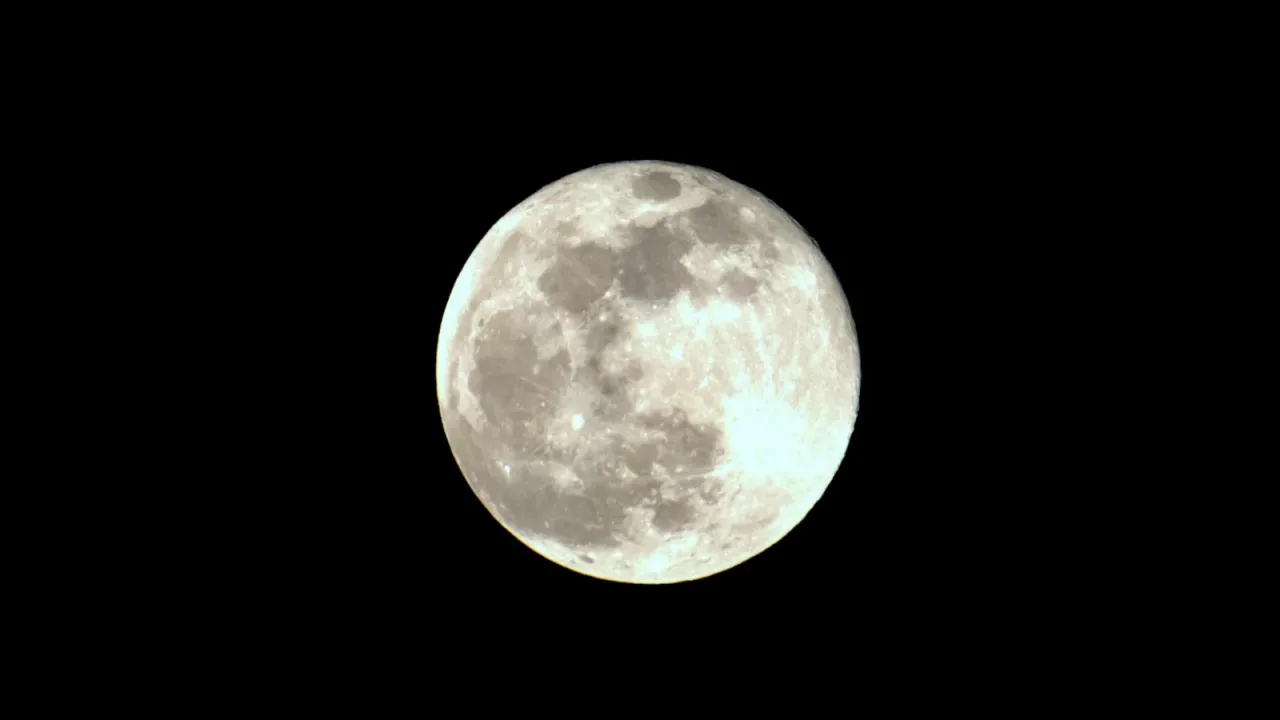
November Beaver Moon kicks off trio of supermoons and holiday king tides
Skywatchers can see November’s Beaver Moon rise on Tuesday evening, launching a series of three straight supermoons that could heighten coastal flooding through Thanksgiving.
Topic
Skywatchers can see November’s Beaver Moon rise on Tuesday evening, launching a series of three straight supermoons that could heighten coastal flooding through Thanksgiving.
Astronomers confirmed that a small asteroid roughly 6 feet wide has been orbiting Earth since April and is expected to leave in early December.
An Australian research team used a novel artificial intelligence technique to independently confirm the Event Horizon Telescope’s 2019 image of the black hole at the center…
NASA’s Voyager 1 spacecraft crossed a historic threshold Wednesday, reaching a distance that requires radio signals a full 24 hours to traverse each way.
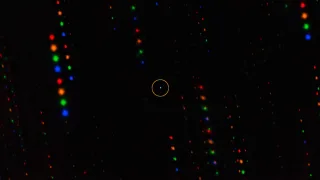
A small space object accelerating in unpredictable ways is too warm to hold buried ice, ruling out a leading explanation for its erratic movement.
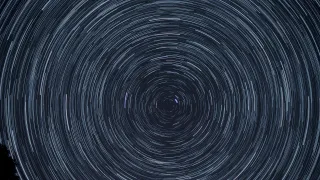
Skywatchers can look for the annual Leonid meteors late Monday into early Tuesday morning as Earth crosses a trail of debris left by comet Tempel-Tuttle.
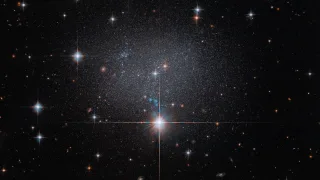
Astronomers analyzing data from NASA’s Hubble Space Telescope discovered small galaxies hold onto an average of only 11 percent of the oxygen created by their stars.

The 1.5-ton observatory reentered the atmosphere over Indonesia following a failed commercial rescue attempt, ending more than two decades of cosmic explosion studies.
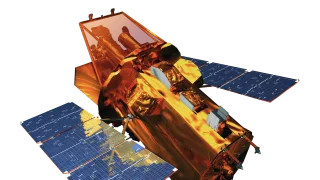
The storied Neil Gehrels Swift Observatory ended science operations after atmospheric drag degraded its orbit and a private robotic rescue mission failed to boost the spacecraft.
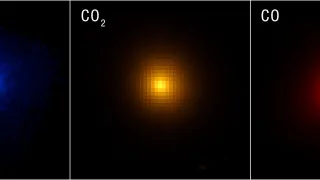
New telescope observations reveal the cosmic wanderer preserves ancient, deeply frozen chemistry that could be billions of years older than the sun.

Astronomers in Chile identified an icy world spanning up to 930 miles across that spent decades hidden against the dense background stars of the Milky Way.
Astronomers analyzing data from a new survey telescope in Chile have uncovered an icy trans-Neptunian world that could become the solar system’s sixth recognized dwarf planet.
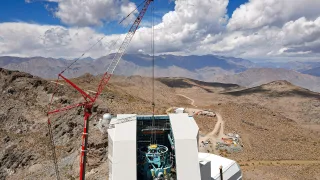
Astronomers analyzing data from the Vera C. Rubin Observatory have identified a massive icy object orbiting well beyond Neptune that could become the sixth recognized dwarf…

Scientists ran the Lumina simulation on an Oak Ridge supercomputer to trace how the cosmos evolved during its first two billion years.

October’s full moon reaches peak illumination early Monday, offering skywatchers an orange-tinted display paired with views of Saturn and the Pleiades star cluster.
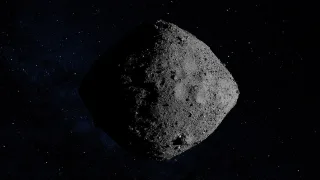
Laboratory analyses of pristine rocks collected by NASA’s OSIRIS-REx mission show the asteroid formed near the water-ice line and possesses deeply cracked boulders.
Skywatchers will have two prime opportunities to observe October’s full moon as it rises near Saturn and ushers in a series of upcoming supermoons.
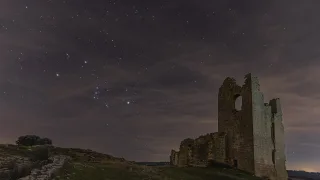
Skywatchers can see meteors from Halley’s comet early Thursday, though moonlight and stormy weather across parts of the country may obstruct the celestial view.
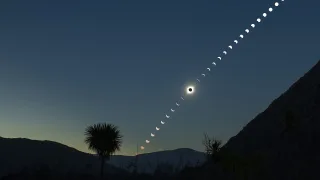
Skywatchers are making plans across southern Spain, Gibraltar and Egypt for the upcoming August 2027 total solar eclipse, which will offer unusually lengthy totality.
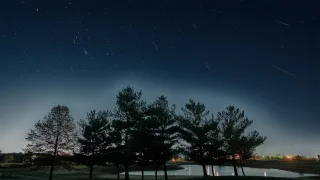
Stargazers can catch fast-moving shooting stars overnight Wednesday into Thursday as Earth crosses the ancient dust trail of Halley’s Comet.