WASHINGTON — In the closing days before the midterm elections, Democratic candidates and allied groups have poured tens of millions of dollars into political advertisements accusing Republican opponents of shielding pedophiles and blocking the public disclosure of Jeffrey Epstein records.
An analysis from CNN found that candidates and outside organizations have spent more than $35 million on advertisements connected to Epstein. A separate review by The Washington Post revealed that Democrats directed over $40 million toward Epstein-focused advertising across six key Senate contests alone. Data from the tracking firm AdImpact, cited by NBC News, indicates that more than 500 political commercials currently airing nationwide feature the words “pedophile” or “predator,” with roughly three-quarters funded by Democrats.
Disputes over procedural votes
Many of the commercials focus on procedural maneuvers rather than the final votes on legislation. Last year, Democrats and a small number of House Republicans attempted to force a floor vote on records related to Epstein using a discharge petition, an effort opposed at the time by Donald Trump. House Republicans largely followed Trump’s stance before he later backed the legislation under pressure from allies.
When the Epstein Files Transparency Act eventually received a floor vote, all but one House Republican voted in favor of passage. The Senate also later moved to approve releasing the records through unanimous consent, Vox reported. Nonetheless, campaign advertisements have focused on earlier Republican resistance to procedural measures.
In Iowa, Republican Senate candidate Ashley Hinson faced attacks alleging she declined to vote for disclosure to protect donors. Hinson released a direct-to-camera response ad, saying, “Of course I voted to release the Epstein files,” and accusing her Democratic rival, Josh Turek, of lying. While Hinson backed the final measure, she had declined to sign the earlier discharge petition.
In Colorado, commercials directed at Republican candidate Jeff Crank highlight his refusal to sign the petition. One advertisement features relatives of Virginia Giuffre, an Epstein abuse survivor who died by suicide last year, accusing Crank of covering up crimes. If you or someone you know is in crisis, call or text 988.
A spokesperson for Crank told The Washington Post that the commercial was intentionally vague, explaining that Crank insisted on withholding his support until he was confident that information identifying victims would be properly redacted.
Escalating claims and counterattacks
The messaging has expanded across multiple battlegrounds. In Georgia, ads against Republican Senate candidate Mike Collins assert that he voted against releasing records despite knowing the details of Epstein’s trafficking ring. In Florida, Democrat Gay Valimont attacked Republican Jimmy Patronis, alleging he labeled the inquiry a waste of time. Patronis had told a radio station that the matter was a “massive energy and time suck,” though he added he had “no problem getting everything all released.”
Republican candidates have pushed back by attempting to connect Democrats to Epstein associates. During a Georgia debate, Collins accused Democratic Sen. Jon Ossoff of accepting money from technology billionaire Reid Hoffman, who previously expressed regret over fundraising meetings with Epstein. In New Mexico, an outside group aired commercials attacking Democratic gubernatorial candidate Deb Haaland over a 2014 chartered flight arranged by an Epstein-owned company, though Haaland stated she had no knowledge of who owned the charter at the time.
House Democrats also unveiled a 50-page report this week alleging the Justice Department covered up aspects of Epstein’s ties to Trump, urging an independent investigation. The White House dismissed the report as “a desperate attempt by crazed Democrats to distract Americans.”
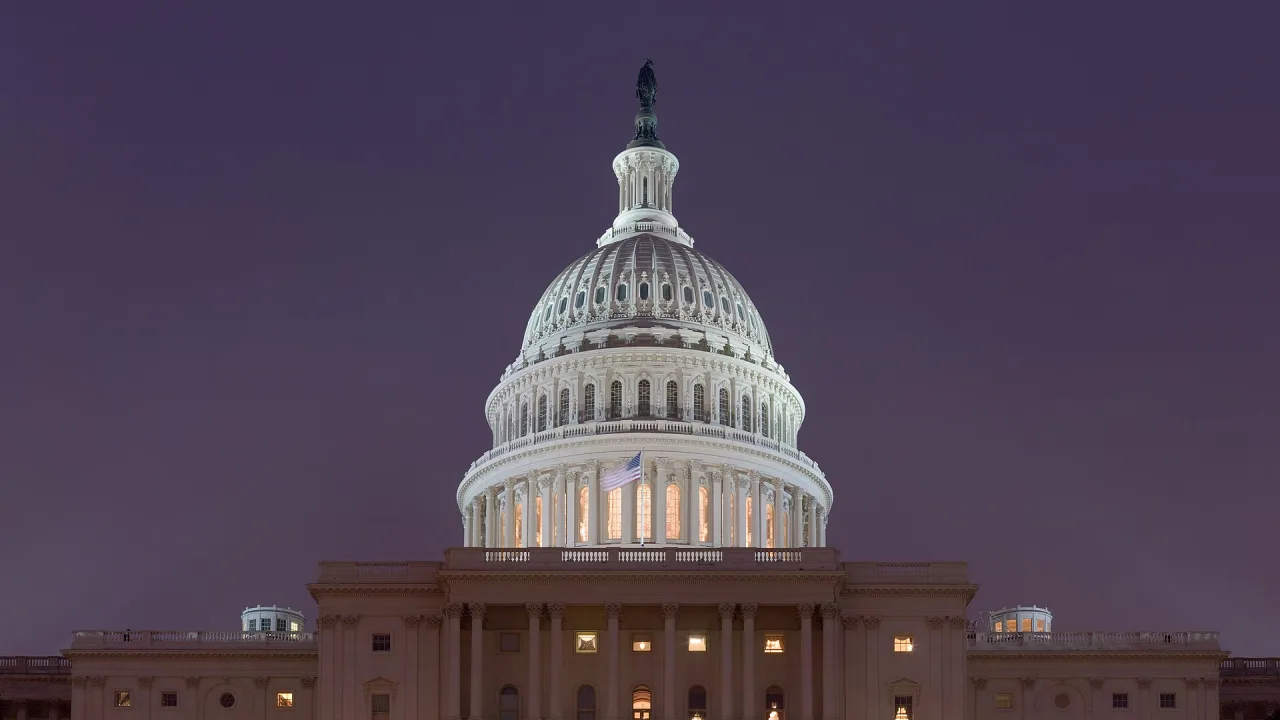
With polls opening Tuesday, control of the House and Senate remains in balance. If Democrats capture majorities on Capitol Hill, party leaders are expected to use subpoena authority to pursue further congressional inquiries into the records.