Qatari mediators conducted more than 12 hours of negotiations in Tehran in an urgent attempt to reopen direct diplomatic channels between the United States and Iran, according to reports Saturday, just days ahead of the U.S. midterm elections.
The diplomatic push follows months of conflict that began on Feb. 28 with joint U.S. and Israeli strikes on Iranian facilities. A short-lived ceasefire agreed to on June 17 collapsed after several weeks, leaving the region in a state of open confrontation. With the Nov. 3 midterm elections approaching, international mediators are racing to avert a fresh escalation, CNBC reported.
Mixed signals from Washington
The diplomatic efforts unfolded amid contradictory messages from Washington regarding the path forward. President Donald Trump told reporters on Friday that discussions were progressing and that the conflict is “going to end soon,” while emphasizing that he felt no immediate pressure on timing, according to Ynetnews. Trump also repeated his core demand: a definitive guarantee that Iran will never secure a nuclear weapon.
Simultaneously, however, news organizations reported that the Trump administration had cautioned regional partners to prepare for potential renewed hostilities. U.S. officials told Gulf allies to ready themselves for a brief, intense military campaign that could commence as early as Nov. 4, according to reporting cited by The Wall Street Journal and MS NOW. The Associated Press previously reported that Washington had advised Middle Eastern partners to prepare for retaliatory strikes on energy infrastructure, though diplomats noted no final strike decision had been authorized.
Diplomats traveling to Tehran delivered a letter sent by U.S. Vice President JD Vance to Iranian security chief Mohsen Rezaei, Al Jazeera reported. The communication reportedly outlined a structural framework for negotiations rather than specific peace stipulations, and Iranian officials viewed its respectful tone favorably, according to sources cited by the network.
Tehran issues stern warning
Despite diplomatic overtures, Iranian leadership maintained a defiant stance publicly. A statement released Saturday on the Telegram channel of Supreme Leader Mojtaba Khamenei warned that any new aggression from Washington or its allies would trigger severe blowback.
The post stated that “any level or type of threat must be met with an immediate, impactful, and geographically unrestricted response,” CNBC reported. Khamenei added that Iranian armed forces would ultimately set the terms and timeline should adversaries choose to strike again.
Meanwhile, reports by Saudi networks Al Arabiya and Al Hadath outlined an unconfirmed draft agreement circulating among negotiators. The alleged proposal envisions a seven-day timeline to reopen the vital Strait of Hormuz, reciprocal steps on nuclear safeguards and economic sanctions relief, and a potential monitoring role for China. Lebanese publication Al-Akhbar reported that while Tehran favored maritime reopening provisions, reservations remained over permitting inspections by the International Atomic Energy Agency before a formal declaration ending hostilities.
Rising friction on waterways
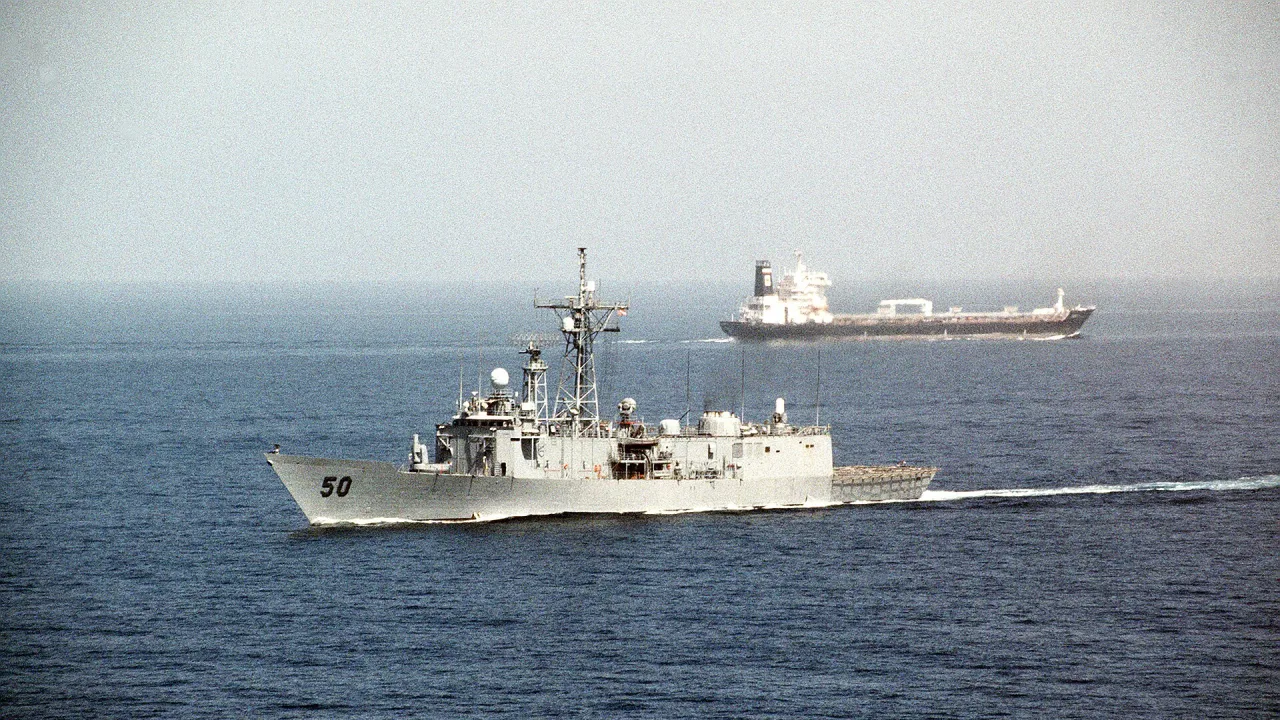
The diplomatic maneuvering occurs against a backdrop of mounting instability across Middle Eastern transit corridors. British monitoring agency UKMTO documented more than 30 maritime attacks in regional waters during October, marking the busiest month for naval incidents since the war began in March.
Iran’s Revolutionary Guard claimed multiple tankers caught fire Friday after hitting sea mines along unauthorized paths, while Oman evacuated 25 crew members from a burning Panama-flagged vessel in the strait. U.S. Central Command commander Adm. Brad Cooper maintained that Iranian naval power had been degraded and that southern escort corridors remained open.
Qatari mediators are expected to continue consultations in Doha on Saturday, with sources telling Al Jazeera that broader negotiations involving American officials could take place within the coming week in Qatar or Turkey.