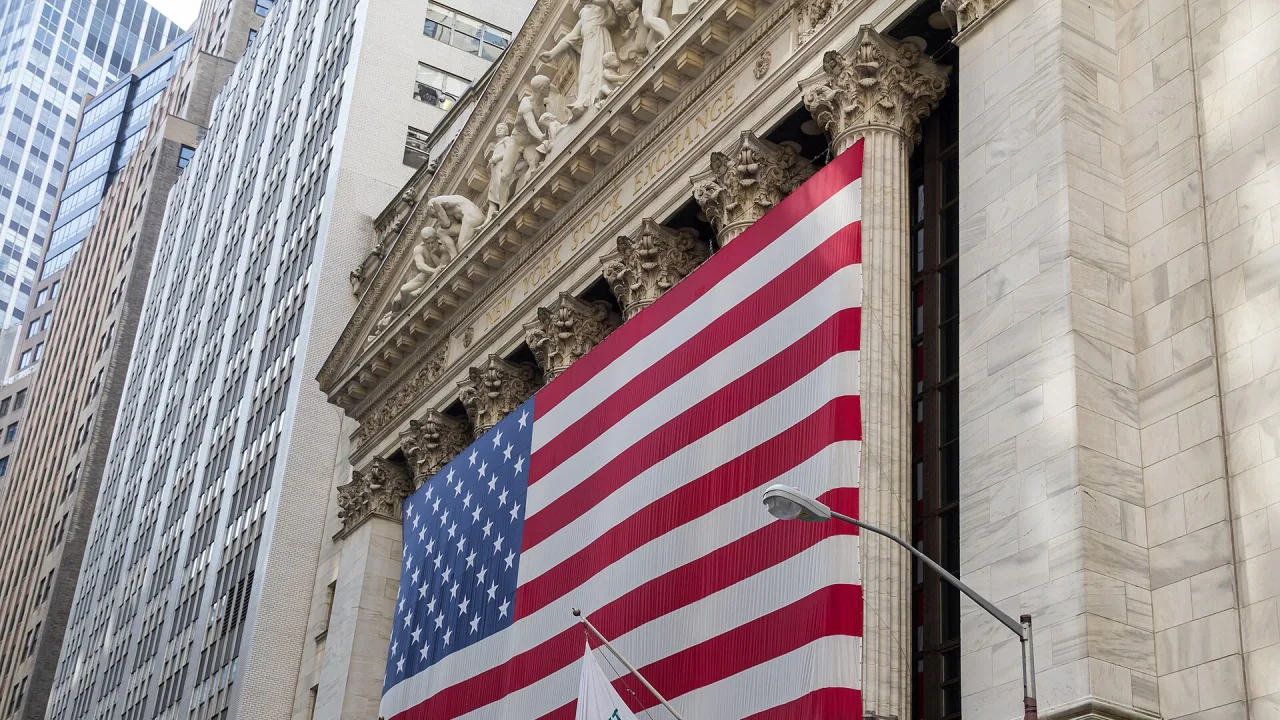
A dual shock rattled financial and digital asset markets this week, as an escalating sell-off in artificial intelligence investments collided with the largest cryptocurrency theft on record.
Technology shares tumbled Friday as corporate earnings reports reignited investor skepticism regarding massive spending on artificial intelligence infrastructure. That decline capped a painful month across Wall Street and followed a Thursday security breach at digital currency exchange Binance that affected roughly $6.3 billion in customer assets, CNBC reported.
Big Tech favorites stumble
The broader retreat in artificial intelligence investments has wiped out approximately $5 trillion in market value since Oct. 6, according to calculations by Yahoo Finance. That total included a single-day loss of about $1.6 trillion on Friday alone. Alphabet suffered the worst monthly performance in its history, while chipmaker Intel endured its steepest single-day percentage decline since 1974. The tech-heavy Nasdaq Composite posted its sharpest daily drop since June.
Nvidia and Alphabet, two of the market’s most widely recommended companies, each shed roughly $835 billion over that span, Yahoo Finance reported. Together, the two tech giants accounted for approximately one-third of the total value erased during the slide.
Michael Kantrowitz, chief investment strategist at Piper Sandler, wrote in a note to clients that the most favored stocks on Wall Street have trailed the least favored equities for the majority of 2026. Measured year over year, the underperformance represents the third-worst period in Piper Sandler data dating back to 1995, surpassed only by the deflation of the tech bubble in 2001 to 2002 and the aftermath of the 2008 financial crisis in 2010.
While Wall Street’s favorite holdings sank, the remaining 625 large U.S. companies tracked by Yahoo Finance gained approximately $1.3 trillion over the same timeframe. Gains in defensive and traditional market leaders such as Eli Lilly, Walmart and Exxon Mobil helped steady broader index benchmarks.
Historic theft tests crypto security
Simultaneously, confidence across cryptocurrency markets received a major blow after Thursday’s security incident on Binance’s offshore platform, CNBC reported. The $6.3 billion breach stands as the largest crypto theft in history. Earlier the same day, prediction exchange Polymarket briefly halted activity on its international system after an intruder compromised a third-party data supplier, siphoning at least $2.7 million from user wallets.
The breaches highlighted ongoing questions regarding the risks of keeping digital assets on centralized platforms. Tyler Moore, a cybersecurity professor at the University of Tulsa, told CNBC that depositors lack protections comparable to standard commercial banking, where the Federal Deposit Insurance Corporation covers deposits up to $250,000 per depositor at insured institutions.
“I think you should be very wary of leaving any significant amount of funds in an exchange… there are no built-in protections for when these inevitable hacks take place,” Moore told CNBC.
Both Binance and Polymarket pledged to make harmed customers whole, a response that some industry analysts interpreted as a sign of institutional resilience. Ido Ben-Natan, chief executive officer of cybersecurity firm Blockaid, told CNBC that exchange commitments to reimburse accounts should reassure traders, arguing that surviving increasingly sophisticated attacks will ultimately strengthen the sector.
What comes next
Domestic U.S. platforms avoided the security turmoil. The regulated U.S. divisions of Binance and Polymarket experienced no intrusions, nor did American platforms Coinbase and Robinhood, though shares of both publicly traded brokerages fell Friday amid broad market caution.
Looking ahead, cryptocurrency exchanges face the immediate operational challenge of reimbursing billions of dollars in lost funds and fortifying network defenses against emerging cyber threats. On Wall Street, investors will watch whether Big Tech can convert historic capital spending into actual earnings growth or whether market leadership will continue to broaden away from crowded AI trades.