An experimental weight-loss medication from Eli Lilly substantially reduced nighttime breathing interruptions in adults with obstructive sleep apnea, according to late-stage trial results published in the New England Journal of Medicine.
The drug, retatrutide, targets three different hunger-related hormone receptors: GLP-1, GIP and glucagon. In two Phase III clinical trials involving roughly 700 participants, weekly injections of the medication significantly improved sleep apnea severity alongside marked reductions in body weight, European Medical Journal reported.
Trial results show drop in breathing lapses
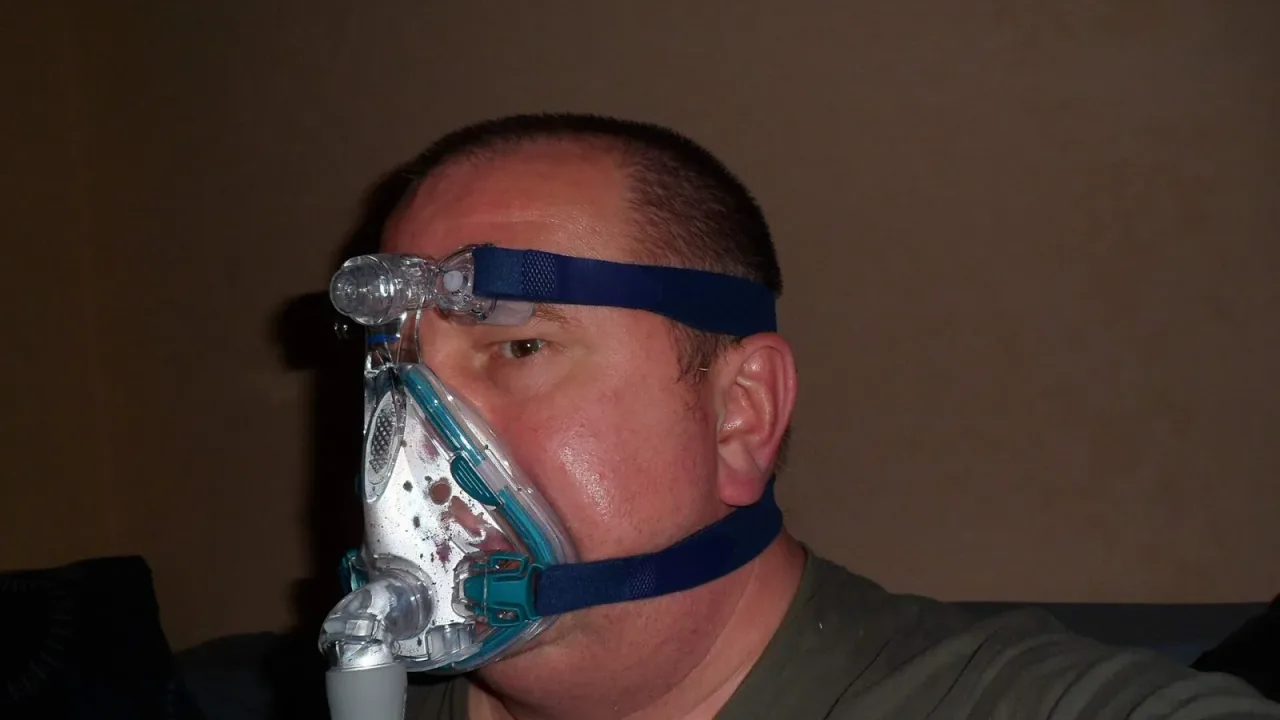
Obstructive sleep apnea, which affects an estimated 50 million Americans, occurs when throat muscles relax and physically block airways during rest. These episodes cause repeated pauses in breathing, known as apneas, or periods of shallow breathing, called hypopneas, lasting 10 seconds or longer.
Researchers evaluated retatrutide across two 80-week studies called TRIUMPH-1-OSA and TRIUMPH-2-OSA, according to findings cited by European Medical Journal. The first trial enrolled 243 adults with obesity or overweight who did not have type 2 diabetes. The second included 448 patients who had both conditions. All participants had moderate-to-severe obstructive sleep apnea and a body mass index of at least 27.
In the trial without diabetes patients, participants who received a 9-milligram dose of retatrutide experienced an average drop of 34.3 breathing disruptions per hour, compared with a decline of 9.9 events per hour among those given a placebo. Patients on the 12-milligram dose saw a reduction of 31.7 events per hour. Weight reductions in that study averaged between 12.5 percent and 22.2 percent for retatrutide recipients, compared to 4.8 percent for the placebo group.
More than half of the retatrutide participants in that trial experienced either full remission of their sleep apnea or had the condition downgraded to mild, Gizmodo reported. For many patients, the improvement eliminated the need for positive airway pressure machines, widely considered the standard medical treatment for the disorder.
Impact across patients with diabetes
Among participants with type 2 diabetes in the second trial, the benefits remained statistically significant, though slightly smaller. Those taking the 9-milligram and 12-milligram doses saw breathing disruptions fall by an average of 24.7 and 25.4 events per hour, respectively, compared to 10.3 per hour in the placebo group. Those participants achieved average weight losses ranging from 12.1 percent to 18.5 percent, versus 5.6 percent on placebo.
Across both clinical studies, gastrointestinal issues were the most frequently reported side effects among patients taking the drug, European Medical Journal reported.
The findings add to expanding evidence that incretin-mimicking therapies can address conditions beyond obesity and blood sugar regulation. In late 2024, the Food and Drug Administration approved Eli Lilly’s dual-hormone drug tirzepatide for treating obstructive sleep apnea. Other pharmaceutical developers are also pursuing pill-based alternatives for the sleep condition, according to Gizmodo.
Health experts note that excess weight accounts for a large share of sleep apnea cases, but roughly one-quarter of individuals with the condition are not overweight or obese, meaning weight-loss therapies would offer them limited utility. Retatrutide remains an investigational medication, with regulatory reviews and potential U.S. approvals expected in the coming year.