
Experimental electric comb fully regrows hair in balding mice, study finds
Researchers developed a bioelectronic comb that deploys electrical pulses and targeted genetic therapy to outperform standard hair treatments in animal trials.
Topic
Researchers developed a bioelectronic comb that deploys electrical pulses and targeted genetic therapy to outperform standard hair treatments in animal trials.

Researchers analyzing hundreds of thousands of cells found distinct cellular structures and gene patterns that may explain why colorectal tumors resist standard chemotherapy in younger adults.

Biological clock shifts, changing light reception, and altered daily routines explain why older adults often wake earlier, while research highlights the broad health impact of rest.

A comprehensive Cochrane analysis of 20 clinical trials found specialized office furniture and posture training offer little to no measurable health benefit for desk workers.

Clinical trials show Eli Lilly’s investigational triple-hormone injection significantly decreased nighttime breathing interruptions while driving major weight loss in hundreds of adult patients.

Researchers at the World Health Organization found that treatable and preventable pathogens contributed to roughly 2.3 million new cancer diagnoses worldwide in 2024.

Researchers developed algorithms that analyze facial features to estimate biological age and mortality risk, aiming to give oncologists an objective measure of patient frailty.

Federal surveillance data shows influenza spreading weeks ahead of schedule, driven by an H1N1 strain that tends to hit younger people harder.
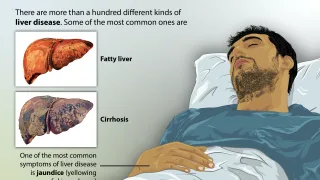
A long-term study of nearly 200,000 participants found that consuming food after dinner or bedtime was linked to higher rates of fatty liver disease and cirrhosis.

A major analysis of nearly 30,000 participants found that e-cigarettes helped more smokers quit traditional tobacco than standard nicotine replacement therapies like gums and patches.

Researchers analyzing data from more than 95,000 adults found that rapid eye movement sleep was associated with reduced chances of developing 83 conditions.