Global crude oil benchmarks traded above $116 a barrel heading into November as mounting shipping risks, damaged infrastructure and the threat of a widened conflict in the Middle East kept energy markets on edge.
International benchmark Brent crude stood above $117 a barrel at the close of last week, approaching its wartime peak set in March, CNBC reported. Despite reports that oil flows through the Strait of Hormuz have partly recovered from sharp drops early in the conflict, market analysts note that logistical strains, soaring transport expenses and persistent military strikes have erased any prospect of a quick price retreat.
Skyrocketing Shipping Costs and Shuttle Fleets
Maritime security in the Persian Gulf deteriorated substantially throughout October. Data from the International Maritime Organization indicated that at least 30 commercial vessels, primarily crude tankers, suffered attacks between Oct. 1 and Oct. 27, leaving at least 16 crew members injured. That figure doubled the 15 confirmed strikes recorded during September, according to CNBC.
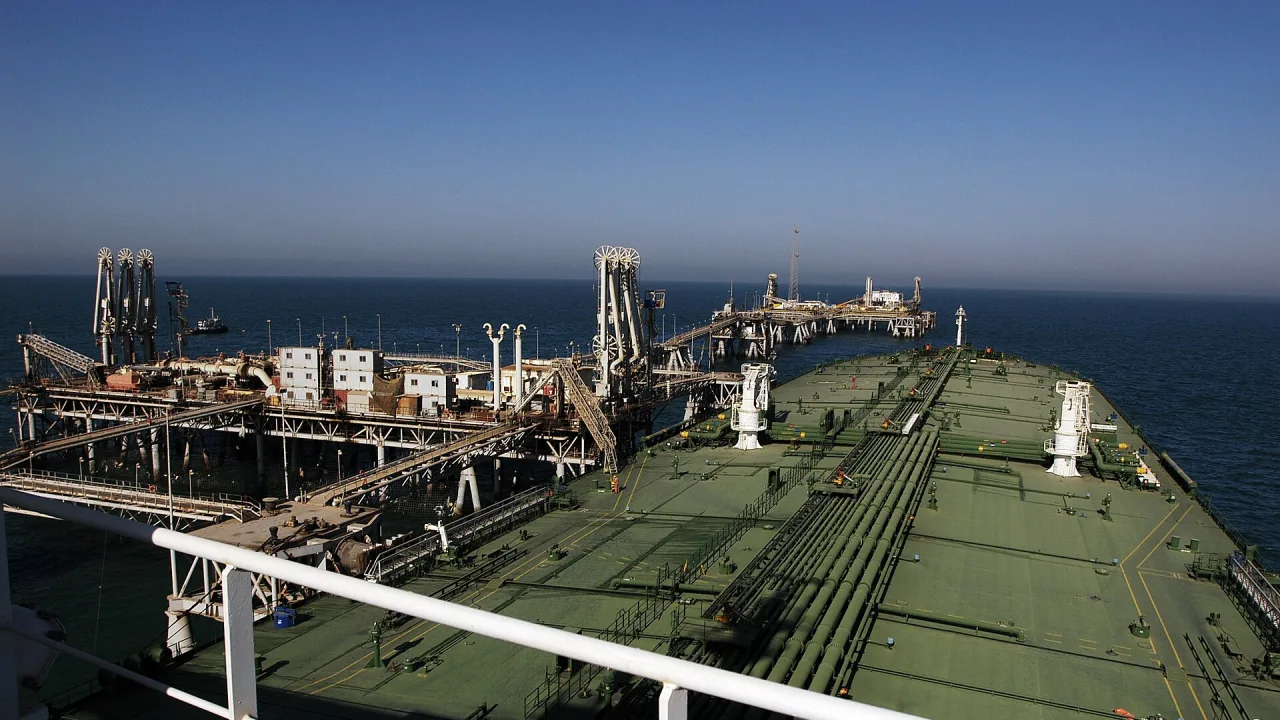
To navigate the danger, shipping operators established a complex shuttle operation. Vessels load crude at Persian Gulf terminals, navigate the Strait of Hormuz with tracking transponders disabled, and transfer cargo to waiting vessels in the Gulf of Oman for onward voyage to Asian refiners. While the shuttle system has sustained shipments, it has severely strained shipping capacity.
Mary Melton, a senior tanker analyst at London-based ship broker Braemar, told CNBC that approximately 20 percent of the global supertanker fleet is tied up maintaining the shuttle network. The crunch drove supertanker charter rates from $249,000 per day in early September to more than $900,000 per day in early October, pushing transport costs from $6.50 to roughly $21 per barrel.
Deep Infrastructure Scars
Beyond shipping routes, physical energy infrastructure across the region has suffered long-term damage during eight months of fighting, Foreign Policy reported. A recent investigation cited by the publication recorded at least 135 drone and missile attacks across 84 energy facilities in seven Gulf states since the war began on Feb. 28. Strikes disabled two liquefied natural gas production trains at Qatar’s Ras Laffan complex, taking offline roughly 17 percent of the nation’s export capacity, with state operator QatarEnergy projecting repairs will require three to five years.
Simultaneously, strikes by Yemen’s Houthi movement have targeted Saudi Arabia’s East-West pipeline and shut down the 400,000-barrel-a-day Jizan refinery for repairs in August, threatening bypass corridors designed to circumvent Hormuz.
While crude volumes passing through Hormuz averaged nearly 11.1 million barrels per day in October, according to tracking firm Kpler, shipments dropped to 7.3 million barrels per day during the final week of the month, more than 40 percent below prewar baselines.
Eyes on Washington and Tehran
Traders and officials now face mounting geopolitical uncertainty surrounding the Nov. 3 U.S. midterm elections. The Wall Street Journal reported that Washington advised several Gulf Arab partners to brace for a potential short, intensive military campaign against Iranian missile, drone and energy assets following the vote.
Iranian officials have vowed direct retaliation against Saudi energy facilities and regional data networks if attacks resume. At the same time, Qatari negotiators delivered a draft seven-day reciprocal de-escalation plan to Tehran on Oct. 25, though an immediate diplomatic breakthrough has not materialized.
International Energy Agency Executive Director Fatih Birol warned this week that disruptions will persist into 2027, noting he sees no credible path for energy markets to return quickly to their prewar balance.