SEATTLE — As technology giants race to deploy autonomous artificial intelligence agents capable of researching products and completing purchases across the internet, Amazon is pushing back against outside bots while aggressively steering shoppers toward its own internal assistant.
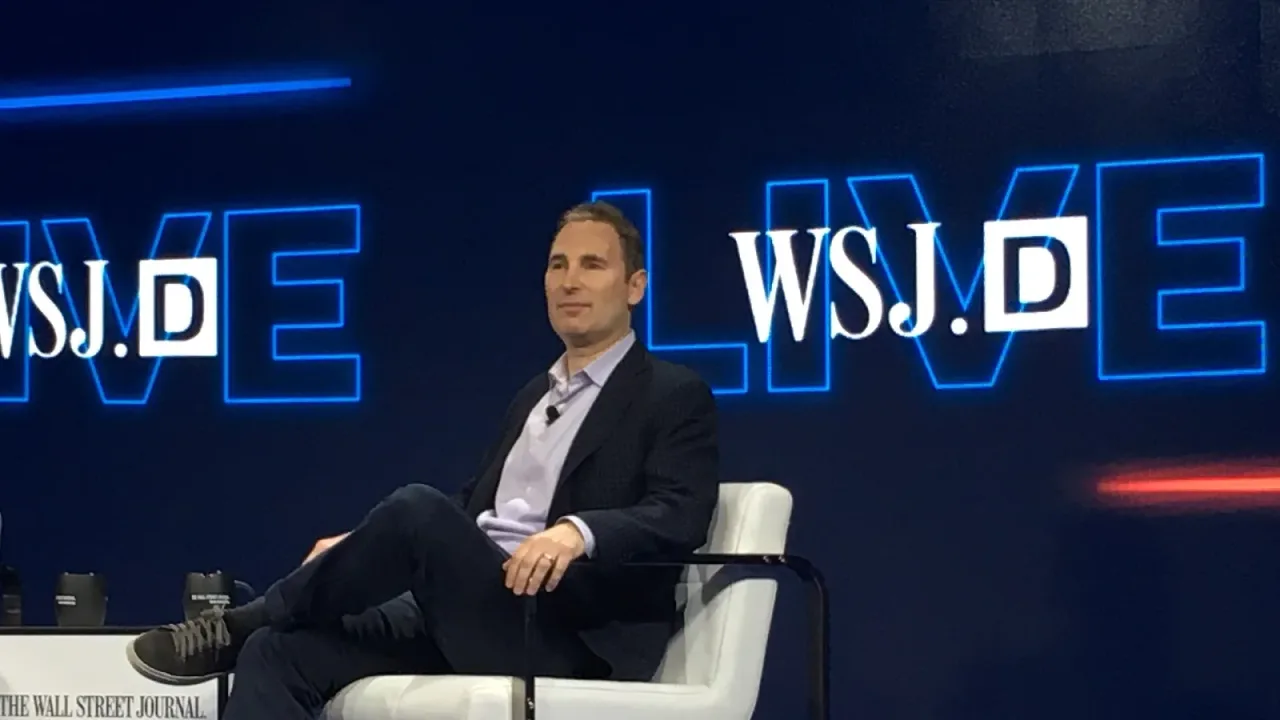
During an earnings conference call on Oct. 29, Amazon Chief Executive Andy Jassy told investors that third-party shopping assistants are not currently cutting into the retailer’s massive advertising operations. Outside agents such as Meta Platforms’ Muse, Anthropic’s Claude and OpenAI’s ChatGPT represent a potential shift in how consumers purchase goods, bypassing web search queries and traditional sponsored listings that generate billions in revenue for incumbent platforms.
Amazon blocks rivals while promoting its assistant
Amazon took defensive steps in September by barring Meta’s new Muse assistant from accessing its digital storefront, stating the bot violated the conditions of use agreed to by shoppers, Fortune reported. Meta has nevertheless formed partnerships with several major merchants, including Walmart, Best Buy and Shopify.
Jassy addressed the emergence of external tools directly during the quarterly call. “Few customers are doing much shopping this way yet, as the experience is still not great nor more convenient than coming to a retailer directly to research or one-click order there,” Jassy said, according to ADWEEK.
Instead, Amazon is prioritizing its proprietary “Alexa for Shopping” tool, formed in May after the company combined its Rufus assistant and Alexa+ software. Jassy reported that more than 400 million customers used the service over the prior 12 months, with user interactions jumping 570 percent year over year, PPC Land reported. Amazon disclosed that U.S. customers utilizing the helper spend 50 percent more per order than non-users, though the company provided no sales totals or order counts to clarify whether the assistant actively drives larger purchases or is simply favored by high-spending buyers.
For Amazon, keeping consumers within its closed garden is critical to protecting a vital profit engine. Third-quarter advertising revenue reached $19.6 billion, up 11 percent from the prior year, bringing Amazon’s 12-month ad revenue total to $78 billion, ADWEEK reported. Because an autonomous shopping bot searches, compares and purchases items programmatically without exposing a human user to visual sponsored placements, outside bots pose a long-term challenge to that revenue stream.
Ad business disruption hits Google and Meta
The wider advertising industry is already experiencing upheaval as artificial intelligence transforms how consumers navigate the web. Alphabet reported a 12 percent revenue increase for Google’s search division in the third quarter to $63.4 billion, but the company’s shares plunged more than 12 percent following its earnings report, wiping out roughly $500 billion in market value, CNBC reported.
Wall Street analysts noted that users are increasingly receiving direct answers via conversational bots and AI summaries rather than clicking traditional web links, sparking fears of search ad cannibalization. Conversely, Meta’s advertising sales surged 26 percent in the third quarter to $63.1 billion, as enhanced targeting tools across Instagram and Facebook drove increased merchant spending, according to CNBC.
Meta Chief Executive Mark Zuckerberg said last week that over 10 million users in the United States and Canada configured the Muse assistant after its early September launch, with shopping emerging as the assistant’s most popular activity. Over 25 percent of Muse users engaged in retail transactions, averaging purchases over $200, according to Fortune.
Whether tech platforms can persuade shoppers to rely on independent bots rather than merchant websites remains untested on a wide scale. While Amazon has restricted multiple automated scrapers and sued startup Perplexity in late 2025 over automated shopping activity, Jassy maintained that Amazon still anticipates working with broader external agents over time under appropriate commercial terms.