Crude oil prices dropped for a second straight session Tuesday as energy markets reacted to potential diplomatic efforts between the United States and Iran aimed at ending an eight-month conflict that has disrupted global supplies.
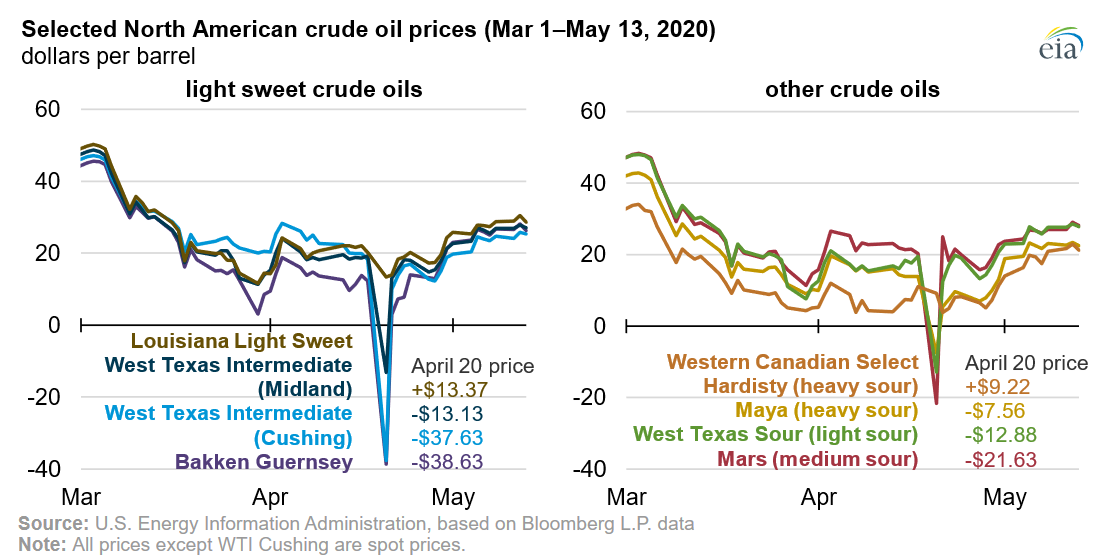
U.S. West Texas Intermediate futures lost 37 cents to settle at $96.09 a barrel after falling below $95 earlier in trading, CNBC reported. Brent crude, the global benchmark, dropped $1.17 to settle at $103.60 a barrel. The retreat followed a steep plunge on Monday, when oil tumbled more than 6.5 percent to reach its lowest price level in over two weeks, according to The Guardian.
Talks Advance Through Mediators
The market sell-off gained momentum after officials on both sides acknowledged back-channel diplomacy. Qatar’s foreign ministry confirmed Tuesday that a delegation held discussions in Tehran to prevent further military escalation and resolve the standoff, according to CNBC.
Iranian Foreign Minister Abbas Araghchi said discussions handled through intermediaries were “very intensive,” according to Iranian state media outlet IRNA. Araghchi added that Tehran has presented its terms and that progress rests on Washington’s approach. Reports on Monday also indicated that Iran’s supreme leader, Mojtaba Khamenei, granted authority to his government to pursue negotiations to halt the fighting, The Guardian reported.
In Washington, administration officials expressed cautious optimism about a diplomatic path. Vice President JD Vance told CNN that he and President Donald Trump “both feel really good about the prospect of potentially coming to a negotiated settlement.” Trump told reporters that Iranian officials want “to make a deal and that could happen,” CNBC reported. Days earlier during an Iowa campaign rally, Trump had struck a more confrontational posture, warning that Tehran would face “the hammer” if progress stalled.
Market Relief and Lingering Risks
Falling energy prices provided immediate relief to broader financial markets, lifting airline stocks and easing pressure on government bond yields, The Guardian reported. United Airlines shares climbed 7 percent in New York on Monday, while British Airways owner IAG advanced 4.2 percent in London.
The price drop also offers potential relief for American consumers. Crude oil accounts for more than half the retail price of gasoline, Fortune reported, making benchmark swings a primary driver of pump costs and broader inflation. Elevated energy prices had pushed crude up more than 10 percent in October amid market worries over military escalation surrounding the U.S. midterm elections, CNBC reported.
Despite diplomatic overtures, serious regional risks persist. Iranian Foreign Ministry spokesman Esmaeil Baqaei said Tuesday that Tehran rejects diplomacy rooted in coercion, according to IRNA. Meanwhile, U.S. officials told The Wall Street Journal that American forces conducted a strike on Iran’s Qeshm Island on Monday as part of a series of limited military operations designed to avoid triggering a wider war, CNBC reported.
Maritime security also remains fragile throughout crucial shipping corridors. The United Kingdom Maritime Trade Operations Centre reported at least four attacks on commercial vessels across the Persian Gulf, Strait of Hormuz and Gulf of Oman since the beginning of November, according to CNBC.
Whether the diplomatic momentum can lead to a formal cease-fire remains uncertain, as negotiators await further responses to proposals exchanged through Qatari mediators.