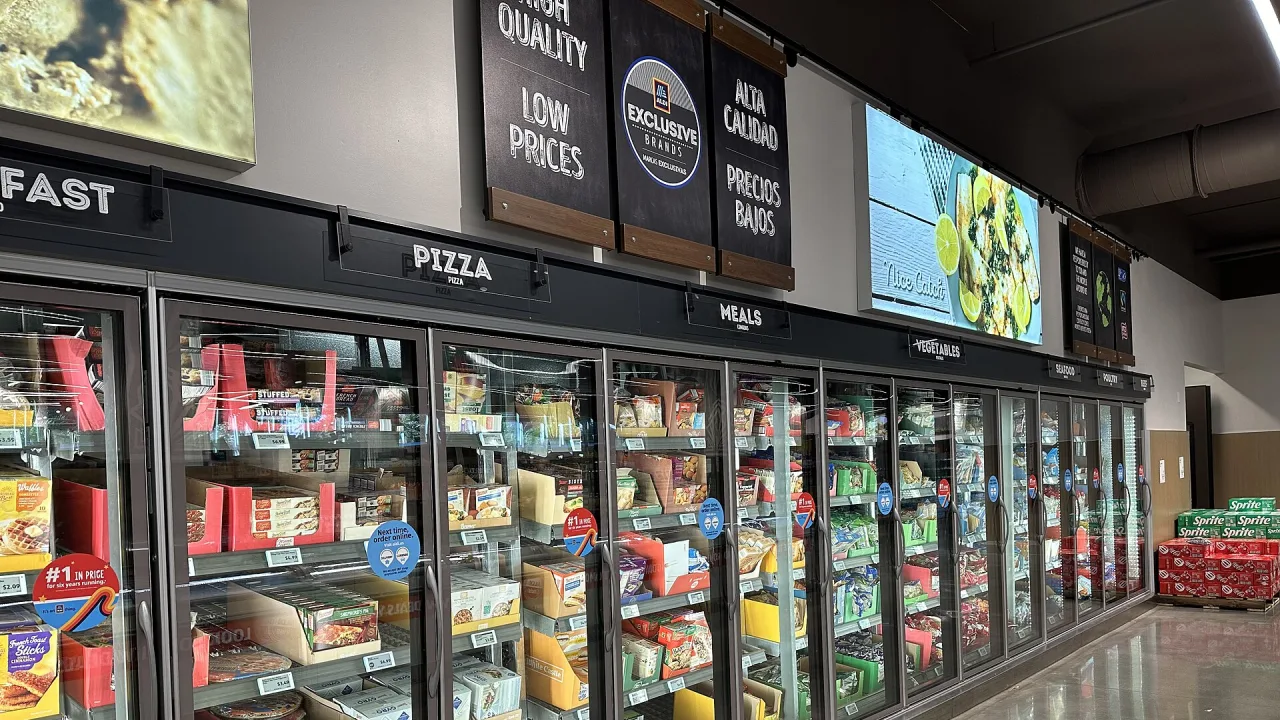
A sweeping cyberattack struck commercial refrigeration systems across at least seven European countries on Monday, tampering with temperature settings and spoiling large quantities of food at major grocery chains, according to corporate officials and media reports.
Supermarkets in Belgium, Sweden, Ireland, the Netherlands, Luxembourg, Estonia, and Finland reported that digital intruders infiltrated internet-connected cooling networks. In many cases, the perpetrators adjusted settings to defrost modes or raised internal temperatures up to 50 degrees Celsius (122 degrees Fahrenheit), turning industrial chillers into heaters overnight.
Chains scramble to discard spoiled goods
The disruption hit several prominent retail brands, including Delhaize, Carrefour, SuperValu, and Swedish grocers ICA and Coop. In Belgium and Luxembourg, about 40 Delhaize locations experienced interference, the BBC reported, while Belgian retailer Carrefour told ABC News that 15 of its 700 stores were affected, primarily in their freezer units.
In Ireland, food wholesaler Musgrave confirmed that 13 SuperValu branches dealt with the intrusion, prompting workers to pull vulnerable chilled and frozen items from display cases. Retailers in southern Sweden reported comparable damage. An ICA grocery branch in the town of Sjöbo announced that its cooling units had been set to 122 degrees Fahrenheit overnight, requiring the disposal of affected inventory, according to NBC News.
Stephan Moelans, chief executive of Belgian refrigeration firm Sabcobel, told the Belga news agency that hackers activated the evaporators’ defrost cycles to heat the units.
Known vulnerabilities and internet exposure
Many modern grocers link cooling equipment to the internet to allow remote technical diagnostics and automated energy management. Several affected companies traced the issue to hardware produced by Danish manufacturer Danfoss, according to reports from Reuters and Dutch broadcaster NOS.
Security specialists warned that basic operational controls were left unguarded. Danfoss systems had also been targeted during a similar incident in France last month, where attackers raised temperatures at hundreds of stores. Cybersecurity firm Claroty had cautioned in August that certain refrigeration models faced remote hijacking risks, TechCrunch reported.
Patrick Lamplmair, chief technology officer at cybersecurity company Tributech, told Gizmodo that known vulnerabilities remained unpatched across thousands of internet-exposed controllers following the French incidents. Lamplmair pointed out that commercial systems should contain hard limits to block catastrophic manual inputs, adding that a freezer should never accept a command to heat to 50 degrees Celsius regardless of the source.
Inquiries underway as culprits remain unknown
European authorities said official inquiries are ongoing, but no group has claimed responsibility. Katrien Eggers, a spokesperson for Belgium’s Center for Cybersecurity, told Reuters that identifying the actors may prove difficult, noting that artificial intelligence increasingly assists attackers in finding and exploiting commercial infrastructure weaknesses.
The incident also mirrors an August wave of digital attacks on refrigeration systems at U.S. military bases, where commissaries across multiple states suffered cooling failures that the Pentagon continues to investigate, according to Reuters.
Supermarket operators across Europe said they are auditing connected operational technology and applying software updates. However, the full financial toll from discarded stock and emergency equipment repairs has not yet been determined, and officials have not announced any formal suspects.