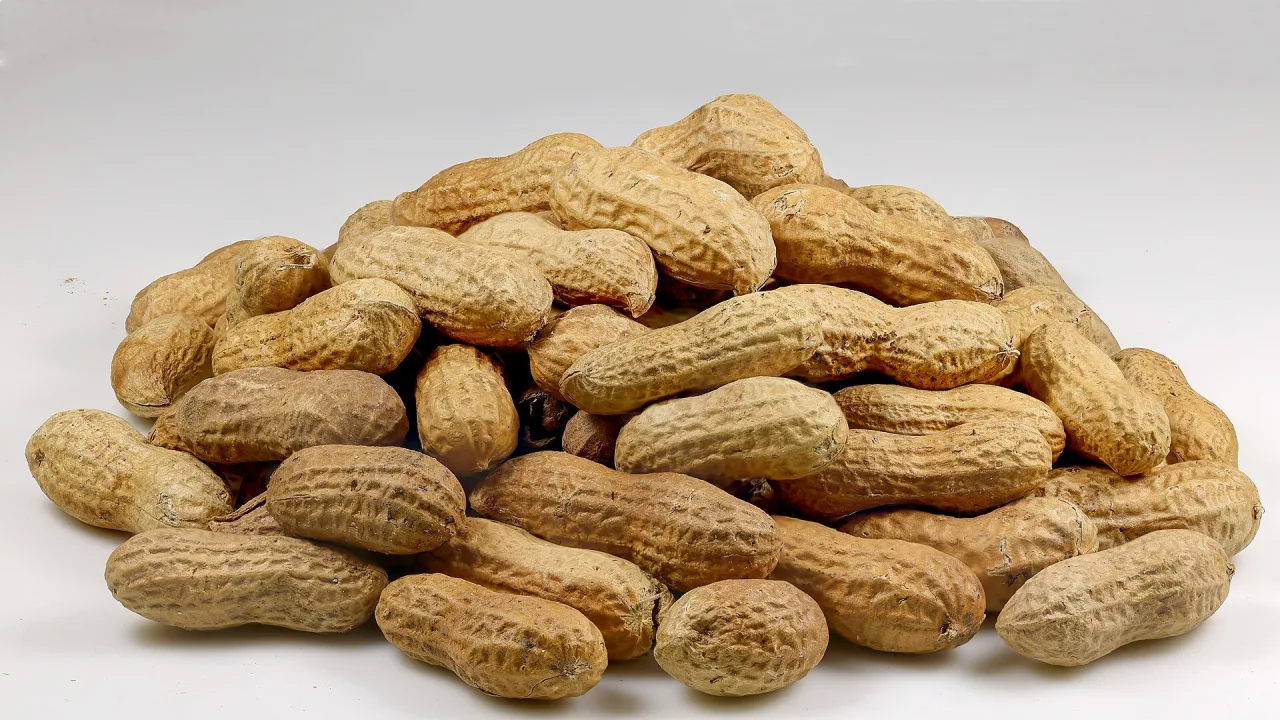
Consuming two servings of roasted peanuts every day could help sustain brain function in older adults by improving how key memory networks react to insulin, according to a clinical trial published in the journal Food & Function.
Researchers at the Maastricht University Medical Center in the Netherlands studied 31 healthy men and women aged 60 to 75 to investigate how routine peanut consumption affects cognitive aging. Over a 16-week period, volunteers incorporated 60 grams—roughly two ounces or two standard servings—of unsalted, skin-roasted peanuts into their normal diet. Scientists then compared those outcomes to an equivalent 16-week timeframe during which the participants abstained from peanuts entirely.
How insulin influences the brain
Although widely known for balancing glucose in the bloodstream, insulin also acts as an essential signaling molecule within the central nervous system. It facilitates learning, supports neural communication and promotes the maintenance of nerve cells. As individuals grow older, however, brain tissue often loses sensitivity to insulin, a physiological shift that researchers link to age-related mental decline.
To evaluate these neural dynamics, investigators administered insulin through the nasal passages and utilized an advanced imaging method called arterial spin labeling magnetic resonance imaging, Euronews reported. This technique allowed researchers to monitor regional cerebral blood flow throughout specific compartments of the brain.
Brain scans conducted after the 16-week peanut regimen revealed heightened insulin responsiveness across a collection of structures located in the brain’s right hemisphere. The affected regions included portions of the hippocampus, the lingual gyrus, the parahippocampal gyrus and the posterior cingulate gyrus, all of which play key roles in organizing and retrieving memories.
“As people age, the brain may become less responsive to insulin, which has been linked to age-related cognitive decline,” senior study author Dr. Peter Joris told SciTechDaily, noting that enhanced responsiveness in these specialized areas could explain the nutritional benefits observed in older adults.
Nutrients linked to vascular health
The latest trial expands upon prior research conducted by the same Dutch investigative team and published in 2025 in the journal Clinical Nutrition. That earlier project showed that 16 weeks of regular peanut intake generated a 3.6 percent increase in total blood flow across the brain alongside a 5.8 percent gain in verbal memory performance.
Scientists point out that peanuts, which are botanically legumes rather than true tree nuts, pack a diverse nutritional profile. They supply healthy fats, dietary fiber, antioxidants and plant-based protein. Peanuts are also rich in L-arginine, an amino acid the body relies on to manufacture nitric oxide, a compound that helps dilate blood vessels and regulate cerebral circulation.
“Multiple nutrients present in peanuts, including unsaturated fats, dietary fiber, vitamins and minerals, and bioactive phytochemicals, could potentially contribute to the observed brain benefits,” Joris said, according to Science Daily.
Limitations and what comes next
Despite the encouraging neurological indicators, experts emphasize that the findings do not demonstrate that snacking on peanuts can prevent dementia or halt the development of Alzheimer’s disease. Euronews reported that because the trial tracked only 31 healthy participants, broader conclusions regarding long-term clinical protection remain unproven.
Funding for the research came from The Peanut Institute Foundation. Study authors confirmed that the industry organization played no role in designing the trial, gathering data, interpreting the findings or writing the scientific manuscript.
Researchers stated that future studies will need to follow much larger groups of older adults across multiple years to determine whether improved insulin responsiveness translates into lasting protection against cognitive impairment.