The death of Southern Nazarene University sophomore safety Tyler Ulrich on Thursday has cast a somber shadow over collegiate athletics, bringing the stark reality of severe in-game injuries back into national focus. Ulrich, a 21-year-old defensive starter from Azle, Texas, passed away five days after sustaining what university officials described as a traumatic injury during a contest against Ouachita Baptist University in Arkadelphia, Arkansas.
Catastrophic trauma remains an inherent and feared risk in contact sports, but fatalities resulting directly from game action are rare. When such incidents occur, they reverberate well beyond the athletic field, prompting immediate grief, program suspensions and renewed scrutiny regarding safety protocols and emergency response times.
A Campus Paralyzed by Grief
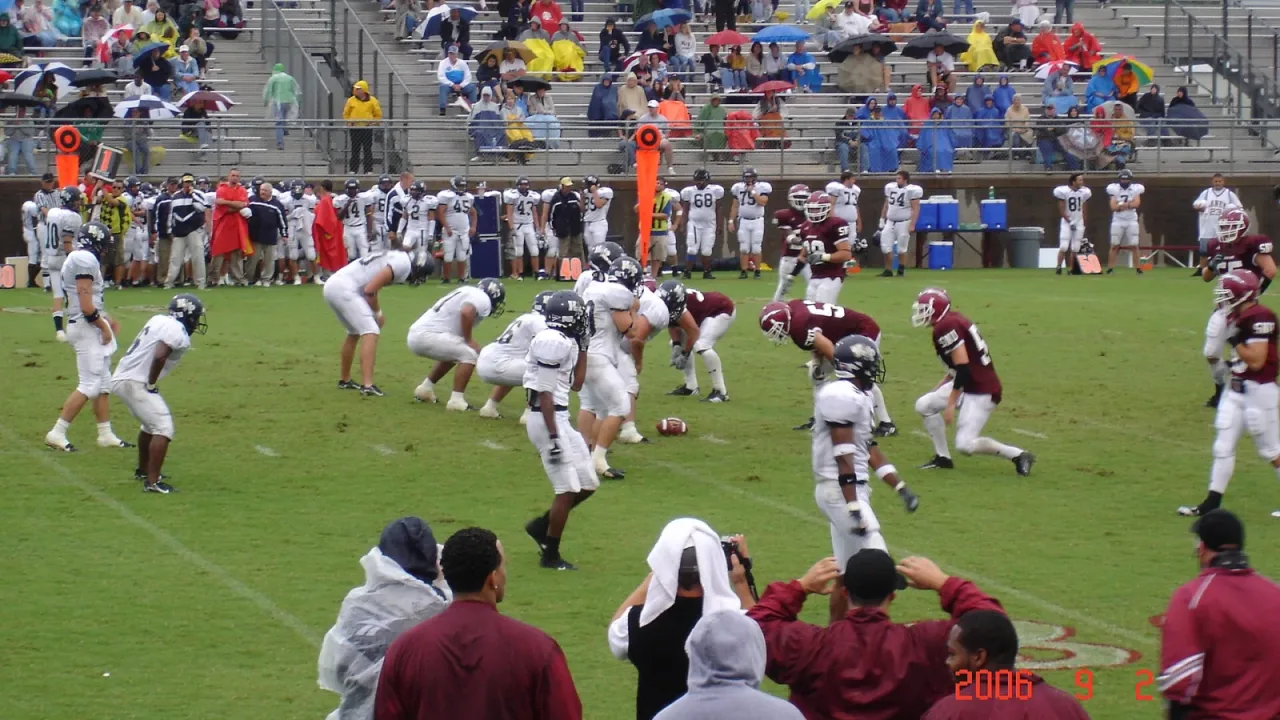
For Southern Nazarene, a small Division II institution in Bethany, Oklahoma, the tragedy has deeply shaken the university community. According to reports from the Associated Press and ESPN, the injury occurred during an Oct. 10 road matchup that was halted for an extended period—lasting between 45 minutes and nearly an hour—while medical personnel treated Ulrich on the turf before transporting him to a medical facility.
SNU President Keith Newman noted in a statement that Ulrich remained hospitalized throughout the week, continually attended by family, coaches and teammates before his death on Thursday morning. The school held a campuswide prayer chapel earlier in the week and promptly arranged counseling services through its Renew Counseling Center and campus pastoral staff to help students process the shock.
“This loss is deeply felt across our campus,” SNU Athletics announced in a public statement cited by multiple outlets, requesting prayers for his relatives, teammates and loved ones.
The Weight on Division II Athletics
Unlike high-profile Division I programs that command substantial national media attention, Division II programs typically operate within close-knit regional conferences where athletes, coaches and campus staff interact daily. Ulrich was an established contributor for the Crimson Storm, having started 16 of the 20 collegiate contests he played over three years, according to figures reported by the Associated Press.
Discrepancies in athletic records highlight minor differences across outlets: ESPN and the AP reported that Ulrich had registered 36 tackles to rank third on the squad this season, while Yahoo Sports recorded his total at 39 tackles. Whatever the precise statistic, head coach Dustin Hada remembered Ulrich publicly as an ultimate model of quiet strength, loyalty, effort and faith.
In the wake of the loss, Southern Nazarene canceled its scheduled Saturday road game against Southwestern Oklahoma State University, effectively pausing its season to allow players and staff to mourn.
Unanswered Questions and Community Support
While the school confirmed the injury was traumatic, administrators did not publicly disclose the specific medical diagnosis or clinical cause of death, according to coverage from The Oklahoman and the Associated Press. However, Yahoo Sports reported that Ulrich’s father, Mark Ulrich, shared on Facebook earlier Thursday that his son had suffered a head injury during the game. His father subsequently wrote that Tyler died Thursday morning at 11:13 a.m.
As the family prepares for funeral arrangements, support has poured in from across the region. A GoFundMe online campaign established to assist the Ulrich household raised nearly $14,000 by Thursday afternoon, Yahoo Sports reported.
What happens next regarding the Crimson Storm’s remaining schedule and future athletic events has not been announced by school leaders, as the university prioritizes emotional care for grieving students and examines the circumstances surrounding the sudden loss of an active student-athlete.