FARMINGTON, N.M. — Severe flash flooding surged across the Four Corners region on Friday, forcing emergency crews into boats and helicopters to pluck residents from rooftops and swamped vehicles as rivers reached levels not seen in decades.
The deluge swept across southwestern Colorado, northwestern New Mexico, southeastern Utah and northern Arizona, following days of turbulent weather that included high winds, hail and tornadoes. With ground already saturated by weeks of wet weather, rapid runoff quickly overwhelmed riverbanks and knocked out critical local infrastructure.
Dangerous rescues across New Mexico
In New Mexico’s San Juan County, National Guard crews and local deputies deployed amphibious vehicles, watercraft and aircraft to pull stranded residents to safety. Water levels rose swiftly overnight into Friday, reaching several feet inside low-lying residences along the San Juan and Animas rivers.
Devin Neeley, a spokesperson for San Juan County emergency management, said rescue crews were taking people off rooftops and extracting them from inundated homes. Neeley noted that while skies had cleared above parts of the county by Friday afternoon, river levels continued to swell beyond predicted crests.
In Farmington, the largest municipality in the Four Corners area, officials instructed about 600 households to evacuate and sealed off areas bordering the San Juan River. Farmington Police Chief Steve Hebbe stressed the severity of the surge during a media briefing, warning that the event was unprecedented in recent memory and urging the public not to take risks around high waters.
Local television station KOAT reported that emergency responders executed at least 60 rescues between Farmington and Bloomfield starting Thursday afternoon, including the airlifting of an infant suffering medical distress.
Colorado infrastructure and communities battered
To the north in Colorado, Gov. Jared Polis issued disaster emergency declarations covering 11 counties and dispatched the National Guard to assist emergency operations. Polis told The Colorado Sun that about 1,000 families had evacuated as waters invaded residential areas.
In Archuleta County, Sheriff Mike Le Roux described widespread devastation to public and private infrastructure, calling the sheer volume of water unprecedented. Before midday Friday, a state helicopter crew worked to hoist two adults and three dogs stranded in a partially submerged motor home surrounded by floodwaters. Local authorities reported that water levels along the San Juan River were roughly 3 feet higher than those seen during a major flood a year earlier.
Flooding penetrated several communities in the San Juan Mountains. The Colorado Sun reported that interior floodwaters reached up to 7 feet in homes along the Conejos River, while residences around South Fork saw water rise 4 to 5 feet. In South Fork, a bridge over Forest Service Road 380 was reported missing, and state transportation officials recorded a road washout along Highway 550 near Silverton.
Damage spans Utah and tribal lands
In southwestern Utah, the city of Hurricane declared a state of emergency Thursday after reddish-brown floodwaters swamped roughly 80 homes and 50 recreational vehicles. Evacuation orders were issued for the Willow Wind RV park, where residents guided horses through water and a shipping container drifted along a street.
Tribal communities were also severely affected. Hopi Tribe leadership in Arizona declared a state of emergency Thursday as runoff damaged roadways, bridges and structures. On the Navajo Nation, police officers rescued 30 people across seven families from inundated homes on Thursday, according to NPR.
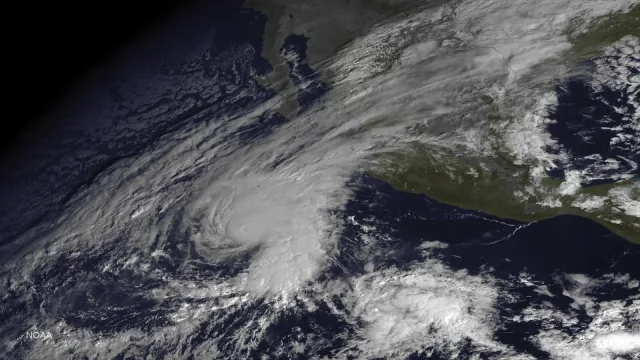
Meteorologists attributed the extreme rainfall to a slow-moving low-pressure system fueled by the remnants of Pacific Hurricane Trudy. Kris Sanders, a National Weather Service meteorologist, stated that higher elevations in the San Juan Mountains recorded up to six inches of rain.
While officials had not recorded any fatalities as of Friday afternoon, forecasters warned that additional rainfall is expected over the weekend, keeping already waterlogged communities on high alert for additional crests and mudslides.