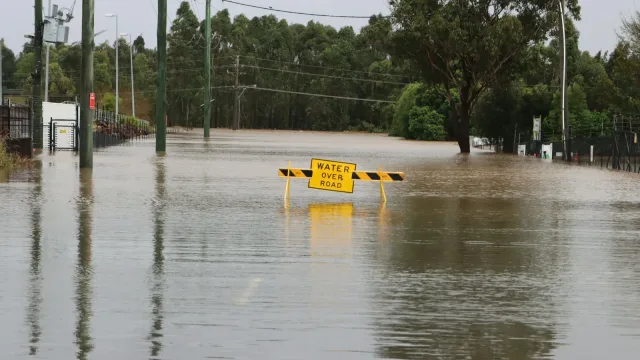
The National Weather Service in San Francisco issued an updated flood warning for Alameda and Contra Costa counties on Wednesday afternoon as substantial rainfall created hazardous conditions across the region. Weather forecasters released the update at 4:27 p.m., keeping the alert active until 6:45 p.m. The agency warned that excessive rainfall was causing flooding in urban areas, small streams, creeks, rivers, and low-lying locations throughout both counties. When weather conditions prompt a flash flood warning or flood warning, emergency officials stress that dangerous flooding is either imminent or already taking place.
Emergency alert systems were activated across the region, sending Wireless Emergency Alerts directly to mobile phones to notify residents of severe hazards. Local officials advised community members to monitor official social media channels and register for county notification systems to receive real-time updates. Municipalities across the Bay Area also directed residents to designated distribution sites for sandbags to help protect homes and properties from advancing water.
Understanding Weather Alerts and Flood Preparation
The National Weather Service distinguishes between several types of weather alerts to help the public gauge severity. A flood watch indicates that atmospheric conditions are favorable for flooding, though it does not guarantee high water will occur. A flood advisory is issued when flooding is expected to cause significant inconvenience but remains below the threshold of a full warning. In contrast, both flood warnings and flash flood warnings demand immediate action, as flash floods represent sudden, violent surges of water that can develop in minutes to hours, even in places not currently receiving rain.
Forecasters emphasized that stream banks and drainage culverts become structurally unstable during intense downpours. Officials instructed residents to stay away from culverts and drainage ditches where swift currents pose extreme danger. According to the NWS, as little as six inches of fast-moving water can knock a person off their feet, while 12 inches of flowing water can sweep away most passenger vehicles.
For people in flood-prone locations or low-lying campsites, officials advise relocating immediately to higher ground. If local authorities issue an evacuation order, residents should comply promptly after locking their homes. When time permits, property owners should disconnect electrical appliances and utilities to prevent fires or electrical shocks. Residents must also avoid flooded basements where outlets are submerged and evacuate immediately if they hear crackling, popping, or buzzing sounds.
Driving Risks and Roadway Safety Guidance
Driving during heavy rain carries significant risks, with weather authorities noting that most flood-related fatalities occur inside vehicles. Emergency managers urge drivers to follow the slogan “turn around, don’t drown” whenever encountering standing or moving water on roadways. Pavement surfaces are especially slick during the first 30 minutes of rainfall as water mixes with accumulated oil and grime.
To navigate wet roads safely, drivers are advised to reduce speed gradually and refrain from sudden braking to prevent skidding. Safety guidelines recommend doubling the standard two-second following distance to four seconds to account for reduced tire traction. Drivers should also stick to middle lanes when possible, as rainwater tends to pool in outer lanes.
Visibility remains another major concern during heavy rain. Drivers should turn on headlights and check blind spots frequently, as rain-streaked windows can hide nearby vehicles. Travelers should also maintain a safe distance from large trucks and buses that generate heavy tire spray. The NWS requested that residents report any observed flooding to local emergency services or law enforcement as soon as it is safe to do so.