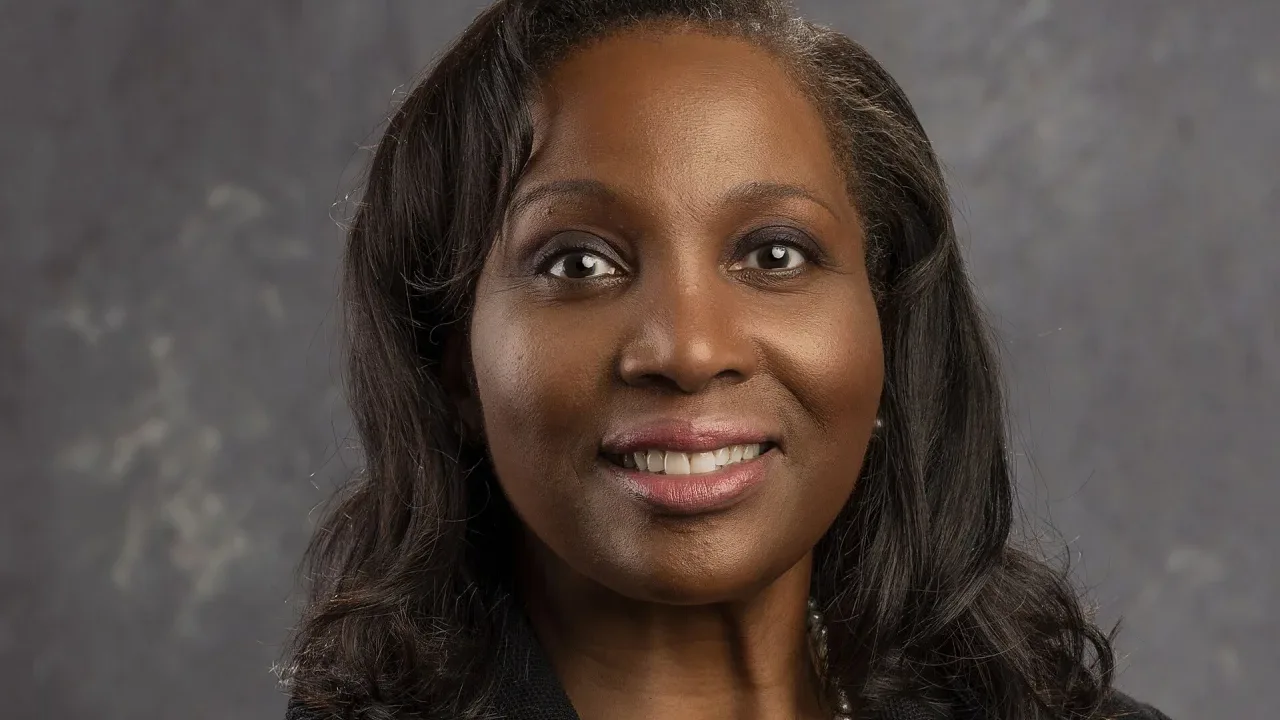
WASHINGTON — Federal Reserve Governor Lisa Cook will not attend a planned White House hearing on whether she should be removed from office unless changes are made to what her attorney described as an unfair proceeding, according to a letter sent to the administration.
Abbe David Lowell, an attorney representing Cook, informed White House Counsel William Scharf in a letter released Tuesday that the three-member committee convened by the administration appears structured to yield a predetermined outcome. President Donald Trump has sought for more than a year to fire Cook over allegations of mortgage fraud dating back to 2021, before her appointment to the central bank. Cook has repeatedly denied the allegations and has not been charged with any crime.
The White House set a Dec. 14 hearing date to consider whether grounds exist to remove Cook. Under the Federal Reserve Act, the president can only dismiss a sitting Fed governor “for cause,” a standard that typically requires evidence of serious misconduct or dereliction of duty.
Objections to the White House Panel
In the letter, Lowell argued that Cook has no legal duty to take part in an administrative process that jeopardizes the central bank’s operational independence. The attorney raised specific concerns about the hearing’s structure and panel membership, including:
- The inclusion of Kevin Hassett, Trump’s top economic adviser, on the panel. Lowell asserted Hassett has already prejudged the matter and is not competent to serve on a fact-finding committee.
- An asymmetric schedule that requires Cook to produce records immediately while allowing the White House to withhold its evidence until seven days before the proceeding.
- The potential involvement of Department of Justice personnel in questioning Cook, rather than questions being conducted directly by the designated committee members.
Lowell wrote that the current committee format functions as “a facade designed to obscure a predetermined decision” or to generate grounds for her dismissal if she chooses not to appear. However, he noted that Cook remains willing to participate if the administration establishes an unbiased panel with balanced procedures.
Legal Battle and Fed Independence
The dispute stems from a broader legal battle over presidential authority regarding the central bank. The Supreme Court ruled in June that Trump cannot dismiss a Fed governor at will, emphasizing that maintaining both actual and perceived central bank independence is essential. However, the high court noted in a footnote that the administration could attempt to remove a governor for cause if provided adequate notice and an opportunity to respond.
White House officials established the three-member inquiry panel to meet those procedural requirements. Alongside Hassett, the panel includes Andrea Lucas, whom Trump named to lead the Equal Employment Opportunity Commission, and Keith Sonderling, Trump’s nominee for labor secretary.
Scharf rejected claims of bias in previous correspondence, asserting that the administration is granting Cook a meaningful venue to address the charges and that the president possesses clear legal authority to remove governors for cause. White House officials have warned that the panel reserves the right to draw adverse conclusions should Cook refuse to participate.
What Lies Ahead
It remains uncertain whether the White House will modify the panel’s composition or rules prior to the scheduled Dec. 14 date, or proceed with the hearing in Cook’s absence. Federal Reserve Chair Kevin Warsh stated at an Oct. 28 news conference that the central bank itself is not involved in the White House proceedings.