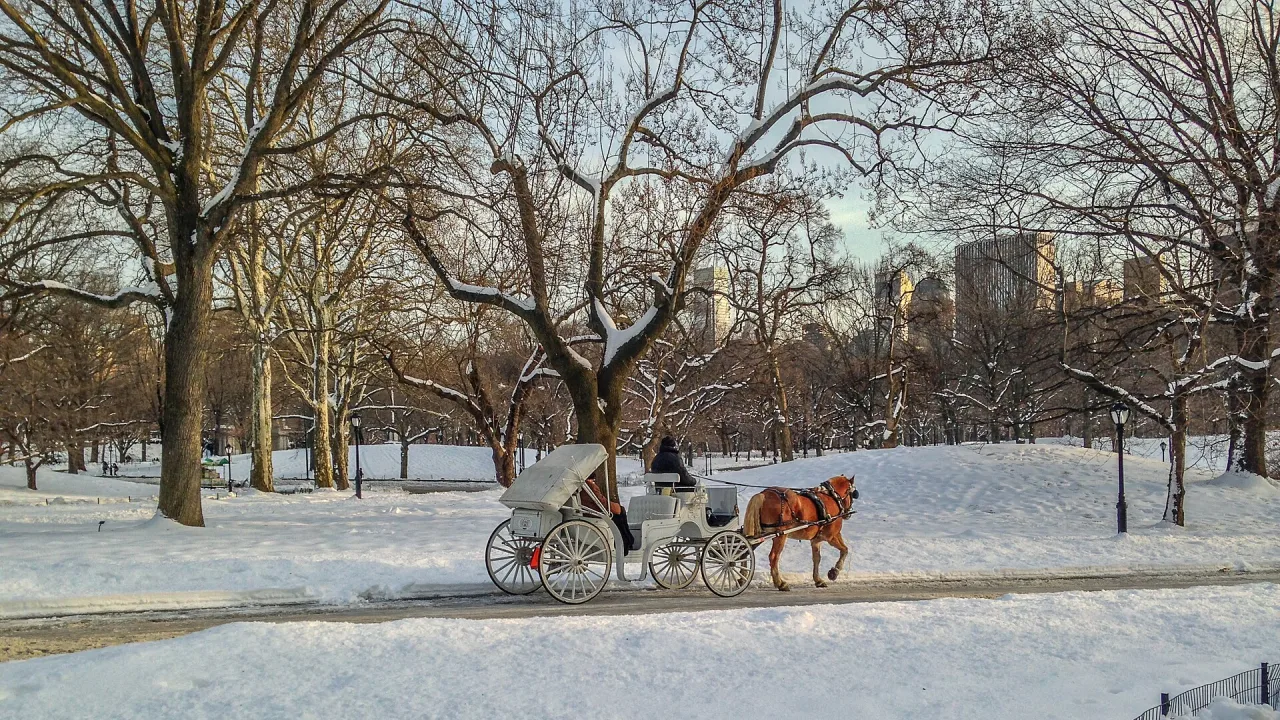
The New York City Council voted overwhelmingly on Thursday to ban horse-drawn carriages from city streets by June 2028, setting an end date for an attraction that has operated in Central Park for more than a century and a half.
Lawmakers approved the measure, known as Romanch’s Law, in a 40-7 vote with two abstentions, Fox News reported. The bill was introduced following the June death of 18-year-old tourist Romanch Mahajan, who died after falling or leaping from a runaway carriage inside Central Park. The legislation heads to the desk of Mayor Zohran Mamdani, who has pledged to sign it.
Phaseout and Worker Transition Plan
Under the legislation, the horse-drawn carriage sector will officially conclude operations by June 1, 2028. The measure mandates that the mayoral administration formulate a comprehensive workforce transition program for more than 150 active drivers and stable employees, according to KATU. That initiative, mandated to be established by April 2027, aims to provide job training, career counseling, and job referrals, though direct financial compensation remains unsecured.
The law also includes stipulations designed to ensure retired horses are safeguarded against slaughter, permitting owners to keep the animals or place them in sanctuaries. Animal rights organization PETA pledged $50,000 to assist in retiring the horses as the industry winds down, Fox News reported.
“Our landmark vote to pass Romanch’s Law is a demonstration of this Council’s commitment to animal welfare, public safety, and worker protection,” City Council Speaker Julie Menin said in a statement reported by KATU. Menin stated that the council strengthened labor provisions over the summer and expressed confidence that the measure will withstand legal challenges.
Pushback From Drivers and Trump
The impending ban prompted immediate resistance from carriage workers and their union, the Transport Workers Union Local 100. Union leaders vowed to contest the measure in federal court and seek an immediate temporary restraining order, Fox News reported. Drivers argued that the council moved forward without providing a sufficient financial safety net for families whose livelihoods depend on the trade.
“Without a job, how can I take care of my horses?” carriage driver Alexus Lawson told KATU, noting she worries about the future of her 7-year-old horse, Starlight.
President Donald Trump criticized the council’s decision on social media Thursday, calling the industry a foundational piece of the city’s character.
“The Horse-drawn Carriage in New York City is a quintessential New York experience. So sad that, for political reasons, we will see it go!” Trump wrote on Truth Social.
Trump also questioned why carriages were singled out after a traffic accident when motor vehicles are not excluded following crashes, according to the New York Post.
Decades-Long Debate Reaches Climax
Animal welfare groups and park officials hailed the outcome as a necessary modernization. The Central Park Conservancy noted that Mahajan’s fatal accident was the ninth carriage-related incident in just over a year, arguing in a statement that carriages present severe hazards in a park that receives roughly 40 million visits annually. NYCLASS Executive Director Edita Birnkrant told Gothamist that the legislation was long overdue, citing city records showing roughly 40 working carriage horses have died on duty since 1982.
Carriage owners, however, contend they have been unfairly blamed while competing with speeding electric bicycles and other motorized traffic on crowded loops. Once Mamdani signs the bill into law, the city will begin crafting the worker transition initiative while preparing to defend the ban against union lawsuits in federal court.