Massive waves and dangerous ocean swells pummeled the California coastline on Saturday, forcing pier closures, flooding coastal streets and prompting evacuation warnings from Northern California down to Southern California.
Meteorologists issued high surf warnings and advisories along much of the state’s coast as storm activity in the Pacific Ocean sent powerful swells crashing ashore. Forecasters warned residents to stay well away from the shoreline and avoid beaches, jetties, seawalls and rocks due to life-threatening water conditions, according to the National Weather Service and local authorities.
High surf hits Northern and Central California
Northern California experienced some of the most intense conditions on Saturday. The National Weather Service Bay Area reported breaking waves exceeding 25 feet along large sections of the northern coastline, the Los Angeles Times reported. At famous break points such as Mavericks in San Mateo County, localized wave heights reached between 50 and 60 feet, according to Rachel Kennedy, a meteorologist with the National Weather Service Bay Area.
Off the coast of Point Reyes, a weather buoy recorded a wave height of 31.2 feet on Saturday morning, Kennedy told the Los Angeles Times. She noted that it was the highest wave height recorded at that buoy since 2015.
In San Mateo County, large waves washed over coastal streets in communities such as Pacifica and Half Moon Bay, sending seawater surging past shoreline barriers and knocking down bystanders, according to witness reports and social media videos cited by the Los Angeles Times. Farther south along the Central Coast, the Santa Cruz County Sheriff’s Office issued an evacuation warning for coastal areas near Capitola as severe surf battered the shoreline, the newspaper reported.
The National Weather Service in the Bay Area strongly warned the public against venturing anywhere near the ocean over the weekend.
“The beach is not your friend this weekend,” Kennedy said, adding that “you’re putting both yourself and any rescuers in danger if you go on the beach at all.”
Flooding risks and Southern California impacts
Along the Central Coast near Monterey Bay, forecasters warned that elevated tides and breaking waves of 25 to 35 feet could cause localized coastal flooding, particularly around midday high tides, KSBW reported. Weather officials noted that sneaker waves and powerful rip currents made entering the water extremely hazardous.
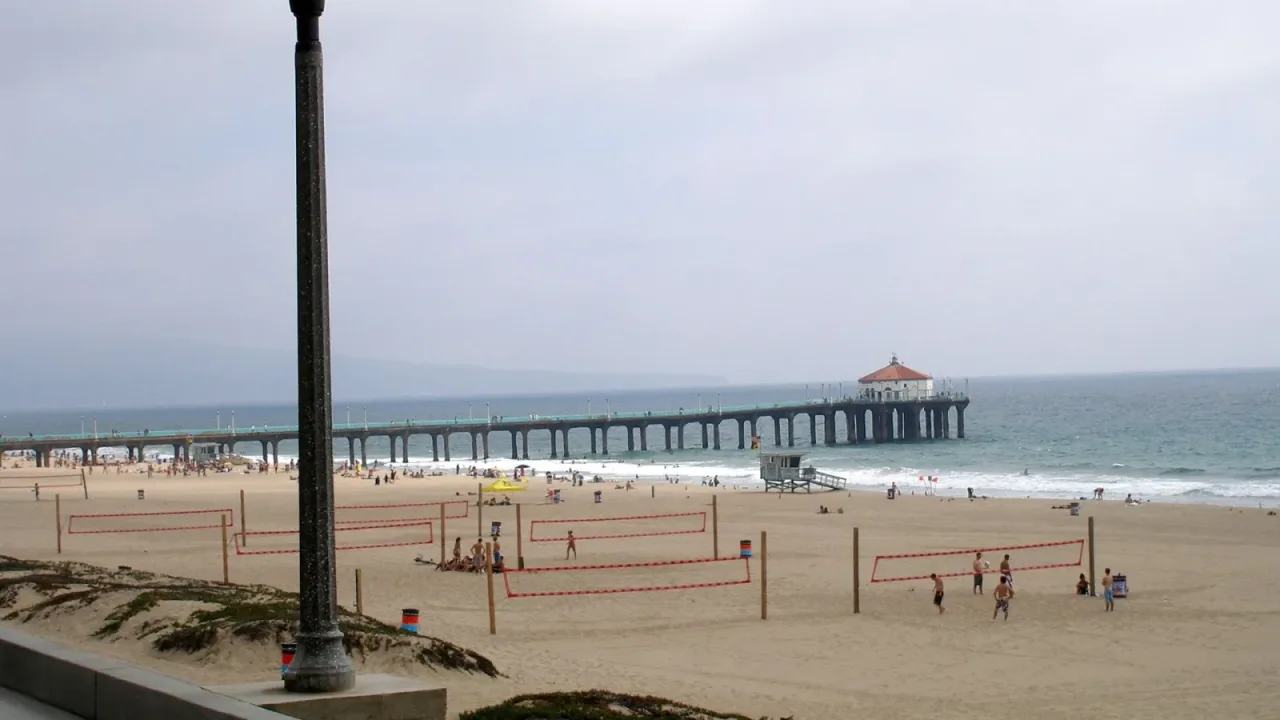
Impacts extended into Southern California as well. Officials in the city of Manhattan Beach closed the Manhattan Beach Pier on Saturday morning after powerful waves crashed directly into the structure’s support pylons, according to the Los Angeles Times. Pier closures are a rare precaution for the popular tourist destination, which features an aquarium at its end.
The National Weather Service reported surf heights of 6 to 9 feet in Los Angeles and Ventura counties on Saturday, with waves expected to build to 8 to 12 feet, the Los Angeles Times reported. San Luis Obispo County faced wave heights of 10 to 15 feet, building to between 18 and 25 feet. High surf advisories for parts of Southern California were scheduled to remain in effect until Tuesday afternoon, while coastal flood advisories were set through Saturday afternoon.
More swells expected through the week
Meteorologists attributed the severe coastal conditions to storm activity far out in the Pacific Ocean. A storm system generating hurricane-force winds in the ocean’s northeast region near the Gulf of Alaska pushed strong northwesterly swells toward the West Coast, according to the National Weather Service.
Although the initial surge began to subside late Saturday, forecasters cautioned that hazardous conditions are far from over. Additional storm systems are expected to move across the region over the coming days, bringing both rainfall and renewed waves to coastal communities.
Kennedy noted that while the initial swell was trending downward, forecasters expect additional northwesterly swells to arrive throughout the week due to ongoing active weather across the Pacific Ocean, raising the possibility of further damaging waves along the California coast.