Tensions between Washington and Kyiv have deteriorated into an open confrontation as President Donald Trump steps up efforts to force Ukrainian President Volodymyr Zelensky to halt strikes on Russian oil infrastructure while easing sanctions against Moscow, Rolling Stone reported.
The dispute escalated sharply following a series of administration moves over the past two weeks, culminating in Trump’s decision to effectively waive key portions of a recently enacted sanctions law known as the Graham Bill. The legislation, named after the late Sen. Lindsey Graham, had passed the Senate with 86 votes to ratchet up economic pressure on Russia.
Speaking to reporters in Kyiv on Saturday, Zelensky criticized the administration’s waiver, arguing that the rollback only emboldened the Kremlin during continued aerial assaults on Ukrainian cities.
“The decision to undo all of this, to block all of it, seems wrong to me. And it definitely helps only the Russians,” Zelensky said, as quoted by Rolling Stone. “It only fuels their satisfaction and their desire to keep killing people. This certainly does not stop the war.”
Intelligence Threats and Starlink Limits
Behind the scenes, the administration has mounted aggressive pressure on Ukrainian officials. Rolling Stone reported that the White House instructed aides to deliver an ultimatum warning Kyiv that the U.S. would cut off vital intelligence sharing unless Ukraine ceased targeting Russian oil refineries.
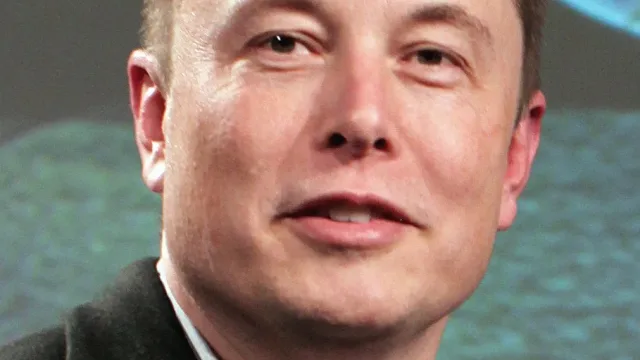
According to officials cited in the report, the demand followed hours of tense phone conversations between U.S. and Ukrainian representatives. At the same time, the administration collaborated over the preceding week with tech billionaire Elon Musk to throttle access to the military version of Starlink, a satellite internet network that serves as a crucial communications link for Ukrainian forces. Both the White House and Musk have denied responsibility for limiting the system’s usage.
Energy Prices and Blame for the War
Trump has increasingly targeted Zelensky publicly, depicting him as an obstacle to ending the conflict and blaming Ukrainian military operations for domestic economic pressures. In a television interview on Friday, Trump said, “Zelensky is not a good guy for us to deal with,” adding, “I’m not a big fan of Zelensky. They’ve destroyed that country.”
Trump reiterated that stance Sunday in a post on social media, accusing the Ukrainian leader of worsening global energy markets ahead of the upcoming midterm elections. World fuel costs have surged amid disruptions tied to the conflict involving the U.S., Israel and Iran.
“Zelenskyy is using Diesel Refineries in Russia as a target, knowing that these attacks are seriously hurting the world diesel markets, including those in the United States,” Trump wrote, adding that “he doesn’t want to end this war, and probably never did.”
Trump has paired those public attacks with overtures to Moscow, including proposing that Russia be permitted to sell diesel fuel to the United States in an effort to bring down domestic prices.
Uncertain Future for U.S.-Ukraine Ties
Trump’s political allies have echoed the shift in policy toward Kyiv. Musk declared that “Zelensky has gone too far,” while former Trump adviser Michael Flynn contended that the conflict would end once Zelensky leaves office, Rolling Stone reported.
Despite the administration’s attempts to force a change in Ukrainian strategy, Kyiv has shown no intention of abandoning its defensive campaign. How deeply the threatened cutoff of U.S. intelligence will disrupt Ukrainian battlefield operations, and whether Congress will push back against the administration’s decision to bypass the Graham Bill’s sanctions, remains unclear.