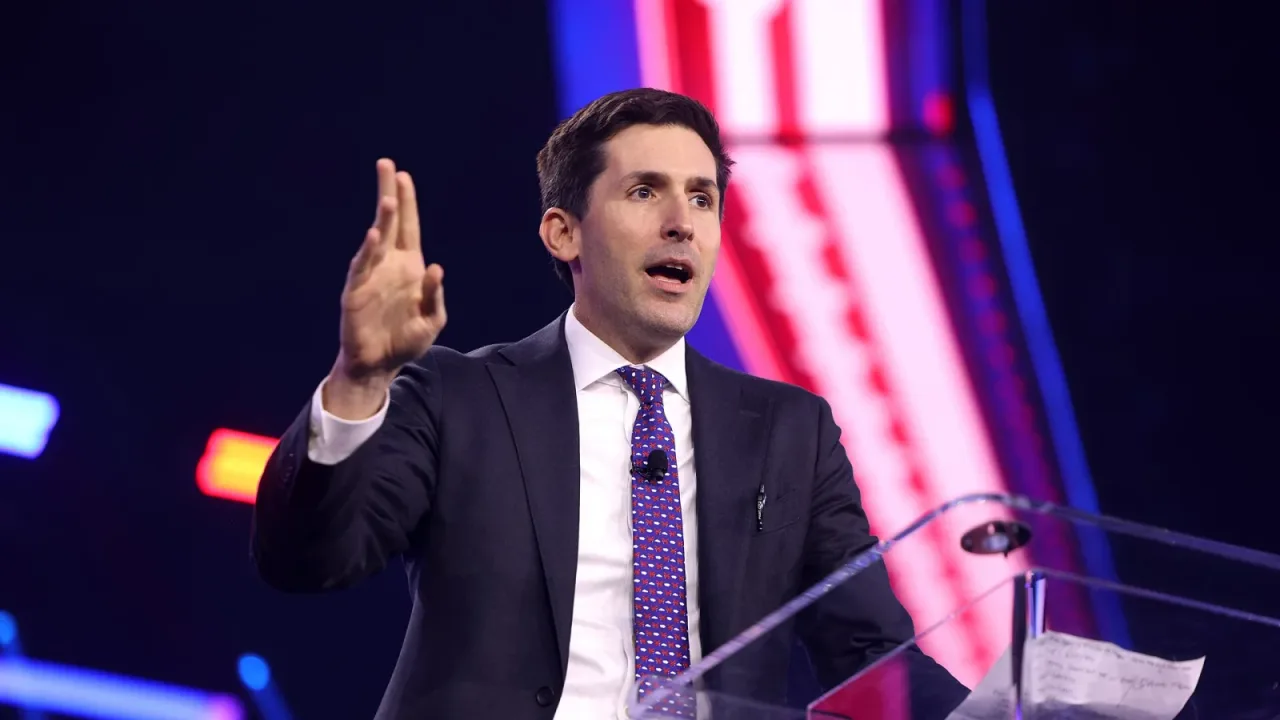
WASHINGTON — Calley Means, a senior adviser to Health and Human Services Secretary Robert F. Kennedy Jr. and a central architect of the “Make America Healthy Again” movement, resigned from his position in the Trump administration on Thursday.
Means announced his departure in a public post on X and in a statement to NBC News, offering praise for President Donald Trump and Kennedy while criticizing the federal establishment. He stated he was leaving “with tremendous respect for President Trump and RFK — two historic figures who are committed to confronting a corrupt DC bureaucracy that is doing everything possible to protect the status quo.”
White House spokesperson Allison Schuster commended his service, telling reporters that the administration is “grateful for Calley Means’ time” and asserting that “he has done a fantastic job for the MAHA movement.” The Department of Health and Human Services did not respond to requests for comment.
Stalled Priorities and Bureaucratic Clashes
Means did not outline specific grievances in his resignation statement, but individuals familiar with the matter told NBC News that he had grown increasingly dissatisfied with the pace of policy changes in Washington. A primary point of contention was the administration’s delay in establishing an official federal definition of ultraprocessed foods, a core objective championed by Means and Kennedy.
Kennedy previously suggested a definition would arrive in April, but the acting commissioner of the Food and Drug Administration, Kyle Diamantas, later noted at an industry event that crafting the classification was exceptionally difficult, according to ABC News. Although the administration previewed the standard again in August, the initiative was largely sidelined in favor of a separate proposal addressing chemical food additives.
Tensions also emerged over environmental and agricultural policies. A source familiar with Means’ exit told NBC News that Trump’s executive order expanding domestic supplies of the herbicide glyphosate, the primary chemical in Roundup, conflicted with the movement’s priorities. In June, the Trump administration supported manufacturer Bayer before the Supreme Court, which ruled the chemical giant was not required to provide consumer cancer warnings on Roundup packaging. Furthermore, the Environmental Protection Agency has rolled back limits on certain PFAS chemicals in drinking water and eased restrictions on mercury emissions, decisions that drew backlash from health activists.
Growing Friction Ahead of Midterms
The departure lands amid broader friction between the administration and Kennedy’s base less than two weeks before the midterm elections, NBC News reported. Some supporters have accused the White House of retreating on key promises involving pesticides, chronic disease prevention, and corporate regulation, with some activists warning they might sit out the upcoming vote.
Means, who previously founded the telehealth firm Truemed, had faced resistance from within both the government and the mainstream medical community. During his tenure, health professionals heavily criticized his rhetoric, including his opposition to community water fluoridation and his promotion of unpasteurized raw milk.
His family faced political hurdles within the administration as well. Trump nominated Means’ sister, Dr. Casey Means, to serve as surgeon general last year. The nomination was pulled in April after lawmakers scrutinized her positions on vaccines and alternative medicine, leading Trump to nominate Dr. Nicole Saphier instead.
Despite the roadblocks, Means defended his record on Thursday, pointing to policy shifts accomplished over the past two years. Among them, he highlighted changes that restricted soda purchases under the Supplemental Nutrition Assistance Program, initiatives fast-tracking research on psychedelic medicines, updated dietary guidelines emphasizing whole proteins over processed items, and pressure on food processors to remove synthetic dyes.
What remains unsettled is how the health department will proceed on signature MAHA goals without one of its primary strategists, particularly as corporate interests and federal regulators continue to push back against proposed industry restrictions.