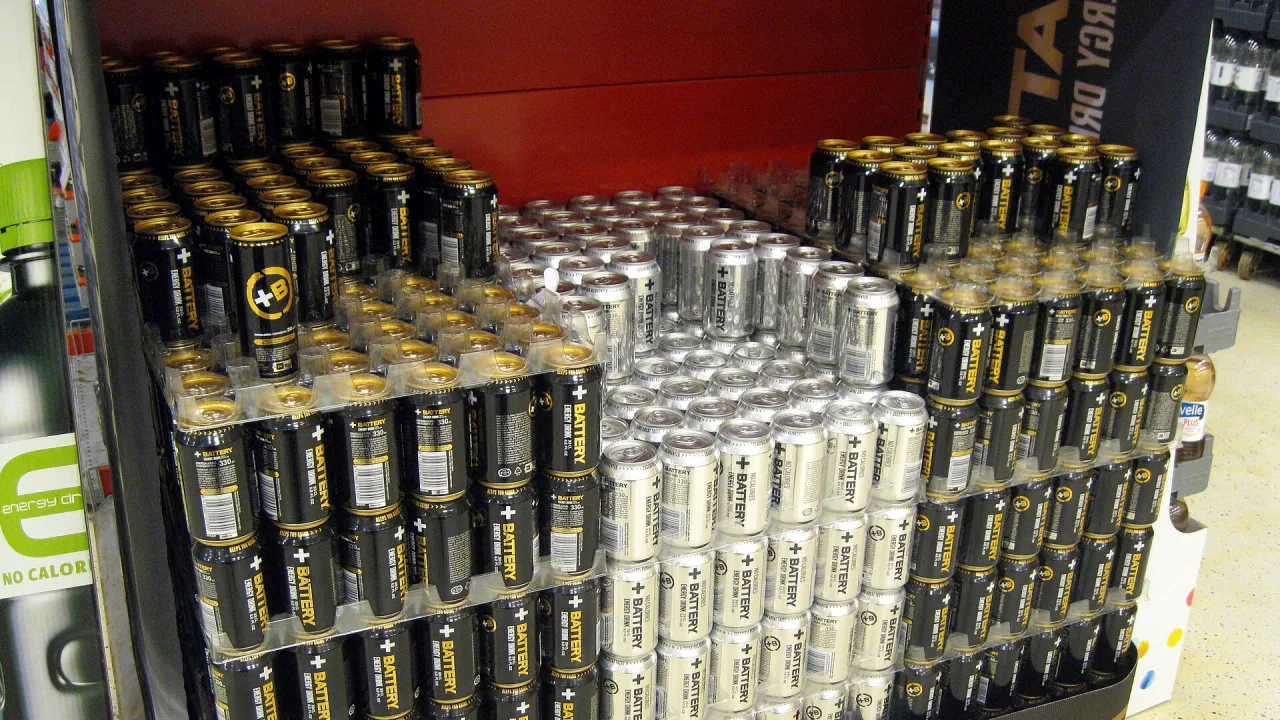
Caffeinated energy drinks and stimulant dietary supplements appeared far more frequently in federal safety reports involving serious cardiac events than non-stimulant foods, according to preliminary research presented at the American Heart Association Scientific Sessions in Chicago.
The study evaluated more than 28,000 adverse event reports submitted to the Food and Drug Administration between 2017 and 2025 regarding people ages 13 and older. Researchers found that reports involving products with caffeine and other stimulants cited cardiac arrest roughly 11 times more often than reports involving items without stimulants. Heart attacks were reported about 4.5 times as often, and abnormal heart rhythms or palpitations were noted four times as often, Fox News reported.
Disproportionate Impact on Younger Adults
Adults between the ages of 18 and 34 accounted for approximately 45 percent of all cardiovascular events linked to stimulant products in the database. Beyond cardiac arrest and heart attacks, consumers reported tachycardia, chest tightness or pain, and fainting.
Study author Sai Samayamanthula, a fourth-year medical student at the University of Virginia School of Medicine, noted that consumers often treat these beverages as harmless everyday pick-me-ups because they are sold alongside bottled water and sodas. While occasional consumption may carry minimal risk for healthy people, Samayamanthula stated that regular consumers can rapidly surpass daily caffeine thresholds.
A 2026 American Heart Association scientific statement notes that up to 400 milligrams of caffeine daily, roughly five eight-ounce cups of black coffee, is generally considered safe for most adults. However, some energy drinks pack up to three times the caffeine per ounce found in standard coffee, and certain pre-workout formulas contain more than 12 times that level, senior study author Dr. Pamela Benavidez told Fox News.
Dr. Cheng-Han Chen told Medical News Today that a single can of an energy drink can contain between 80 and 300 milligrams of caffeine, warning that combining drinks with tea or coffee quickly pushes people past safe daily limits.
Complex Formulations and Study Limitations
Researchers emphasized that caffeine is not the only active ingredient raising red flags. Many pre-workout supplements and energy beverages also feature secondary stimulants, such as guarana, yerba mate, synephrine, and yohimbine.
“These can interact with caffeine in ways that are not fully understood, especially in young, healthy people,” Benavidez told Fox News Digital.
Because the FDA classifies energy drinks and stimulant items as dietary supplements or foods rather than medications, they are exempt from strict premarket pharmaceutical testing requirements. However, researchers and independent medical experts caution that the observational study does not demonstrate direct cause and effect. The findings remain preliminary and have not been published in a peer-reviewed journal.
Dr. Gregory M. Marcus, who chaired the heart association's 2026 caffeine statement and was not involved in the research, noted that other variables could explain the data, such as mixing stimulants with alcohol, taking illicit drugs, vigorous exercise, or hidden genetic conditions.
Industry Rebuttal and Medical Guidance
Industry groups strongly rejected suggestions that their products pose unique dangers. The American Beverage Association stated that energy drinks have been consumed safely worldwide for over 30 years and that no health agency has found harmful interactions between their ingredients and caffeine, Fox News reported.
Similarly, Council for Responsible Nutrition Chief Science Officer Andrea Wong told Fox News that voluntary FDA filings cannot prove incidence or risk rates, emphasizing that the reporting disparity does not mean users are 11 times more prone to suffering cardiac arrest.
Cardiologists recommend that anyone experiencing sudden chest discomfort, lightheadedness, or an irregular heartbeat after consuming energy drinks seek prompt medical attention. More rigorous clinical trials will be needed to determine whether stimulant cocktails directly damage cardiovascular tissue in healthy young adults.