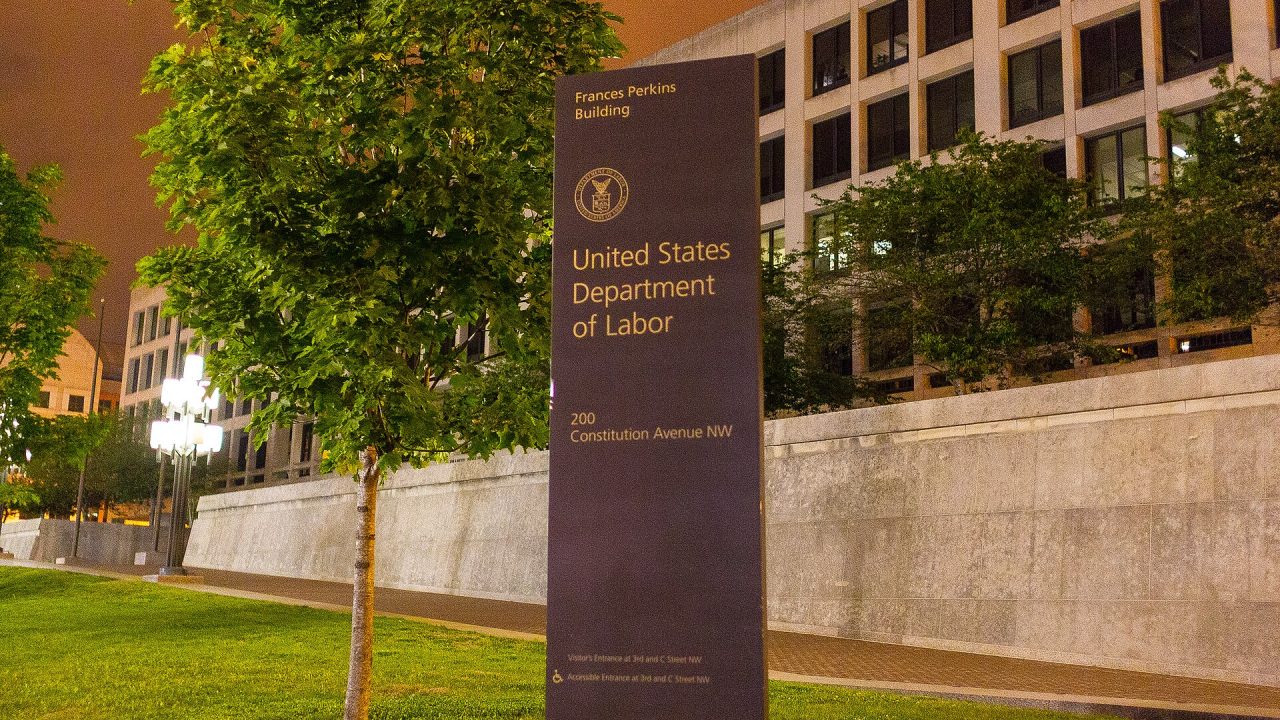
U.S. employers added just 29,000 jobs in September, far fewer than forecasters expected, and the unemployment rate edged up to 4.2% from 4.1%, the Labor Department said Friday. It was the government’s last monthly jobs report before the Nov. 3 midterm elections.
Economists surveyed by Dow Jones had projected a gain of 84,000 jobs, CNBC reported, while The Associated Press said forecasters were looking for about 90,000. The department also lowered its estimates for July and August by a combined 60,000 jobs. Revised figures now show payrolls shrank by 10,000 in July and grew by 133,000 in August.
Economists have described the job market as “low-hire, low-fire,” with employers holding on to the workers they have but adding few new ones. The September report did not point to widespread job cuts, NPR reported. But slow hiring leaves fewer openings for people who lose a job and for those entering or returning to the workforce.
“The good news is you’re not seeing a lot of layoffs,” Sarah House, senior economist at Wells Fargo, told NPR.
Health care, construction lead modest gains
Health care added 17,000 jobs in September, about half the industry’s average monthly gain of 33,000 over the past year, according to the AP. Construction added 11,000 jobs and manufacturing 9,000.
Several sectors cut jobs. Government employment fell by 17,000, temporary help services lost 11,000, the information sector shed 10,000 and financial activities dropped 7,000, CNBC reported.
Part of the rise in unemployment came from more people looking for work. The labor force grew by about 485,000 in September, and some of those newcomers had yet to find jobs. The labor force participation rate, the portion of adults with a job or actively seeking one, climbed to 61.8%, up 0.2 percentage point and the highest since May, according to CNBC. A broader measure of underemployment, which also counts discouraged workers and people working part time because they cannot find full-time jobs, fell to 7.6%, the lowest since January 2025.
Paychecks trail inflation
Average hourly earnings rose 0.1% from August and 3% from a year earlier, the smallest annual increase since May 2021. Economists had expected gains of 0.3% and 3.1%, respectively, CNBC reported. NPR noted that wages have recently lagged behind price increases, cutting into what workers can afford.
“Wage growth fell to a new 5-year low and is being wiped out entirely by inflation,” Navy Federal Credit Union’s chief economist, Heather Long, said in comments reported by CNBC.
The longer trend is less bleak. Employers have added an average of 68,000 jobs a month so far in 2026, up from about 9,700 a month in 2025, the AP reported. CNN cited the same 2026 average from Bureau of Labor Statistics data. The AP also noted that baby boomer retirements and the Trump administration’s immigration crackdown have shrunk the pool of people competing for work. As a result, the monthly job growth needed to keep unemployment from rising may now be as low as zero, compared with roughly 150,000 a year or two ago, the AP reported.
What’s next for the Fed
In September, the Federal Reserve lifted its key interest rate by a quarter point to fight inflation, which remains above the central bank’s 2% target. The weak hiring numbers lowered expectations for another increase when Fed policymakers meet Oct. 27-28. Shortly after the report, traders put the odds that the Fed holds rates steady at that meeting at about 83%, based on CME Group’s FedWatch tool. By late afternoon, the figure was about 77%, CNBC reported.
Stock futures rose after the release. Treasury yields fell at first but turned higher later in the day. Traders still see a strong chance that the Fed raises rates in December, according to CNBC.
Friday’s report was the last monthly jobs snapshot before Election Day, so figures for October will not be released until after voters go to the polls.