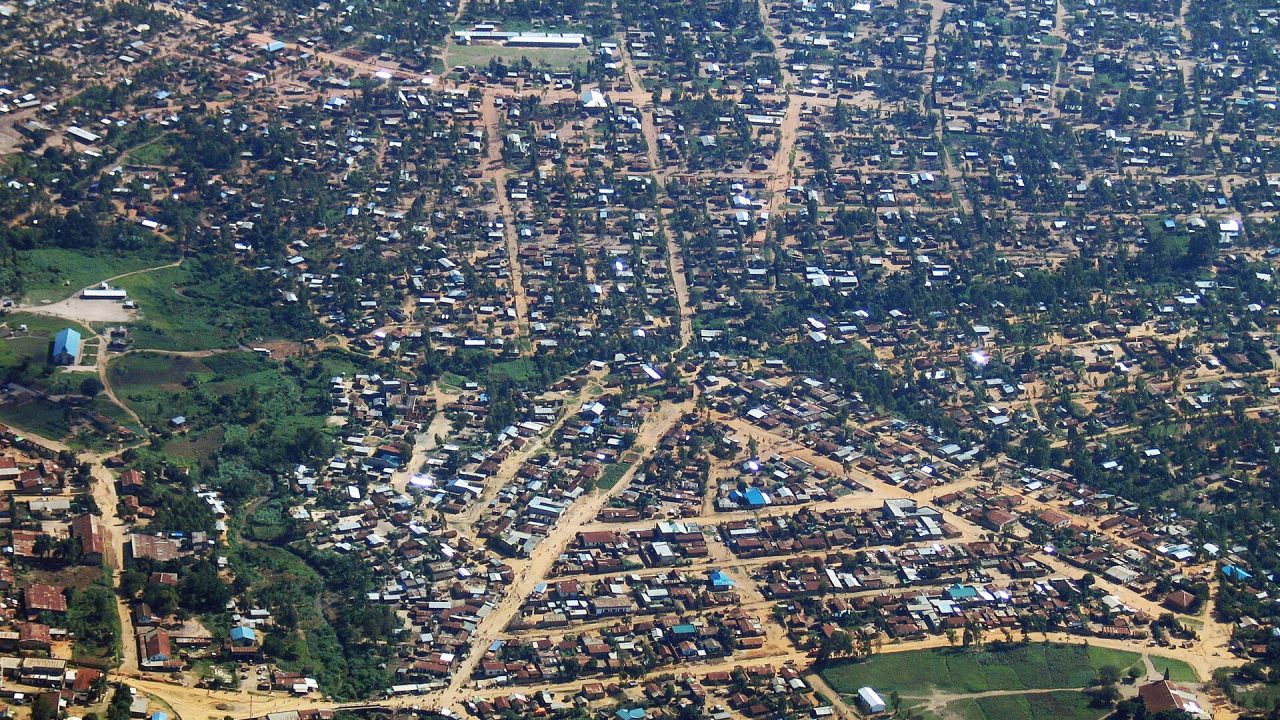
The Ebola outbreak in eastern Democratic Republic of Congo has killed more than 4,000 people since it was declared in May, making it the fastest-growing Ebola outbreak on record, as health workers contend with a rare form of the virus, armed conflict and deep public distrust.
Government figures released late last week showed 4,018 deaths among 8,300 confirmed cases, The Associated Press reported. The World Health Organization has warned that the outbreak is on track to surpass the 2014-16 epidemic in West Africa, the deadliest on record, which killed more than 11,000 people.
Roughly half of confirmed patients have died. The national case fatality rate stands at 48.4%, according to the Africa Centres for Disease Control and Prevention, as reported by CIDRAP, the University of Minnesota’s infectious disease news service.
Why this outbreak is different
Congo announced the outbreak on May 15. It is the country’s 17th Ebola outbreak, but it is caused by Bundibugyo virus, a rare species of Ebola for which there is no approved vaccine or treatment. Earlier outbreaks in Congo were mostly driven by the more common Zaire species, which is targeted by the Ervebo vaccine.
The virus has spread to seven provinces, AP reported, and Ituri province in the northeast, along with its capital, Bunia, remains the center of the outbreak. Ebola spreads only after an infected person develops symptoms, so health teams try to find and monitor everyone who was in contact with a patient. That has proved difficult. The contacts identified so far amount to only about 23% of the number officials would expect, a gap Africa CDC epidemiologist Wessam Mankoula called a major concern, CIDRAP reported.
Front-line workers are also at risk. The virus has killed at least 50 health workers, and a Doctors Without Borders staff member who tested positive Sept. 29 was flown to the Netherlands for treatment.
What is slowing the response
Unpaid wages have repeatedly disrupted the effort. Front-line workers have walked off the job several times since the outbreak began, and surveillance staff who track exposed people recently protested in Bunia over months of missed pay, AP reported.
Violence and mistrust have added to the strain. Some residents believe Ebola is a hoax, and many distrust the government because of how past outbreaks were handled and long-running corruption, according to AP. Last week, soldiers searching for weapons burned a camp on the outskirts of Bunia that housed a transit center for Ebola patients, forcing 19,000 people to flee, a senior United Nations official said. In Butembo, another hot spot, a local official from Congo’s ruling party was beaten to death Sept. 27 after he urged Ebola precautions on a radio program, CIDRAP and AP reported.
Julien Harneis, the U.N.’s senior Ebola coordinator, said losing a treatment site sets the response back. “When we lose a center, that means we lose capacity, we lose investment and we have to start again,” he said.
The search for protection
Because no proven tools exist for this strain, researchers are testing several options. A trial that began in July is studying whether obeldesivir, an experimental antiviral pill made by Gilead, can keep people who have been exposed from getting sick, AP reported. More than 250 people have enrolled so far, and organizers aim to recruit nearly 1,000 participants who have had contact with a confirmed patient but show no symptoms. Half will receive a placebo.
Congo has also begun giving the Ervebo vaccine to health workers through a clinical trial; about 6,300 had received it as of late September, according to CIDRAP. Officials say it may offer some protection against Bundibugyo, but that is still being studied. Researchers are also evaluating the antiviral remdesivir as a treatment.
What to watch
Weekly confirmed case counts have fallen from their summer peak, and more than 21 days have passed without a new case in 18 health zones, according to Africa CDC data reported by CIDRAP. But officials caution that insecurity and community resistance have kept surveillance teams out of some hot spots, and new cases are still rising in North Kivu and Tshopo provinces. “This curve doesn’t mean that the outbreak is totally under control,” Mankoula said. Key signs to watch include whether case counts keep falling as access improves, whether health workers are paid, and early results from the drug and vaccine trials.