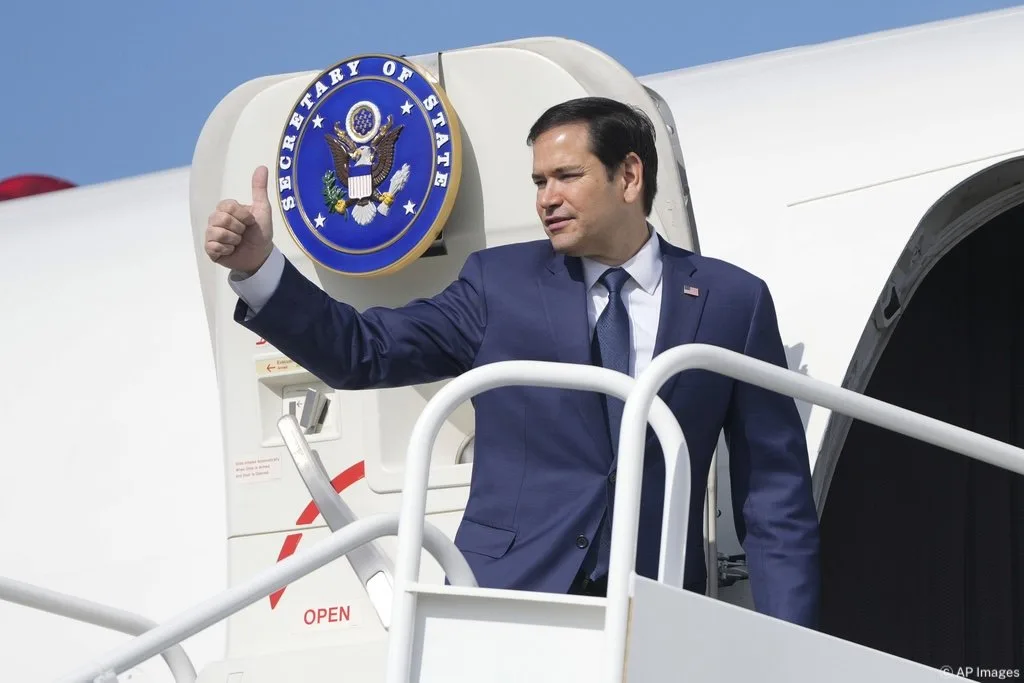
WASHINGTON — Secretary of State Marco Rubio urged Cuban citizens seeking political transformation to collaborate with the CIA, shortly after President Donald Trump suggested American naval vessels could stop near the island nation following military operations abroad.
Rubio posted the direct appeal Friday on social media platform X, pointing to what he characterized as the failure and corruption of the island’s communist administration. “To those who seek to create positive change in Cuba — now is the time,” Rubio wrote. He urged citizens to seize the moment through a “discrete partnership with the CIA,” as reported by CBS News.
Shortly after Rubio’s statement, the intelligence agency recirculated his remarks and published Spanish-language guidance, including a video outlining steps for potential informants to reach out to American personnel or safely visit a U.S. embassy in person, according to Al Jazeera.
Rally rhetoric and military warnings
The intelligence appeal unfolded alongside remarks from Trump during a campaign event in Fort Myers, Florida. Campaigning ahead of midterm elections, Trump fielded a question from the audience regarding Cuba and reiterated earlier suggestions that Washington could confront Havana as naval forces reposition from the Middle East.
“We’ll do a little stopover,” Trump told rally attendees, according to ABC News. “Those beautiful ships will pass Cuba. We’ll have one of them stop about 50 yards off the coast. They’ll raise up their hands. And then we’re going to send Marco Rubio in to finish up the deal.”
Rubio, the son of Cuban immigrants, has long supported severe measures against the island’s communist authorities. While speaking to reporters in May, Rubio argued that Cuba poses a long-standing national security concern because of its relationships with foreign adversaries. However, Trump previously told reporters at the United Nations in September that he believed the two nations would eventually make a deal without needing military intervention, noting the severe economic contraction gripping the island.
Cuban leaders push back against recruitment
Officials in Havana strongly rejected both the public CIA appeal and Trump’s comments. Foreign Minister Bruno Rodríguez Parrilla stated on social media that Cuba firmly rejects threats originating from Washington’s geopolitical goals.
“Our shores are lined with beautiful beaches, but they are also rugged and inhospitable to those who arrive with hostile intentions and a desire for domination,” Rodríguez Parrilla wrote, according to CBS News.
Deputy Foreign Minister Carlos Fernandez de Cossio mocked the online solicitation, writing on X that American officials were acting out of desperation by trying to market espionage services like consumer goods, Al Jazeera reported. Fernandez de Cossio previously told C-SPAN that deploying military forces against Cuba would represent an atrocious international violation against a peaceful neighbor.
Deepening economic turmoil
The escalated rhetoric comes amid crushing hardship across the island nation of roughly 10 million people. Cuba has endured an intensifying economic and energy collapse since 2020, marked by widespread blackouts, food shortages, and soaring inflation.
Washington has tightened its economic grip in recent months, CBS News reported. The U.S. government instituted fresh economic penalties against Cuba’s state-owned bank, asserting the financial entity maintained ties to Iran. Earlier this year, Washington also enacted an oil blockade that United Nations human rights specialists criticized as inconsistent with international law, according to Al Jazeera.
Basic supplies have grown scarce under the expanded sanctions, leaving residents waiting in long lines for bread and medical appointments. Hundreds of thousands of residents have left the island in recent years, with many seeking refuge in the United States. It remains unclear whether the Trump administration plans to introduce further punitive diplomatic or economic measures in the coming weeks.