A chartered helicopter plunged into the waters of Biscayne Bay near Key Biscayne, Florida, on Wednesday morning, leaving one person dead and two others critically injured, local and federal authorities reported.
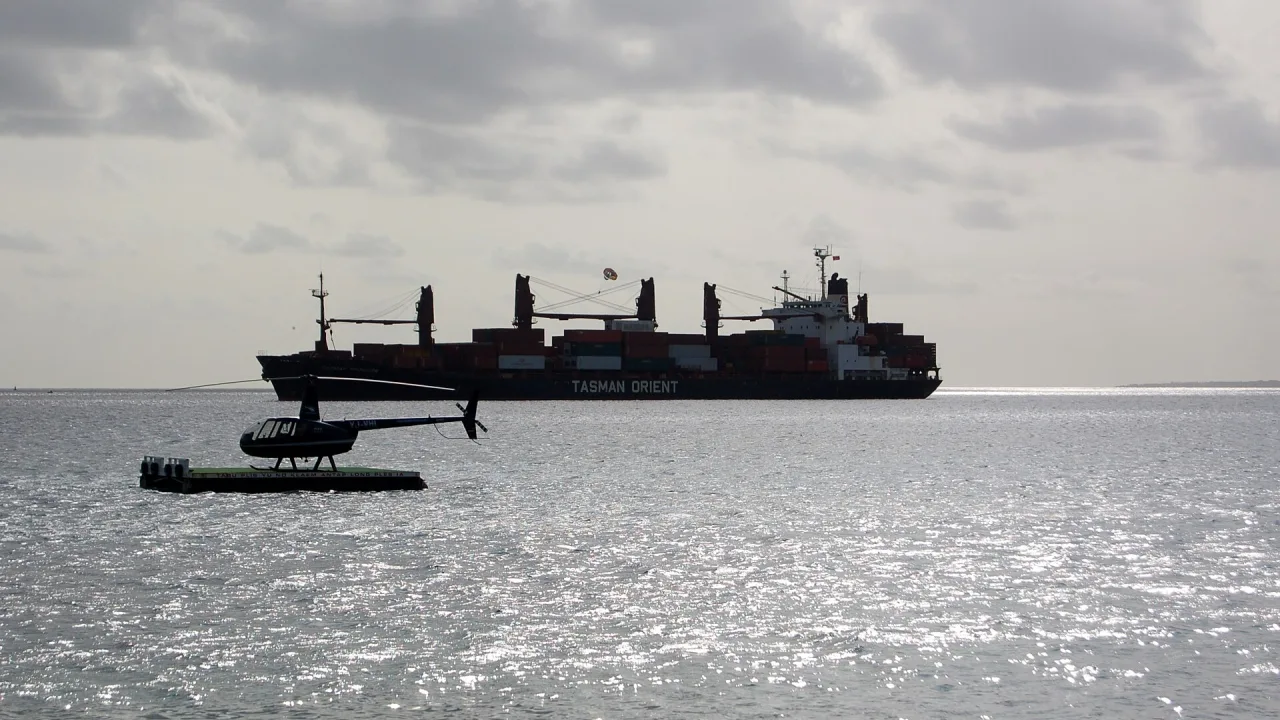
The crash occurred around 11:26 a.m. off the coast of the barrier island, near Bill Baggs Cape Florida State Park and Nixon Beach, according to the Miami-Dade Sheriff’s Office. The aircraft involved was a Robinson R44 II carrying three men, the U.S. Coast Guard confirmed.
Preliminary findings from the National Transportation Safety Board indicated the helicopter was operating as a photography flight. The crew had been capturing aerial video of boats on the water before the aircraft suddenly went down, the New York Post reported.
Emergency Rescue Operation
Miami-Dade Fire Rescue, the City of Miami Fire Rescue, and Key Biscayne Fire Rescue mounted an immediate coordinated response alongside the U.S. Coast Guard, officials said.
A good Samaritan in a nearby vessel attempted to provide emergency aid to one of the passengers before rescue crews arrived, Miami-Dade Sheriff Rosie Cordero-Stutz told reporters at a press briefing. Despite those rescue efforts, the victim was pronounced dead at the scene, according to the sheriff.
Emergency personnel pulled the other two passengers from the water with traumatic injuries. Ground ambulances transported both victims to a nearby landing zone, where Miami-Dade Fire Rescue air units airlifted them to a regional trauma center. Cordero-Stutz said both surviving men were listed in critical but stable condition Wednesday afternoon.
Officials declined to immediately release the identities of the victims or the business operating the charter service. Aerial news video captured the yellow floats of the submerged helicopter resting upside down in the bay as rescue vessels and divers surrounded the site.
Federal Inquiries and Private Flight Scrutiny
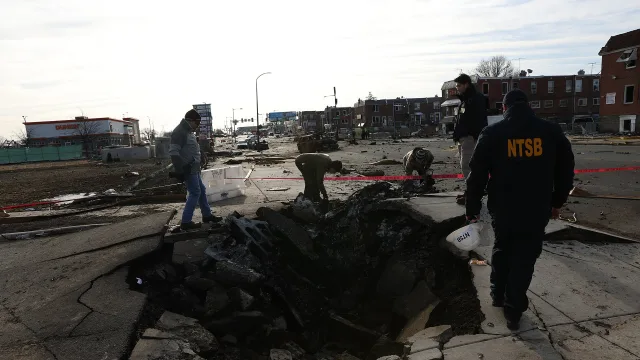
The National Transportation Safety Board announced it has launched an investigation to establish the cause of the fatal crash, and the Federal Aviation Administration was notified, The Guardian reported.
The incident marks the second deadly air disaster in South Florida this week. On Sunday, a private Learjet 60 business aircraft crashed in Greenacres in Palm Beach County, killing all nine individuals on board, including Texas technology entrepreneur Adam Robinson and his family. In that incident, pilots reported turbulence, airframe icing, and an overspeed warning before the jet plummeted, according to flight records and officials.
The back-to-back crashes have intensified scrutiny surrounding private and chartered aviation, Business Insider reported. Following the Palm Beach disaster, several high-profile investors publicly questioned whether flying privately carries unnecessary safety risks compared to commercial airline travel.
“Never getting in a Lear 60 again,” investor and podcast co-host Jason Calacanis posted on social media platform X, adding, “And with commercial being 10x cheaper and 10x safer, I’m only flying the big iron from the majors.”
Federal safety records indicate that while aviation accidents remain rare nationwide, chartered and on-demand flights experience higher fatality rates than major commercial airlines. National Transportation Safety Board data shows that on-demand charter aircraft recorded two fatal accidents in 2024, representing 0.06 fatal events per 100,000 flight hours. In contrast, scheduled U.S. commercial carriers experienced zero fatal accidents that year.
Next Steps in Investigation
Federal investigators are working with local recovery teams to retrieve the submerged Robinson R44 wreckage from Biscayne Bay. The NTSB will examine mechanical components, maintenance records, weather conditions, and operational procedures as investigators work to determine what caused the aircraft to plunge into the water.