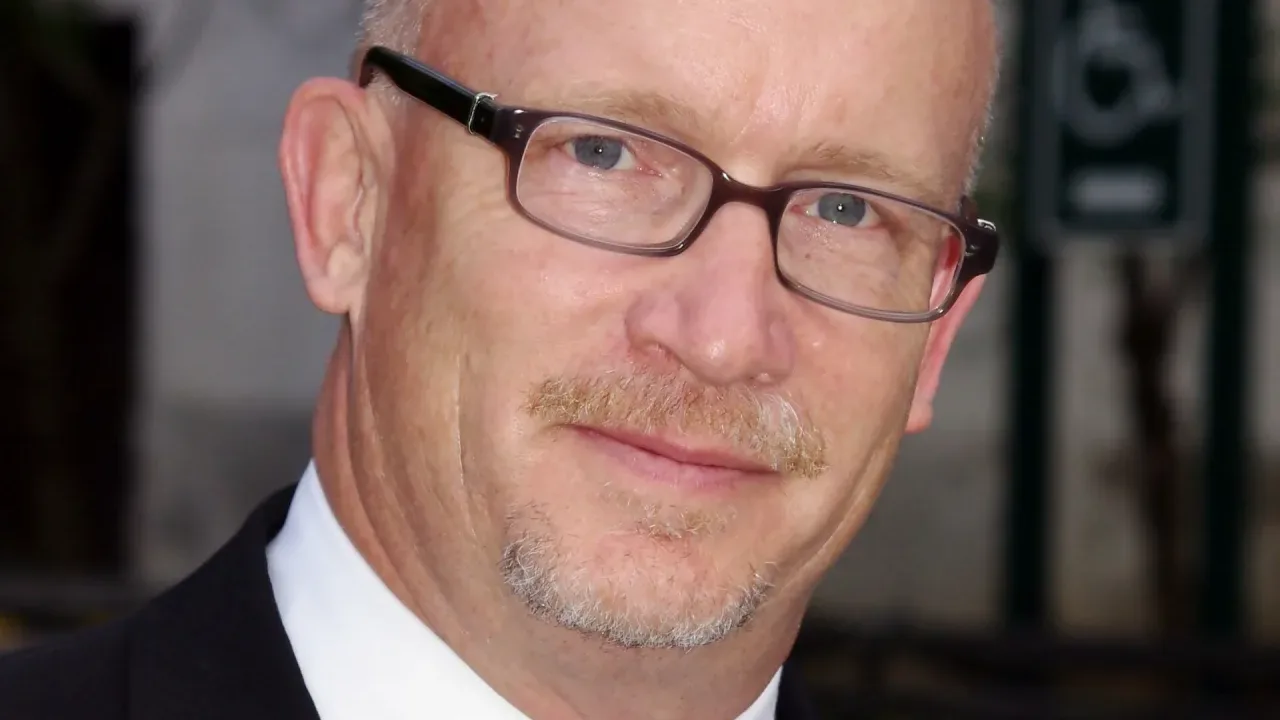
Oscar-winning documentarian Alex Gibney brought his sprawling four-hour examination of tech billionaire Elon Musk to theaters nationwide on Friday, following weeks of advertising hurdles across major digital platforms. The film, titled “Musk,” investigates how the Tesla and SpaceX executive acquired unprecedented economic, cultural and governmental sway.
Its release comes on the heels of distribution friction for indie studio Bleecker Street. According to a report by Salon, social networks including TikTok, YouTube, Meta-owned Facebook and Instagram, and Musk’s own platform X initially declined to sell ad space for the documentary. YouTube and Meta later reversed their decisions following coverage by The Hollywood Reporter on Sept. 25, while Musk previously dismissed the project as a “hit piece that misses.”
A simulated interview with a tech titan
Because Musk refused sit-down interview requests, Gibney and his team at Jigsaw Productions relied on creative technology to confront their subject on screen. Speaking on IndieWire’s “Screen Talk” podcast, Gibney explained that the filmmakers partnered with design studio MakeMake to build an artificial intelligence-assisted CGI avatar of Musk.
The animated figure, seated in a gamer chair, was synchronized to authentic audio recordings gathered from podcasts, speeches and public broadcasts. Gibney described the choice as an intentional nod to Musk’s public fascination with video games and simulation theory, telling IndieWire that the avatar reflected the broader themes of artificial intelligence explored in the production.
The documentary features interviews with several individuals who previously worked or lived alongside the billionaire, including his former wife Justine Musk and commentator Ashley St. Clair. According to Salon, their accounts depict an increasingly volatile figure operating at the center of critical modern infrastructure, from private spaceflight to satellite communications.
Expanding scope after political shifts
Gibney revealed that “Musk” was originally slated to run under two hours and was prepared for film festival screenings in early 2024. However, the production pivoted sharply after the July 2024 assassination attempt against Donald Trump in Butler, Pennsylvania, when Musk openly aligned himself with Trump’s campaign.
Encouraged by executives at HBO to keep filming, Gibney tracked Musk’s deepening involvement in national politics and his subsequent integration into the second Trump administration. Gibney told Salon that the political turn persuaded several hesitant insiders to speak on the record, prompting the director to rethink the movie’s scale and structure. He credited Guillermo del Toro’s take on the classic story of Frankenstein with helping him shape the film into a cautionary portrait of reckless ambition.
The documentary also scrutinizes Musk’s leadership of the ad hoc Department of Government Efficiency, or DOGE, a federal initiative that has since shuttered. In his IndieWire interview, Gibney noted concerns voiced by computer scientist Geoffrey Hinton regarding whether vast archives of federal citizen records gathered by DOGE personnel could be repurposed to train commercial artificial intelligence models or manipulate future electoral contests.
“Musk” opened against a backdrop of related cinematic examinations of tech leaders, debuting the same day as Nathan Fielder’s Theranos feature “You Can See Everything.” Whether the documentary shifts public perception of Musk or prompts regulatory scrutiny of his enterprises remains to be seen as the film continues its theatrical run.