Philadelphia Eagles quarterback Jalen Hurts has been ruled out of Sunday’s game against the Carolina Panthers after medical testing revealed movement in a superficial blood clot in his calf, the team announced Thursday.
Hurts first reported calf discomfort on Oct. 8 after being stepped on by a cleat during Philadelphia’s Week 4 loss to the Los Angeles Rams, according to a team statement reported by the New York Post. An initial ultrasound conducted Saturday in London before the team’s matchup against the Jacksonville Jaguars showed a small, superficial clot. Team medical personnel and local physicians determined Hurts could safely participate, and the quarterback played the entire game without restriction.
However, a mandatory follow-up ultrasound performed Wednesday evening back in Philadelphia detected that the clot had shifted, prompting the Eagles to sideline the Pro Bowl passer while doctors evaluate an appropriate course of care.
The Significance of Clot Movement
Medical experts note that the nature of the detected movement will dictate how long Hurts remains off the field. Dr. David Chao, a former team physician for the San Diego Chargers, told OutKick that the medical team’s choice of words points to two very different scenarios.
According to Chao, a superficial blood clot can enlarge or move while remaining within the superficial venous system. However, if the clot has migrated into deeper tissue, the diagnosis would shift to deep vein thrombosis, commonly called a DVT.
“If he has a deep vein clot, he’s out for multiple weeks, at least,” Chao told OutKick, adding that a deep vein clot carries the risk of traveling to the lungs to create a pulmonary embolism, which would likely end Hurts’ season.
Treatment Decisions and Playing Timelines
The primary hurdle for any football player dealing with a vascular issue is the treatment itself. Standard management for blood clots frequently involves anticoagulant medications, commonly known as blood thinners.
Dr. Jordan Schaefer, an associate professor of internal medicine and hematologist at the University of Michigan Health System, told USA TODAY Sports that potential anticoagulant therapy presents serious challenges in a collision sport. Blood-thinning drugs heighten the danger of uncontrolled traumatic bleeding, including severe internal damage or brain bleeds following routine hits.
Appearing on Philadelphia sports station SportsRadio 94WIP, Temple University sports medicine physician Dr. Ryan Schreiter estimated that if blood thinners are deemed necessary, a recovery window typically lasts between 45 days and three months to ensure the clot fully dissolves before contact can resume.
Philadelphia Turns to McKee
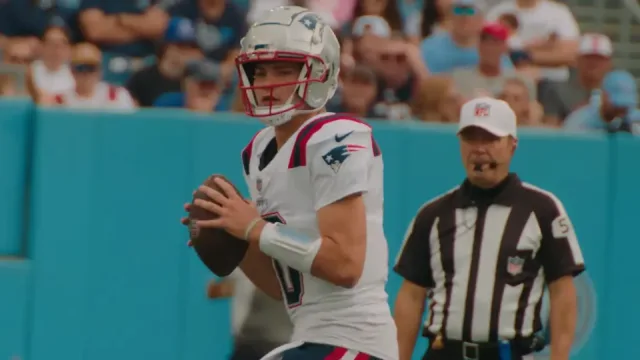
With Hurts unavailable, backup quarterback Tanner McKee will start against Carolina on Oct. 18. McKee originally worked with the reserve units during training camp and preseason play after veteran Andy Dalton was briefly signed and then released.
Hurts joins a growing injury list for Philadelphia, which fell to 2-3 after a 19-17 loss to Jacksonville. The Eagles had 24 players listed on their injury report as of Oct. 15, Delaware Online reported, with key starters including running back Saquon Barkley and receiver DeVonta Smith battling hamstring issues.
The Eagles said they remain in regular consultation with the NFL league office while specialists finish reviewing Hurts’ diagnostic scans to select a treatment plan.