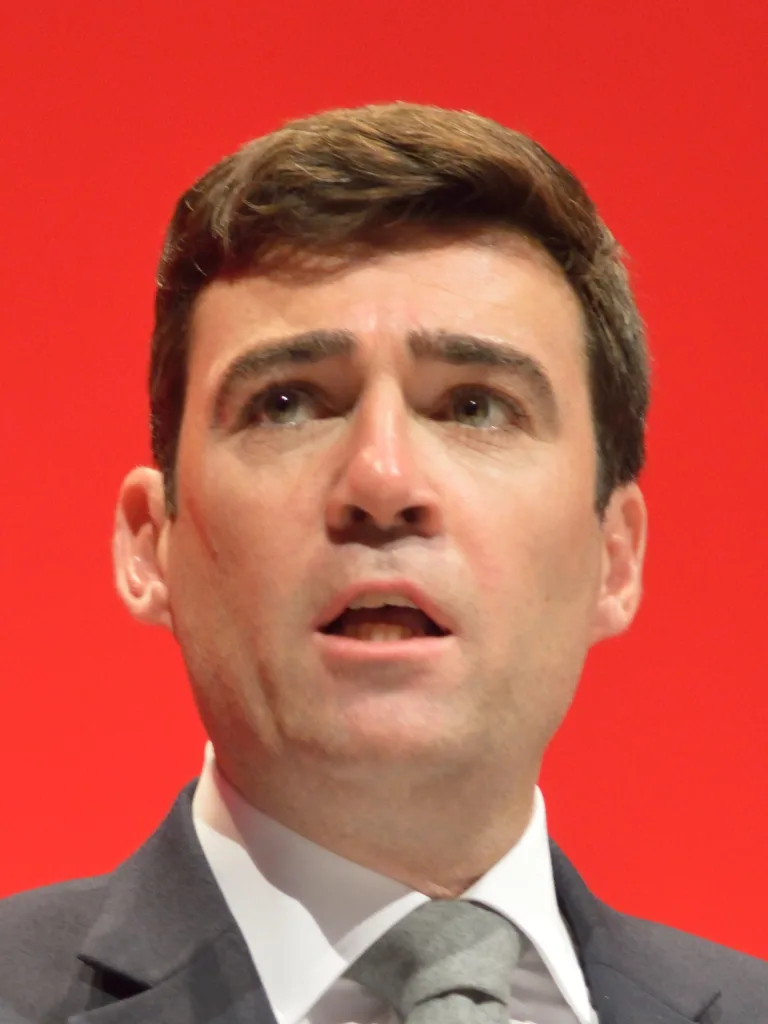
British Prime Minister Andy Burnham confirmed that Russia interfered in the United Kingdom’s 2016 European Union referendum, marking the first time a sitting U.K. leader has publicly acknowledged Kremlin meddling in the landmark vote, according to reports published Sunday.
Speaking on an upcoming episode of “The Rest is Politics” podcast, Burnham said he inquired about Moscow’s role after taking office at 10 Downing Street in July. The Guardian and other British media outlets reported excerpts from the interview ahead of its scheduled release on Monday.
“I asked the question coming to Downing Street: well, was there interference in the 2016 referendum from Russia?” Burnham said. “I’ve had the clear answer that yes, there was.”
The prime minister did not name who provided the assessment, outline the underlying intelligence, or state whether foreign activity swayed the final outcome of the vote, in which 52 percent of British voters opted to leave the EU.
Shift from Previous British Governments
Burnham’s remarks signal a sharp break from prior Conservative administrations, which routinely argued that there was no evidence proving Moscow successfully altered the referendum results. A 2020 report from Parliament’s cross-party Intelligence and Security Committee rebuked earlier ministers and spy agencies for not conducting a thorough inquiry into suspected Russian operations, contrasting the U.K. approach with federal investigations in the U.S. following the 2016 presidential election.
A Downing Street spokesperson declined to share specifics regarding intelligence briefings provided to Burnham, stating that national security remains the government’s primary obligation and emphasizing ongoing efforts to safeguard democratic institutions from hostile overseas influence, The Independent reported.
Campaigners who favor closer ties to Brussels welcomed the remarks. Richard Kilpatrick of the European Movement UK told The Independent that public acknowledgment confirmed long-standing concerns regarding overseas disruption. Best for Britain Chief Executive Naomi Smith called on pro-European figures to advocate for restoring U.K. membership in the trade bloc.
European Politics and Broader Meddling
The disclosure arrives as Burnham signals a potential pivot in British foreign policy. At the Labour Party conference last month, the prime minister suggested he would evaluate options to rebuild relations with Brussels and did not dismiss the possibility of seeking EU reentry in a future election platform.
Burnham also linked historical interference to current geopolitical dynamics in Europe. The prime minister said he discussed Russian influence during a visit to Berlin with German Chancellor Friedrich Merz, noting concerns over ties between Moscow and the far-right Alternative for Germany party.
“These things are important now to put clearly on the record and I believe help voters in Germany and France understand that some of this politics is instigated via our enemies, namely Russia,” Burnham said during the podcast.
The remarks follow Burnham’s address to the United Nations General Assembly in September, where he publicly accused Moscow of information warfare and cited evidence of Russian attempts to meddle in Britain’s 2019 general election.
While Burnham has formally put the Russian interference assessment on the record, the full scope of the intelligence and whether Downing Street intends to publish unclassified evidence remain unannounced.