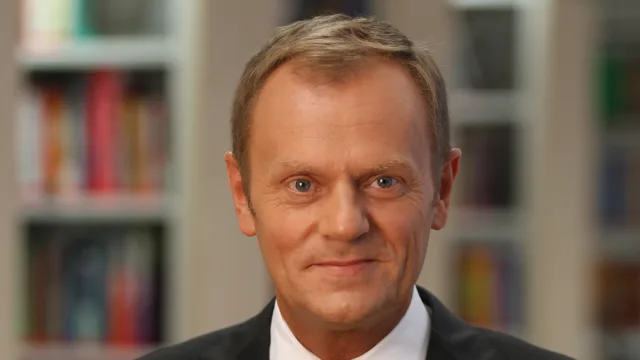
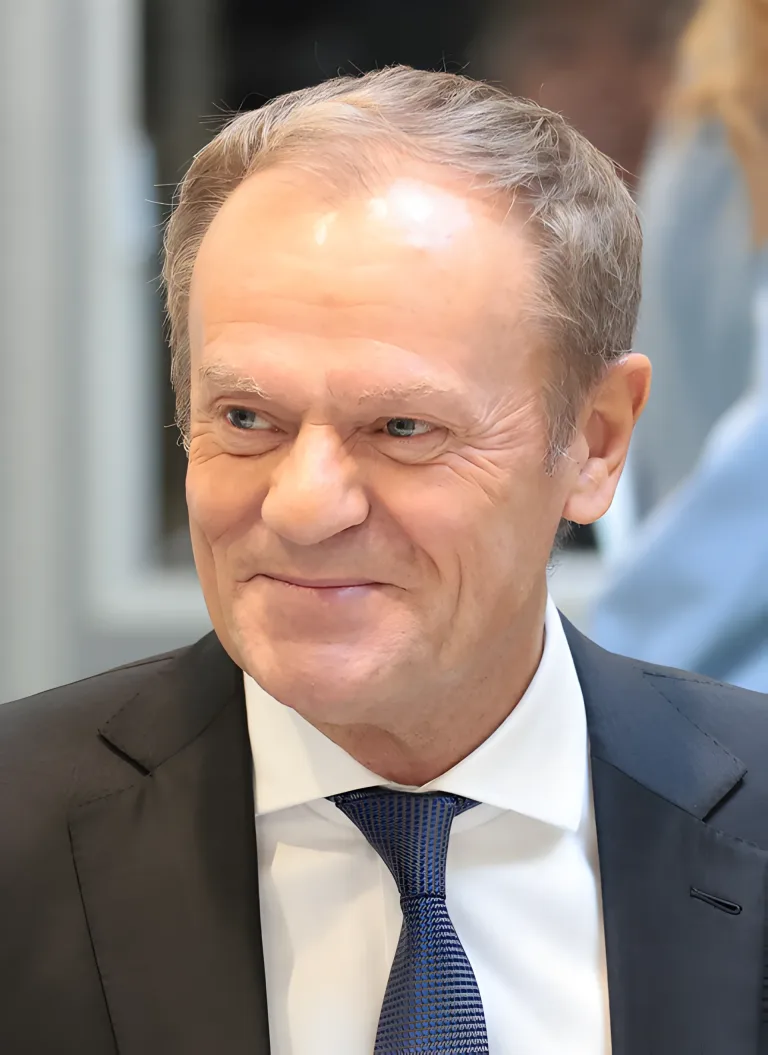
WARSAW, Poland — Polish Prime Minister Donald Tusk said Sunday that three school attacks in the country over the past week were spontaneous acts fueled by the online glorification of violence, as authorities detained 117 people nationwide amid heightened security measures.
Speaking during a Sunday crisis meeting with security officials, Tusk described the recent violence as uncoordinated but deeply concerning. According to reports from the BBC and ABC News, Polish police have inspected tens of thousands of schools across the country and taken 117 individuals into custody for carrying weapons or making threats against classmates and educational facilities.
A string of stabbings across central Poland
The wave of violence began Wednesday in Poland’s central Mazovian province, where a 19-year-old vocational school student injured nine people with a sharp weapon before police captured him nearby, ABC News reported. The following day, a 15-year-old armed with a knife attacked a primary school in Leszczydół-Nowiny, killing a 37-year-old custodian and wounding two others.
School director Krzysztof Ochmański eventually subdued the teenager, who had worn a camera to record the incident, CNN reported. Ochmański said the boy abruptly appeared to grasp what he had done, asking for help and embracing the administrator after the confrontation ceased.
A third incident occurred Saturday at a post-secondary institution in Warsaw, where a 21-year-old woman injured three people using a dangerous object, according to police statements cited by CNN and ABC News. Warsaw police spokesman Jakub Filipiak stated that the suspect did not know the victims and that none of the injuries were life-threatening.
Extremism and copycat behavior
Tusk linked the assaults to nihilistic violence driven by misanthropy rather than organized political plots, noting that several detainees had ties to ultraright circles. Investigators observed an increase in digital searches related to Nazi materials and convicted mass murderers who have gained followings on internet platforms, the BBC reported.
“In the past years and months, we have noted — globally and in Poland — a rise in the fascination with violence,” Tusk said.
Kacper Rekawek, a senior researcher at the International Center for Counterterrorism in The Hague, told The Associated Press that one suspect mimicked the symbols and visual presentation of Brenton Tarrant, the gunman who killed 51 worshippers at two mosques in Christchurch, New Zealand, in 2019. Rekawek described the incidents as copycat behavior fitting the framework of terrorist acts.
Online rumors alleging an organized campaign dubbed “Bloody Friday” led 59 schools across Poland to suspend classes at the end of the week, CNN and ABC News reported. Among those detained on Friday were a 14-year-old found carrying a concealed knife and 11 firecrackers, as well as a 16-year-old carrying a butterfly knife.
Heightened security and legal measures ahead
Interior Minister Marcin Kierwiński stressed that student safety remains the government’s top priority, confirming that stepped-up police patrols and voluntary backpack inspections will persist. Tusk announced that security sweeps at schools will continue into the coming week to deter potential copycats, while calling on parents and educators to talk openly with children about destructive online subcultures.
The prime minister also pledged to renew legislative efforts giving authorities the legal power to block harmful digital material. Meanwhile, Polish security agencies held a separate emergency briefing Sunday to assess what officials called a “deadly serious” threat made against Tusk and Defence Minister Wladyslaw Kosiniak-Kamysz, the BBC reported. Investigators have not released further details on that threat or whether it links to the recent school attacks.