A sudden reassessment of the artificial intelligence boom swept across Wall Street on Thursday, exposing deep vulnerabilities at the very top of the U.S. stock market. Even as the broader market demonstrated resilient breadth, heavy declines from mega-cap technology leaders illustrated how vulnerable benchmark indexes remain to shifting sentiment in Silicon Valley.
The tech-heavy Nasdaq composite tumbled 1.4 percent, while the S&P 500 slipped 0.3 percent for its first decline in four sessions. The Dow Jones Industrial Average dropped 132.54 points, or 0.3 percent. Yet those headline losses concealed an unusual divergence: four out of every five companies in the S&P 500 actually finished higher, Fortune reported. The headline slump was largely driven by a single heavyweight.
The price of the AI race
Alphabet suffered its steepest single-day drop since its shares began trading more than two decades ago, plunging 12.6 percent. The Google parent company reported surging cash expenditures after spending topped $51 billion on property and equipment during the third quarter, Yahoo Finance and Fortune reported. Despite revenue gains in its cloud division, investors reacted negatively to thinning free cash flow and a lack of immediate payoff from massive infrastructure outlays.
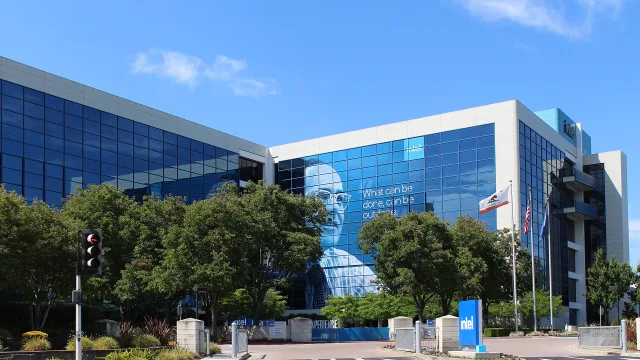
That pressure carried directly into extended trading Thursday night. Amazon shed more than 6 percent after falling short of quarterly profit and sales estimates, according to CNBC. The retail and cloud giant earned $1.89 per share on $201.94 billion in revenue, missing Wall Street targets while confirming plans to spend $220 billion in annual capital expenditures. Chipmaker Intel experienced an even harsher punishment, cratering roughly 21 percent in late trading after projecting fourth-quarter earnings and revenue far below analyst projections, CNBC reported.
Growing skepticism over borrowing and returns
The market reaction reflects a profound shift in how investors judge tech balance sheets. For more than a year, tech conglomerates were rewarded merely for announcing expanded data center projects and purchasing specialized processors. Now, rising borrowing costs and stubborn inflation have raised the financial stakes.
Yields on 10-year U.S. Treasuries eased to 4.94 percent Thursday after recently hitting 5.30 percent, their highest level since 2002, according to Fortune. The Federal Reserve held its benchmark interest rate unchanged on Wednesday, though two policymakers dissented in favor of a rate increase as the Personal Consumption Expenditures price index accelerated to 3.6 percent year over year, Yahoo Finance reported. High financing costs make multi-billion-dollar infrastructure gambles substantially more expensive to maintain.
Meanwhile, cyclical and defensive businesses outside big tech found solid footing. Industrial and consumer brands including Eli Lilly, DoorDash, Mastercard and Norwegian Cruise Line Holdings posted sharp gains on upbeat quarterly results, Fortune reported. However, because tech giants command disproportionate weight in market-cap-weighted indexes, their retreats quickly overwhelm broader market strength.
With futures declining heading into Friday, investors now face crucial questions about whether corporate balance sheets can endure hundreds of billions of dollars in AI outlays before those investments produce tangible, sustainable bottom-line returns.