Amazon shares dropped more than 5 percent in after-hours trading Thursday after the tech giant posted third-quarter profits and revenue that missed analyst estimates, weighed down by an unprecedented surge in capital expenditures for artificial intelligence infrastructure.
The company reported revenue of $201.9 billion for the period, falling short of Wall Street forecasts, according to Fortune. Net income landed at $20.7 billion, down from the same stretch last year, which Amazon attributed to valuation gains recorded a year earlier from its stake in artificial intelligence developer Anthropic.
Cloud revenue beats forecasts despite broader miss
The company’s cloud division, Amazon Web Services, remained a bright spot. Cloud revenue climbed 39.3 percent year over year to reach $45.98 billion, exceeding analyst expectations, according to StreetAccount and CNBC. Business Insider noted the increase marked the unit’s quickest annual expansion in nearly five years.
However, strength in cloud computing was overshadowed by softer numbers in other parts of the business. Advertising sales rose 12 percent from the prior year, missing expectations, Fortune reported. Furthermore, third-quarter results reflected the shift of Amazon’s annual Prime Day sales event, which took place in the second quarter rather than the third quarter this year.
Capex accelerates and drains cash reserves
The company maintained its projection to spend $220 billion on capital expenditures across 2026, CNBC reported. For the third quarter alone, Amazon directed $75.9 billion toward cash capital spending, largely for data centers and AI hardware, according to Chief Financial Officer Brian Olsavsky.
That colossal out多年lay has caused free cash flow to deteriorate sharply. Amazon recorded negative free cash flow of $42.4 billion for the trailing 12 months, according to company results cited by CNBC and Fortune. That represents a steep reversal from the positive $14.8 billion logged during the equivalent period a year ago.
“The cloud unit’s improving operating margin was one welcome signal, but it may not be sufficient to alleviate concerns about the sharp spike in capex spending and corresponding freefall of its free cash flow,” said Sky Canaves, a principal analyst at eMarketer, in a statement reported by Business Insider.
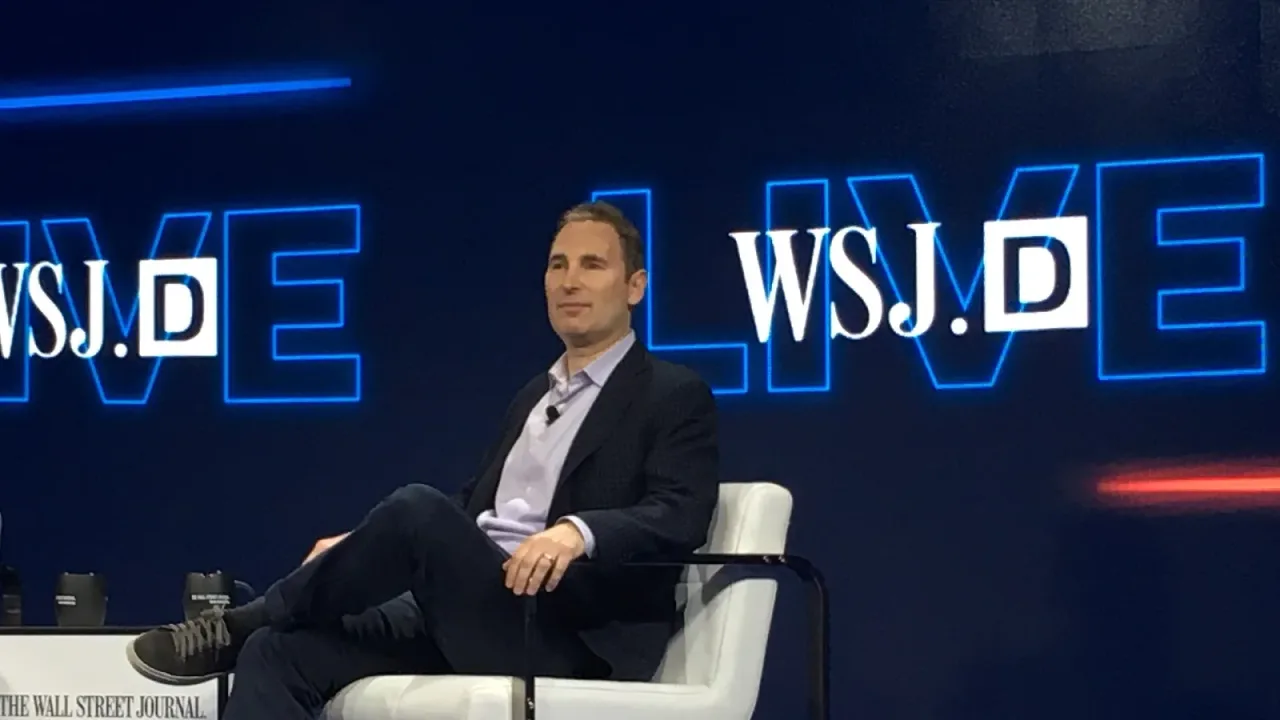
Despite investor unease, Chief Executive Andy Jassy told shareholders on an earnings call that the aggressive investments are essential to capture explosive customer appetite for machine learning capacity.
“We have very good visibility into 2027 and 2028 and some of ’29 too with respect to what customers want in those really big chunks of capacity,” Jassy said, according to Business Insider.
Jassy reiterated that Amazon expects to “spend meaningfully more in 2027,” adding that the leadership team maintains a “clear line of sight to attractive financial returns” as data servers become operational.
Subdued holiday guidance caps difficult quarter
Investors were further discouraged by an uninspiring outlook for the final months of the year. For the fourth quarter, which includes the critical holiday shopping window, Amazon forecast revenue between $240 billion and $247 billion. The midpoint fell short of the $244.5 billion consensus estimate compiled by LSEG.
Amazon projected fourth-quarter operating income between $28.5 billion and $33.5 billion, which Fortune reported was below Wall Street estimates.
To handle holiday e-commerce demand, the Seattle-based retailer recently announced plans to recruit 300,000 seasonal workers. Even so, Amazon has continued streamlining corporate headcount elsewhere, trimming 250 positions in its devices and services unit this week after eliminating roughly 1,000 retail roles earlier in the year.
Whether massive infrastructure bets will generate the long-term profits promised by management remains the key question as Amazon prepares for another year of elevated capital outlays.