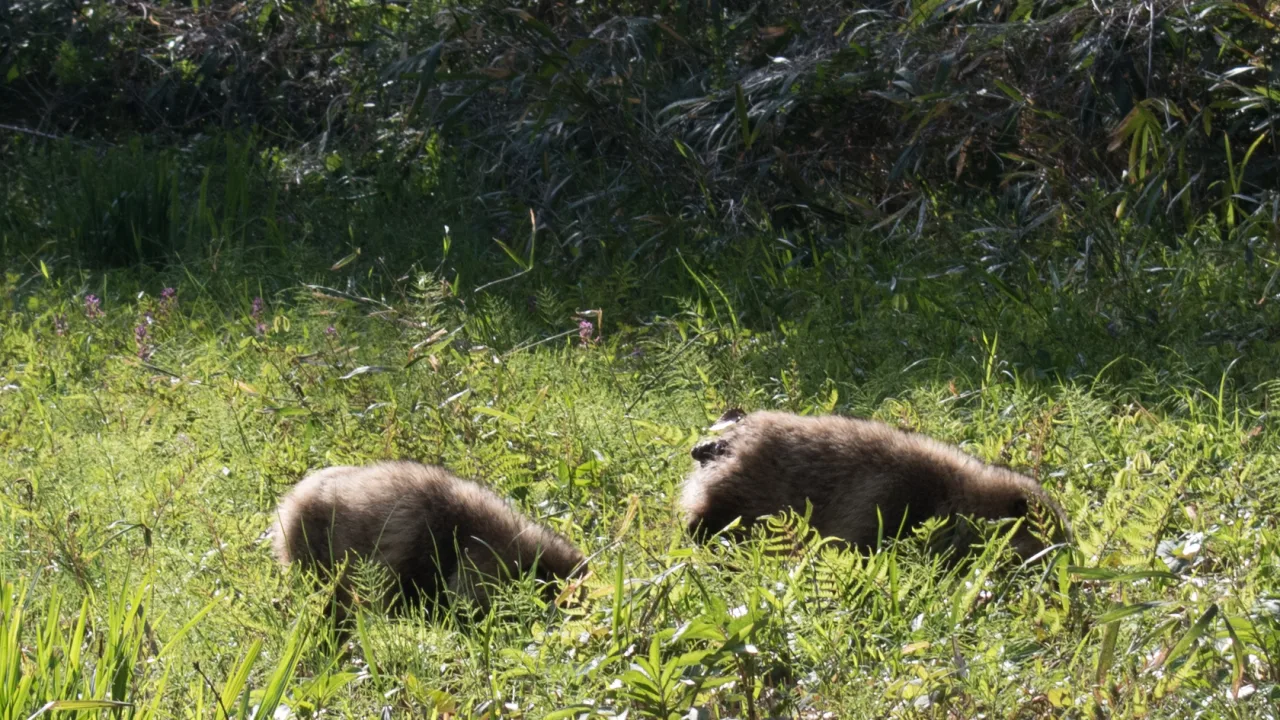
Public health officials in Los Angeles County confirmed that a second raccoon has tested positive for rabies in Westlake Village, prompting urgent warnings for residents to steer clear of wild animals and vaccinate their pets, local health authorities announced Friday.
The discovery comes less than a month after the county confirmed its first rabid raccoon in more than five decades in a neighboring backyard. That earlier case, detected in late September and announced in early October, marked the first known raccoon rabies case in the county since 1973, according to the Los Angeles County Department of Public Health.
Aggressive behavior and potential worker exposure
Unlike the first raccoon, which appeared sick but nonaggressive, the animal found Thursday in a residential backyard showed signs of sickness alongside aggressive behavior, ABC7 Los Angeles and the New York Post reported. County officials confirmed that while no homeowners or domestic pets were exposed, two individuals at a nearby jobsite may have encountered the animal. Both workers are receiving rabies post-exposure prophylaxis, a preventative series of vaccinations administered before symptoms begin.
Westlake Village municipal staff noted that county public health employees canvassed the surrounding neighborhood door to door to share safety instructions and advise neighbors. Lab tests established that the first raccoon caught a strain typically carried by bats. Results determining the viral variant in the second raccoon remain pending, according to county health records.
Record rise in bat infections
The consecutive raccoon cases arrive alongside unprecedented numbers of infected bats across Southern California. Los Angeles County has recorded at least 76 to 77 rabid bats this year, eclipsing the previous county high of 69 logged last year, health data shows. While late summer historically marks the peak window for detections, rabid bats can emerge year-round.
“The detection of rabies in another raccoon is an important reminder to never touch, handle, or feed any wild animals, even when they appear healthy,” Dr. Muntu Davis, the Los Angeles County health officer, said in a statement.
Before this autumn’s cluster, the most recent non-bat mammal confirmed to carry rabies in Los Angeles County was a skunk diagnosed in Long Beach in 2014, which had also contracted a bat strain. The skunk variant itself has not circulated within the county since 1979, officials said.
Prevention and warning signs
Health specialists emphasized that rabies is essentially 100 percent fatal in mammals once neurological signs emerge, but timely medical treatment following a bite or scratch reliably halts infection. Symptoms in humans initially mimic common illnesses with fever and headache before escalating into agitation, confusion, muscle spasms and difficulty swallowing.
Officials urged the public to adopt several preventive measures to limit risks around homes:
- Ensure dogs, outdoor cats and indoor pets receive updated rabies vaccinations.
- Secure household trash in tightly sealed bins and avoid feeding outdoor animals.
- Keep pet food dishes inside and seal structural openings or crawl spaces.
- Report any sick, injured or unusually acting wild animals directly to animal control.
Public health teams continue to monitor local wildlife populations while awaiting secondary laboratory results on the second raccoon’s viral strain.