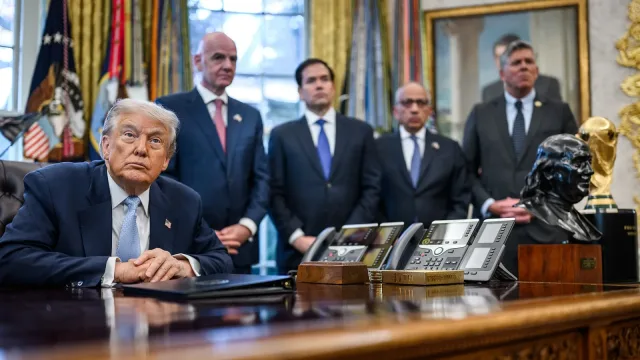
WASHINGTON — The Trump administration announced Friday that it is removing 50 percent tariffs on several Canadian imports vital to agricultural producers, an adjustment made less than a fortnight before the Nov. 3 midterm elections as Republican Sen. Susan Collins fights to retain her seat in Maine.
Under a presidential proclamation signed by President Donald Trump, the U.S. is granting tariff carveouts on Canadian goods such as crates, corrugated boxes, plastic bags, refrigeration machinery, sealing equipment, foil, and seaweed. The changes, enacted under a 96-year-old trade statute, will take effect Oct. 30, four days before voters decide whether Republicans or Democrats will control both houses of Congress.
To offset the exempted items, the administration is levying 50 percent duties on a different slate of Canadian goods, including carpets, waste materials, specific valves, vinyl flooring, shampoo, coffins, and window air conditioning units. White House spokesman Matthew Middleton said the adjustments serve to “further refine the scope of the tariffs” while confronting what the administration called Canada’s discriminatory trade practices.
Midterm Politics and the Maine Senate Race
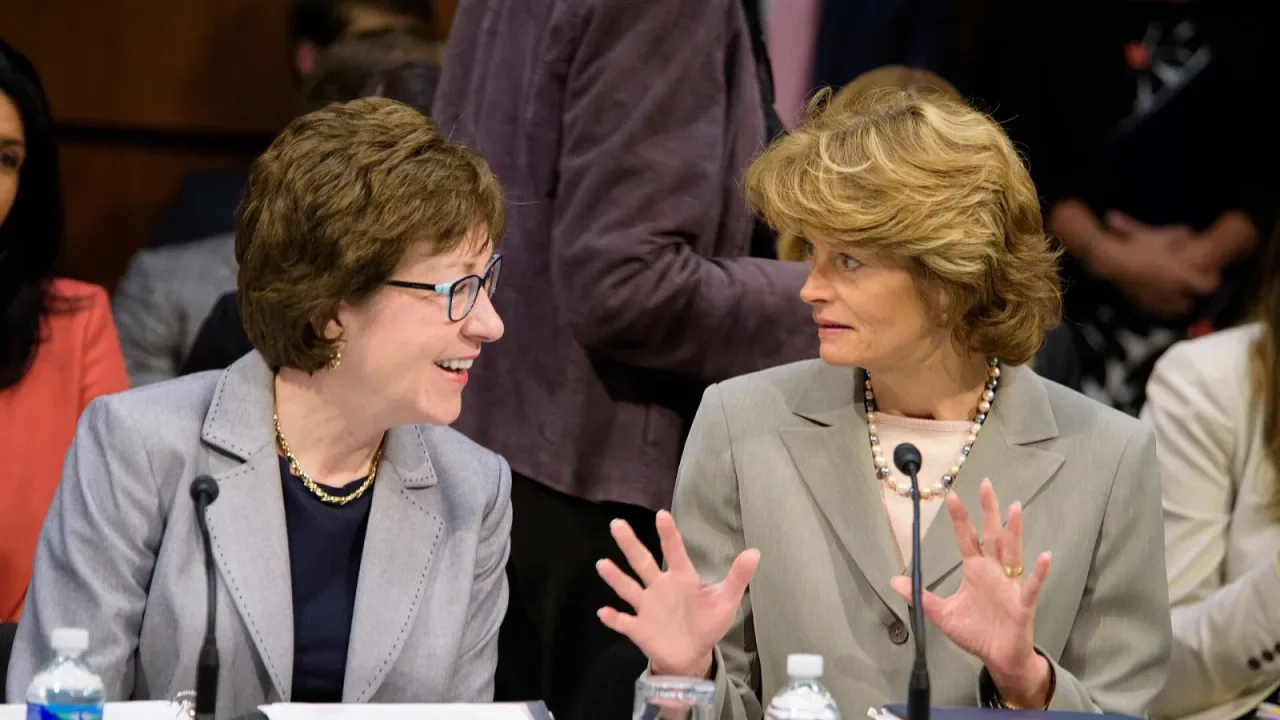
Collins, a moderate Republican seeking a sixth term in a blue-leaning border state, initially broke the news on social media and took credit for lobbying senior cabinet officials, including Commerce Secretary Howard Lutnick and U.S. Trade Representative Jamieson Greer.
“Many of our farmers and growers rely on specialized equipment, packaging materials, and other products from Canada that are either unavailable from American suppliers or cannot be replaced without incurring significant expense,” Collins said in a statement, noting that wild blueberry, potato, and apple growers depend heavily on the items.
Her Democratic challenger, Maine Senate President Troy Jackson, blasted the exemptions as an eleventh-hour political rescue attempt. Jackson argued Collins had repeatedly backed administration officials responsible for the cross-border confrontation.
“Trump’s trade wars have made life harder and more expensive for Mainers. Susan Collins enabled this chaos, voted to confirm the people behind it, and now wants credit for bringing a cup of water to put out the fire,” Jackson said in a statement. In past debates, Jackson had dismissed piecemeal exemptions, noting after an earlier carveout for road salt that Mainers “can’t eat road salt.”
Massachusetts Rep. Richard Neal, the ranking Democrat on the House Ways and Means Committee, called the shift a “desperate admission of failed trade policy” designed to aid an ally 11 days before the election.
Wider Trade War Dynamics
The cross-border economic clash escalated in late August after bilateral negotiations broke down, prompting Washington to slap sweeping 50 percent tariffs on Canadian imports and triggering retaliatory tariffs from Ottawa. While Maine businesses have suffered from disruptions with their northern neighbor, other Republicans in competitive contests, including Michigan Senate candidate Mike Rogers, have also called for the trade dispute to end.
Trump maintained on Friday that Canadian officials were working hard toward a resolution. Earlier in the fall, the president predicted Canada would eventually relent and offer apologies to secure relief.
Canadian Prime Minister Mark Carney has rejected that stance, telling reporters Friday that Canada is prepared to hold out for months or until a future administration if necessary to secure fair terms. Carney has sought alternative partnerships, opening trade outreach with China, India, and the United Kingdom, and is scheduled to meet European Union leaders next week in Montreal to discuss an associate membership arrangement.
Whether the White House’s selective tariff relief will sway voters in Maine or prompt broader diplomatic movement remains uncertain as both countries continue assessing the fallout before Election Day.