AUSTIN, Texas — Tesla posted a surprise positive free cash flow of $1.53 billion for the third quarter, buoyed by sharp reductions in planned capital spending even as rising technology costs cut deeply into operating profit, the company reported Wednesday.
Wall Street had anticipated a steep cash burn of $4.92 billion for the quarter, according to figures cited by financial outlets. Instead, the electric vehicle maker held capital expenditures to $4.73 billion, well below analyst estimates that ranged from $7.5 billion to nearly $8 billion.
Tesla shares fell nearly 5 percent in premarket trading on Thursday, Yahoo Finance reported, after closing down 1.8 percent in after-hours dealings Wednesday night.
Cash flow contrasts with profit squeeze
While cash generation exceeded expectations, profitability showed strain from the company’s aggressive development of automated systems. Operating income dropped 56 percent from a year earlier to $718 million, missing consensus forecasts, Business Insider reported. Operating margins narrowed to 2.6 percent as research spending surged roughly 70 percent.
Tesla nevertheless beat expectations on adjusted earnings per share, posting 48 cents against a consensus estimate of 44 cents. Adjusted earnings before interest, taxes, depreciation and amortization reached $3.9 billion.
Third-quarter revenue reached $28.05 billion. News reports noted minor disagreements among tracking services on how that compared to expectations, with the total exceeding an LSEG forecast of $27.88 billion but falling just short of a Bloomberg consensus figure of $28.13 billion.
Chief Financial Officer Vaibhav Taneja told investors that Tesla lowered its full-year capital expenditure forecast to $20 billion, down from an earlier target of $25 billion. Taneja said the company has secured $30 billion in borrowing capacity to finance future investments, though it does not plan to draw on those credit facilities before the end of the year.
Vehicle demand rebounds amid robotics push
Automotive deliveries rose to 486,532 vehicles in the quarter, keeping the automaker on track for its first annual delivery growth in three years. Tesla said it closed September with its largest passenger vehicle order backlog in four years.
Automotive gross margin excluding regulatory credits rose to 18.1 percent, topping analyst projections of 16.7 percent, according to data from Visible Alpha reported by the New York Post. The company cited resilient European demand despite the expiration of previous government tax subsidies.
Chief Executive Officer Elon Musk said active subscriptions for the company’s full self-driving package climbed to 1.74 million, calling the software the primary driver of automotive demand.
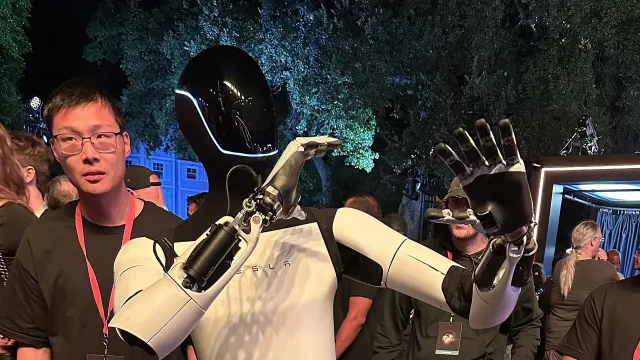
Tesla also announced that manufacturing of its Optimus humanoid robot has begun at its assembly plant in Fremont, California. Musk stated on the conference call that reaching an annual production pace of 1 million units, or 20,000 robots weekly, will likely require at least a year.
SpaceX merger talks loom
The financial update arrived one day after Musk confirmed that special committees composed of independent board members have formed at both Tesla and SpaceX to evaluate a potential merger between the two companies.
Musk, who oversees both firms, said on a SpaceX investor call Tuesday that he is recused from the committee discussions due to his ownership stakes in each entity. While analysts noted that a deal faces significant regulatory and valuation hurdles, some market observers suggested Tesla’s cash preservation could alter the transaction’s financial dynamics as SpaceX readies capital-heavy projects of its own.
Musk indicated that Tesla’s capital expenditures will rebound in coming years to support robot production, computing infrastructure, driverless Cybercab fleets and a joint chip manufacturing plant planned with SpaceX.