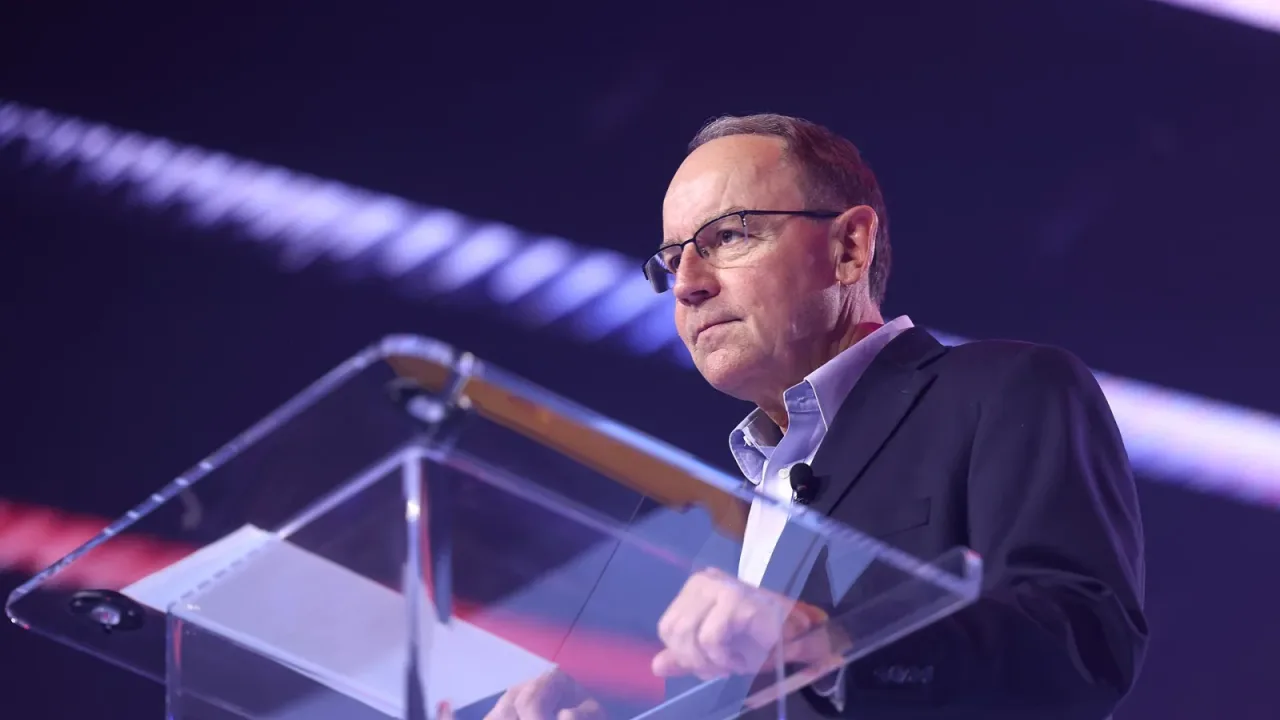
MILWAUKEE — Democratic Milwaukee County Executive David Crowley and Republican U.S. Rep. Tom Tiffany faced off Wednesday night in their lone gubernatorial debate, clashing sharply over affordability, abortion access, immigration and past elections in a high-stakes contest to lead Wisconsin.
The hourlong event, hosted by WISN 12 News at Marquette University Law School’s Eckstein Hall without an in-person audience, marked the only head-to-head forum before Election Day on Nov. 3. Crowley and Tiffany are vying to succeed retiring Democratic Gov. Tony Evers in Wisconsin’s first open gubernatorial contest since 2010. The race remains tight, with a recent Marquette University Law School survey showing Crowley at 49 percent and Tiffany at 46 percent among likely voters, a gap within the poll’s 4.8 percentage point margin of error, WBAY reported.
Debate over taxes and state surplus
With pocketbook issues dominating voter concerns, the candidates sparred over what to do with Wisconsin’s projected budget surplus of nearly $3 billion. Tiffany called for returning all surplus funds to residents through permanent tax relief rather than one-time payments.
Tiffany proposed income tax reductions for middle-income households, ending taxes on tips and overtime, and eliminating what he described as a long-term property tax burden. “We’re going to put more money into people’s pockets,” Tiffany said during the broadcast.
Crowley countered that state revenue should fund public services and ease daily expenses for working families. He advocated using the surplus to fund public schools, lower local property taxes, and assist with child care and health care expenses. “We need to make sure that everybody in the state of Wisconsin can get access to groceries, can afford a roof over their head,” Crowley said, pushing for a fairer tax structure.
Crowley repeatedly tied Tiffany to federal policies championed by President Donald Trump, citing the congressman’s vote for federal legislation that cut funding for health care and nutritional assistance. In response, Tiffany accused Crowley of pushing expensive government programs and argued his opponent sounded “like a socialist,” pointing to Crowley’s narrow summer primary victory over state Rep. Francesca Hong.
Disagreements on elections and abortion
The debate grew heated when moderators pressed Tiffany on his congressional vote against certifying the 2020 presidential election results. Tiffany defended his stance by pointing to concerns regarding absentee voting practices and private election grants, which he referred to as “Zuckerbucks,” according to NBC News.
Crowley sharply condemned that explanation, arguing Tiffany sought to discard legitimate Wisconsin votes over a policy dispute regarding funding. Despite the disagreement, both candidates pledged on stage that they would certify the results of the 2028 presidential race regardless of which party wins.
On reproductive rights, Tiffany stated he supports Wisconsin’s current law restricting abortion after 20 weeks of pregnancy. Though Tiffany previously backed six-week bans in the U.S. House, he pledged he would not sign a six-week ban if elected governor. Crowley reiterated his commitment to work toward a state constitutional amendment preserving reproductive freedom. Asked if he would sign a bill with no gestational limits, Crowley declined to give a direct yes or no, saying he did not believe such a measure would ever reach his desk.
Immigration, development and next steps
The candidates also diverged on criminal justice and immigration enforcement. Tiffany said he would require local and county authorities to honor federal immigration detainers. Crowley opposed municipal contracts with U.S. Immigration and Customs Enforcement and called for judicial warrants, while clarifying he does not favor a total ban on interagency cooperation.
Regarding data center development, both candidates urged protections for farmland and local decision-making, though Crowley favored pausing construction during environmental assessments and removing sales tax breaks, while Tiffany pledged to eliminate taxpayer subsidies.
Crowley and Tiffany now enter the final stretch of campaigning as voters decide whether to keep the governor’s office in Democratic hands or send a Republican to the state capitol next month.