The Orionid meteor shower reaches its peak overnight into Thursday morning, giving skywatchers a chance to witness celestial fireballs created by dust from Halley’s comet. Astronomers note that the annual display delivers some of the fastest shooting stars of the year, although both moonlight and regional weather patterns could limit visibility for many observers across the United States.
According to the BBC, the Orionids take place each year when Earth crosses paths with the stream of dust left behind by Halley’s comet during its voyage around the sun. When these comet fragments plunge into Earth’s atmosphere at roughly 41 miles per second, atmospheric friction incinerates them, creating swift, luminous streaks across the dark sky. The display frequently features fireballs and glowing trails of ionized gas that remain visible for several seconds.
How and when to watch the Orionids
Skywatchers do not need specialized equipment such as telescopes or binoculars to observe the shower, the BBC reported. In fact, standard optical gear restricts the field of vision too severely, making the naked eye the most effective tool. Observers are advised to travel to open areas far from city lights and allow about 20 minutes for their eyes to adapt to the darkness.
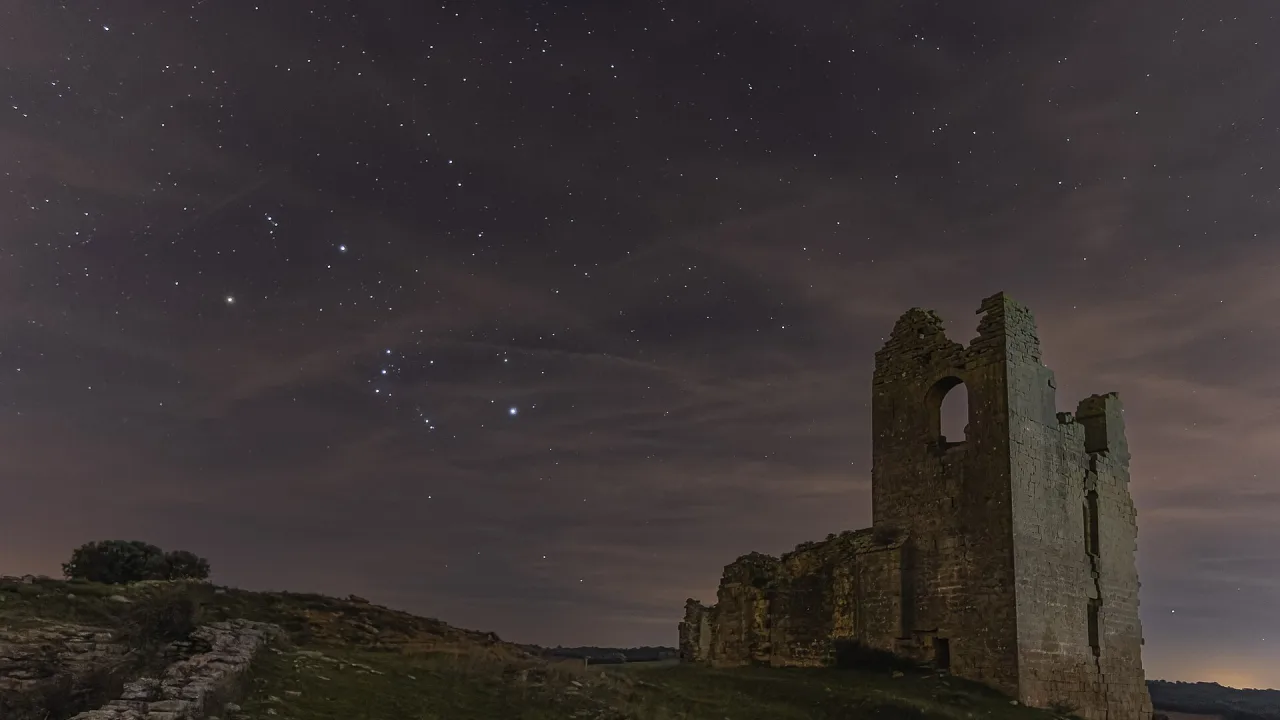
The meteors seem to radiate from the constellation Orion, specifically near Betelgeuse, a prominent red supergiant star. The radiant climbs progressively higher toward the south and southwest between midnight and dawn. Viewing experts suggest glancing slightly away from Orion rather than directly at it, as shooting stars that travel farther from the radiant often leave longer trails.
Natural lighting will present an obstacle for observers during the first half of the night. The BBC reported that the moon is in its waxing gibbous phase on Wednesday night, scattering bright illumination across the sky and washing out fainter meteors. Visibility is expected to improve notably during the predawn hours once the moon drops below the horizon.
US weather and cloud cover outlook
Terrestrial weather will also play a deciding role in who gets to view the shower. A forecast from The Weather Channel indicates that much of the central and eastern U.S. will experience favorable, clear conditions in the early morning hours of Thursday.
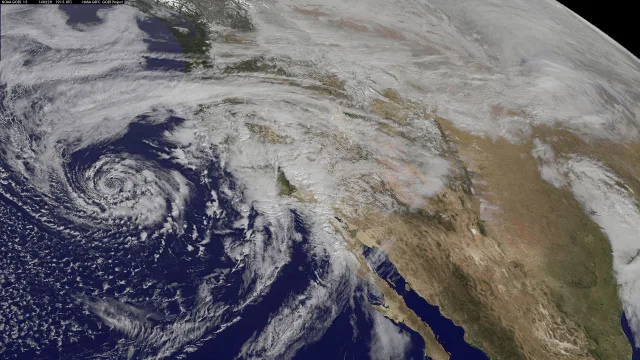
However, multiple storm systems could disrupt plans elsewhere. In the Western U.S., a surge of tropical moisture is bringing rain and storm activity, creating localized flood hazards across sections of California, Nevada and the Four Corners region on Wednesday and Thursday. The Weather Channel warned that heavy cloud cover will obscure prime dark sky locations throughout the Four Corners, while coastal clouds could also impact spots in Oregon and Washington.
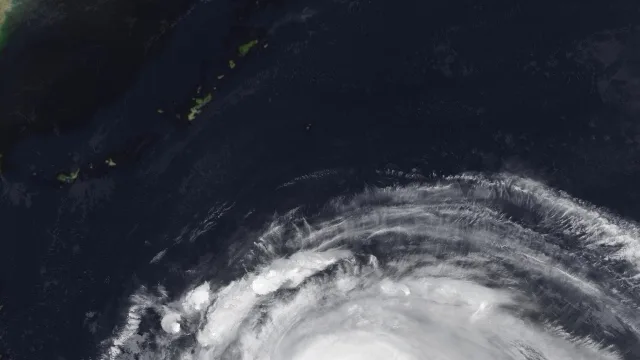
On the Atlantic seaboard, a developing nor’easter lingering offshore is anticipated to produce overcast skies from New York City northward into New England. For stargazers in regions facing cloud cover or rainfall, viewing conditions will remain difficult until local weather patterns clear later in the week.