Nearly a quarter of individuals dealing with severe depression may have a distinct form of the illness driven by disruptions to their internal biological clocks, according to a major Australian study published Wednesday in The British Journal of Psychiatry.
Researchers at the University of Sydney’s Brain and Mind Centre analyzed clinical and genetic records from 11,380 participants in the Australian Genetics of Depression Study. They identified a cluster of symptoms and biological markers pointing to what they term “circadian depression,” an illness profile that appears less responsive to standard antidepressant medications.
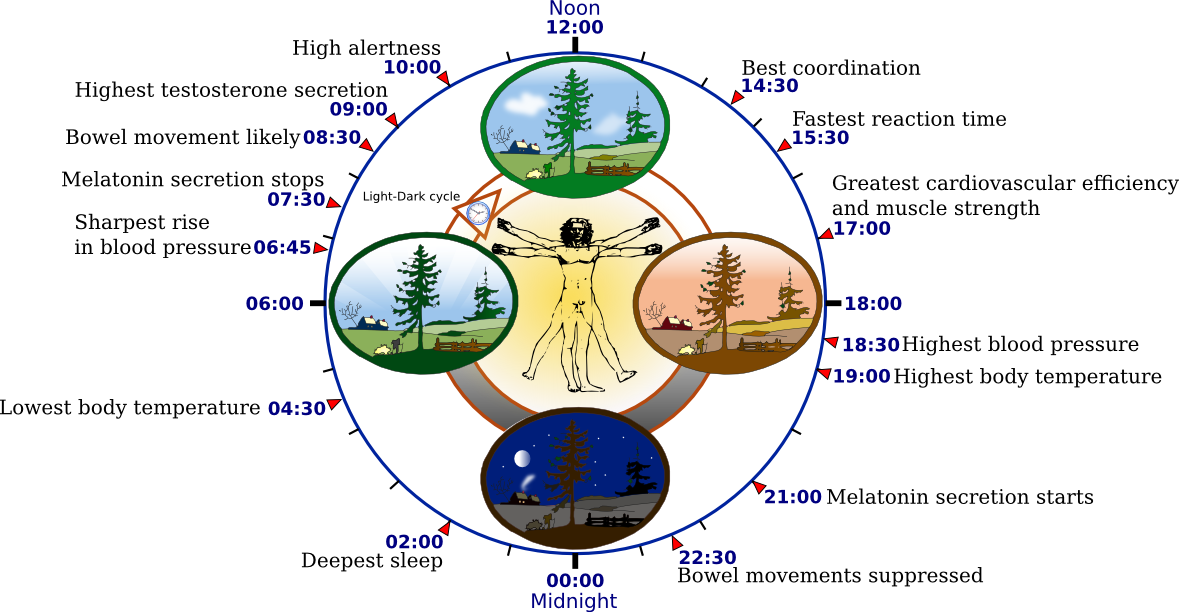
The scientists classified participants under the proposed subtype if they met at least three of six criteria: shifting symptoms across seasons, delayed sleep timing, excessive sleeping during depressive episodes, being a natural night owl, waking up exhausted, and experiencing social jet lag, which occurs when work-week sleep schedules diverge sharply from weekend routines. Out of the total cohort, 2,604 people, or roughly 23 percent, met the definition.
Earlier onset and distinct genetic profile
Patients categorized with the circadian subtype tended to develop mental health struggles earlier in life, around age 19 on average, compared to age 23 for those without the condition, Live Science reported. They also reported heavier psychological distress, frequent thoughts of suicide, weight fluctuations, and occasional manic-like or psychotic-like episodes.
Genetic analysis based on saliva samples revealed that those in the circadian subgroup carried higher polygenic risk scores for conditions including attention-deficit/hyperactivity disorder, anxiety, and bipolar disorder. They also showed elevated genetic markers linked to systemic inflammation, insulin resistance, and higher body weight.
“This is important because that indicates that circadian depression is not just depression with bad sleep, but actually there is an underlying biology that is quite distinct from other forms of depression,” said lead study author Dr. Emiliana Tonini in a press briefing reported by The Guardian.
Patients fitting the subtype also reported worse experiences with traditional first-line psychiatric medications, including selective serotonin reuptake inhibitors (SSRIs) and serotonin-norepinephrine reuptake inhibitors (SNRIs). According to the study, these patients experienced poorer symptom relief and suffered more side effects, including nausea, drowsiness, and weight gain.
Rethinking treatment strategies
Senior study author Prof. Ian Hickie noted that standard guidelines routinely treat major depression as a singular condition, often assuming that anxiety is the primary underlying driver. However, when a disrupted internal clock is the core biological issue, interventions aimed directly at circadian biology may prove far more beneficial.
Such chronobiological therapies include morning bright-light therapy, consistent meal schedules, structured sleep routines, and melatonin supplementation. “What is critical about being in this circadian type is its poor response to the standard therapies, those which are typically recommended in the guidelines,” Hickie said, according to The Guardian.
Independent experts cautioned that while the findings are intriguing, the proposed subtype is not yet ready to guide clinical practice. Outside researchers noted that the team relied on participant self-reports rather than direct physiological measurements of biological clock timing, such as melatonin levels in saliva. In addition, the participants analyzed were limited to genetically inferred European ancestry, meaning additional studies are necessary to evaluate whether the findings hold across diverse populations.
Scientists also stressed that any adjustments to sleep patterns or circadian routines should complement existing psychiatric care rather than replace prescribed treatments without medical oversight. Further clinical trials will be needed to verify whether targeting the sleep-wake cycle improves outcomes for this newly defined group.
If you or someone you know is in crisis, call or text 988.