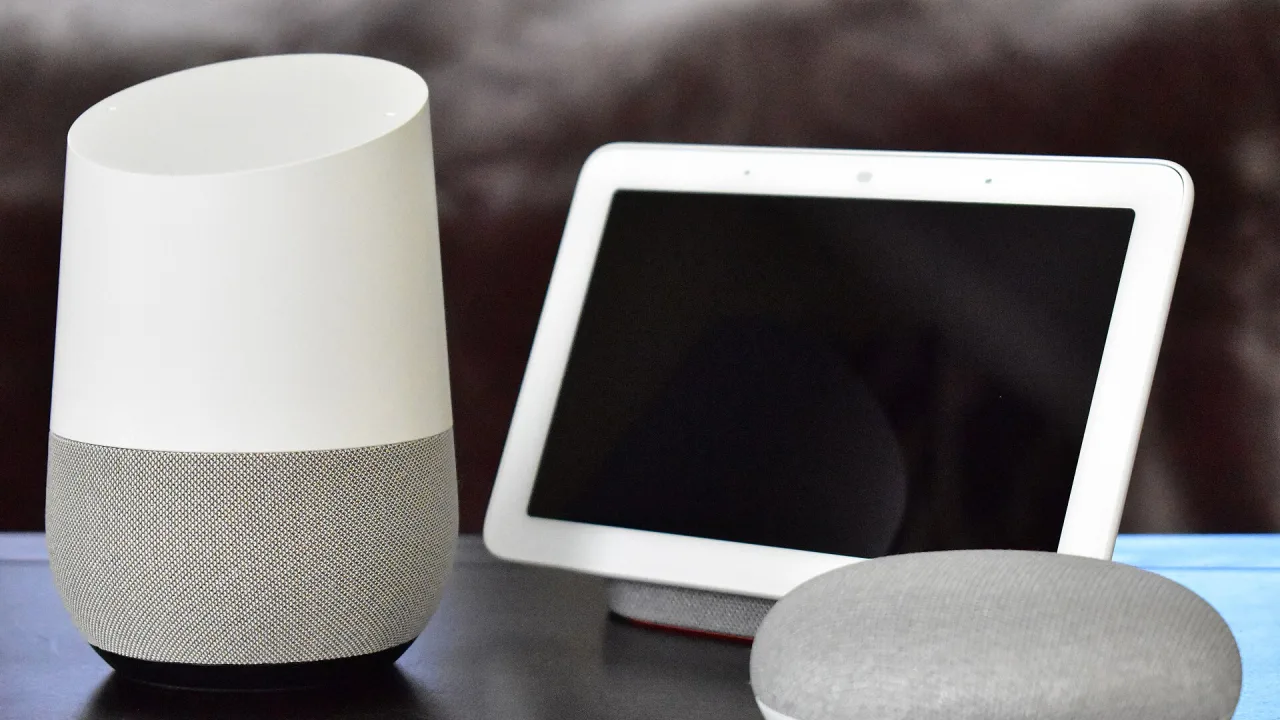
Google is deploying a software patch after customers discovered that some of its smart speakers have been quietly downloading hundreds of gigabytes of data in the background, according to reports from tech outlets and device owners.
The problem, which emerged over the past week on Reddit and was reported by tech site 9to5Google, appears to trigger continuous background downloads from company servers. While the devices sit idle on home networks, they can consume massive amounts of bandwidth without owner interaction.
Google acknowledged the glitch and indicated that an update is already on the way to resolve the behavior. In a statement provided to 9to5Google, the company said that “a fix is already rolling out that should address this for users.”
Surging data usage on idle devices
Testing and user monitoring revealed severe spikes in network activity on affected units. In one case documented by 9to5Google, an affected Google Home Speaker consumed 17 gigabytes in a single 24-hour window, despite not being used for music streaming or voice queries. Nearly 10 gigabytes of that total was pulled down during a single burst at 3 a.m. Pacific Time.
The same speaker registered 41 gigabytes of traffic on Oct. 13, bringing its 30-day network total to 132 gigabytes. Meanwhile, reports on Reddit detailed even larger transfers. One user noted that an impacted speaker swallowed more than 200 gigabytes in a single day, while another user with 14 Google-branded speakers found that a new model moved 25 gigabytes across 24 hours while completely idle.
By comparison, baseline usage on unaffected hardware is far lower. A separate, lightly used speaker in a different household monitored by 9to5Google consumed just two gigabytes during an entire month. The Verge also reported that an editor’s personal speaker operated normally without abnormal traffic.
Suspected cause and broadband risks
While Google did not detail the underlying technical flaw, outlets reported that the behavior likely stems from repeated, failed attempts to download and install device firmware. Smart speakers frequently check for software patches during early morning hours, which aligns with the observed 3 a.m. activity spikes.
The issue appears concentrated primarily on the latest Google Home Speaker hardware. Other Google and Nest smart home products, including Nest Hub displays located in the same homes as impacted speakers, did not exhibit the runaway download pattern, according to 9to5Google.
The excessive downloads pose a direct challenge for consumers whose internet service providers impose monthly data limits. Because smart speakers generally function without a screen, owners have no obvious way of knowing their hardware is caught in a download loop unless they proactively monitor network hardware. Households that hit their provider limits could face throttling or overage charges.
Monitoring home networks
Tech reporters advised consumers to inspect their local routers to verify how much data connected devices are pulling. For households using Nest Wifi hardware, 9to5Google noted that users can monitor data by opening the Google Home app, selecting the Wifi tab at the top, tapping on devices, choosing their speaker, and inspecting the device usage graphs across one-day, seven-day, and 30-day views.
It remains unclear precisely how many users have been impacted worldwide. The Verge reported reaching out to Google to seek further information regarding the root cause and a full confirmation of which models are susceptible to the glitch.