RIYADH, Saudi Arabia — Saudi Arabia on Monday postponed its premier international finance summit until 2027 following a wave of missile and drone attacks by Iran-backed Houthi fighters, according to organizers and media reports.
The Future Investment Initiative, widely known as the kingdom’s flagship business event, had been scheduled to run from Oct. 26 through Oct. 29 in Riyadh. The gathering was planned as a milestone tenth edition designed to convene major global executives, including leaders from JPMorgan Chase, Goldman Sachs, BlackRock, Blackstone and Citigroup.
In an official statement Monday, Princess Maha Bint Mishari Al Saud announced the delay, explaining that the decision stemmed from “a deep commitment to our partners, members, speakers, and delegates.” Organizers stated that new dates for 2027 would be announced shortly, emphasizing an intention to safeguard the scale and quality expected by attendees.
Mounting Security Concerns After Airport Strike
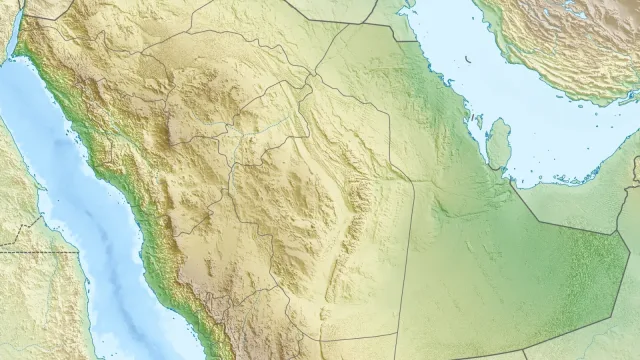
The postponement follows an Oct. 10 strike on King Khalid International Airport in Riyadh by Yemen-based Houthi militants. Casualty reports from the assault varied across media accounts. The Wall Street Journal and the Associated Press reported that the strike killed at least 13 people, while CNBC reported that at least 12 people died. More than 300 individuals were injured in the blast, news organizations reported.
Violence escalated further over the weekend. Saudi authorities confirmed that another incoming projectile struck the southern border city of Najran on Sunday, leaving six people wounded, according to the New York Post.
The regional turbulence has intensified amid wider hostilities involving the U.S. and Iran, which contributed to the breakdown of an informal truce that had largely paused fighting between the Saudi-led coalition and Houthi forces since 2022.
Faced with missile threats near the capital, Western financial firms began reassessing travel plans. Teams advising JPMorgan Chase Chief Executive Jamie Dimon and Citigroup Chief Executive Jane Fraser actively debated whether top leaders should attend in person, the Journal reported. Bankers had already started canceling peripheral appointments over safety risks, while others worried that prominent commercial centers and hotels in Riyadh could become targets.
Travel logistics had also grown strained. Some overseas participants contemplated flying into neighboring Bahrain and taking a five-hour overland drive into Riyadh to avoid the Saudi capital’s commercial airspace, CNBC reported.
Economic Ambitions and Regional Disruption
The delay delivers a notable setback to Crown Prince Mohammed bin Salman’s push to attract foreign capital for his Vision 2030 initiative, which aims to diversify the kingdom’s oil-reliant economy. Saudi Arabia brought in roughly $33 billion in foreign direct investment last year, falling short of its goal to reach $100 billion annually by 2030, according to Reuters figures cited by the New York Post.
Since its launch in 2017, the annual summit has served as a primary platform to showcase Saudi modernization and announce multibillion-dollar commercial commitments. Last year’s conference drew over 9,000 attendees and featured more than $50 billion in projected transactions and pledges, organizers noted.
The event previously survived geopolitical turbulence in 2018, when numerous Western executives boycotted the forum after the killing of journalist Jamal Khashoggi, though many returned in subsequent years.
The current escalation has interrupted a broader lineup of high-profile gatherings across the kingdom. Recent disruptions have hit Riyadh Fashion Week, the Six Kings Slam tennis tournament, the PIF Saudi International golf tournament and planned diplomatic talks between Gulf Arab officials and European Union representatives, the Journal reported.
Organizers have not yet specified exact dates for the rescheduled 2027 gathering or clarified whether intermediate virtual sessions might be arranged before next year.