WASHINGTON — The Trump administration defended its decision to waive fresh economic penalties on Moscow, describing the move as a diplomatic tool to encourage peace talks rather than financial relief for the Kremlin, ABC News reported Sunday.
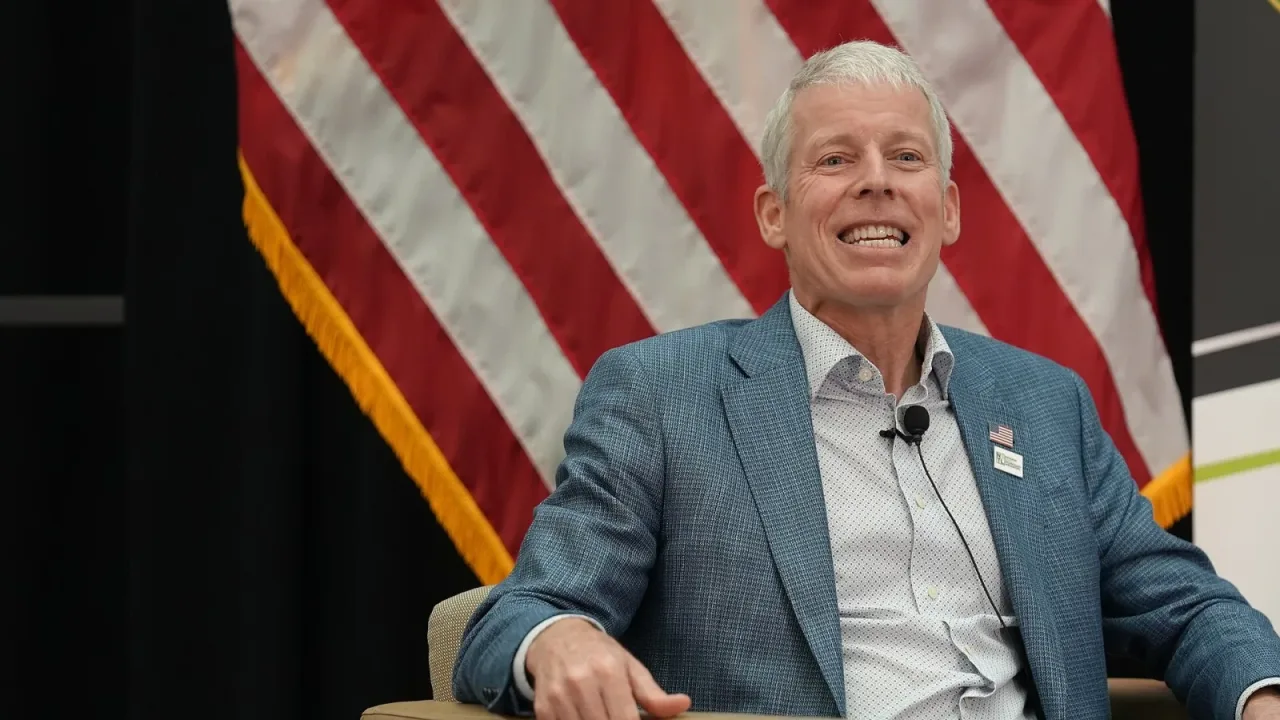
Energy Secretary Chris Wright pushed back against critics during an appearance on ABC News’ “This Week,” following President Donald Trump’s late Friday executive order that paused the implementation of new tariffs and sanctions just two days before they were scheduled to take effect.
“This is a carrot to try to end a war. It’s not an economic lifeline for Russia,” Wright told anchor Martha Raddatz.
Dispute over wartime leverage
The waived economic measures had been mandated by legislation named after the late Republican Sen. Lindsey Graham, which Trump signed into law exactly one month prior. The abrupt pause drew sharp condemnation from Ukrainian officials and members of Congress, including Graham’s sister, Darline Graham, who was appointed to replace him in the Senate.
Speaking Saturday, Sen. Graham said she opposed the president’s decision to ease penalties on Moscow. “Personally, I would choose to keep the pressure on Russia to end the war and get the gas prices down, because I don’t trust Putin and don’t trust Russia,” she said, according to ABC News.
Ukrainian President Volodymyr Zelenskyy also criticized the exemption, telling the network that Trump’s executive action was “wrong” and asserted that “it definitely helps only the Russians.”
Wright maintained that the waiver still creates economic incentives for Russia to seek an end to fighting. Under the administration’s framework, Wright argued that Moscow can only capitalize on the policy shift if it exports diesel fuel, which would force difficult operational trade-offs for the Russian military.
“The only way Russia gets benefit from this move means they have to export diesel, which means they have to either consume less diesel internally, reduce the war effort, or have an ability to repair their refineries, which they only can get to through a peace agreement with Ukraine, an energy ceasefire, or a step towards peace,” Wright said.
Fuel costs and trade tensions
The sanction waiver followed an announcement by Trump one week earlier regarding an agreement to eventually import millions of tons of Russian diesel, despite a 2022 federal statute that prohibits Russian energy imports into the United States. The domestic retail price of diesel has averaged more than $6 a gallon across the country.
The diesel plan sparked bipartisan pushback on Capitol Hill. Zelenskyy characterized the agreement as a “birthday gift” to Russian President Vladimir Putin. Zelenskyy also challenged Trump’s assertions that Ukrainian drone strikes against Russian refineries are driving up global energy prices, arguing on “This Week” that soaring costs stem from conflict in the Middle East.
U.S. fuel costs began climbing sharply after the nation entered a war with Iran in late February. Trump, however, has publicly criticized Ukraine’s strikes on Russian refining facilities, blaming those military actions for price spikes.
Rejecting claims that the administration is capitulating to Moscow, Wright argued that existing sanctions remain rigorous and that traditional approaches have failed to halt the conflict after four and a half years and an estimated 1.5 million casualties. He acknowledged widespread public anger over high gas and diesel prices, noting the administration is exploring varied solutions while alleging past Democratic policies made energy more expensive.
It remains unclear how quickly any Russian diesel imports could arrive in American ports given current statutory prohibitions, or whether congressional leaders will take legislative steps to challenge the president’s waiver.