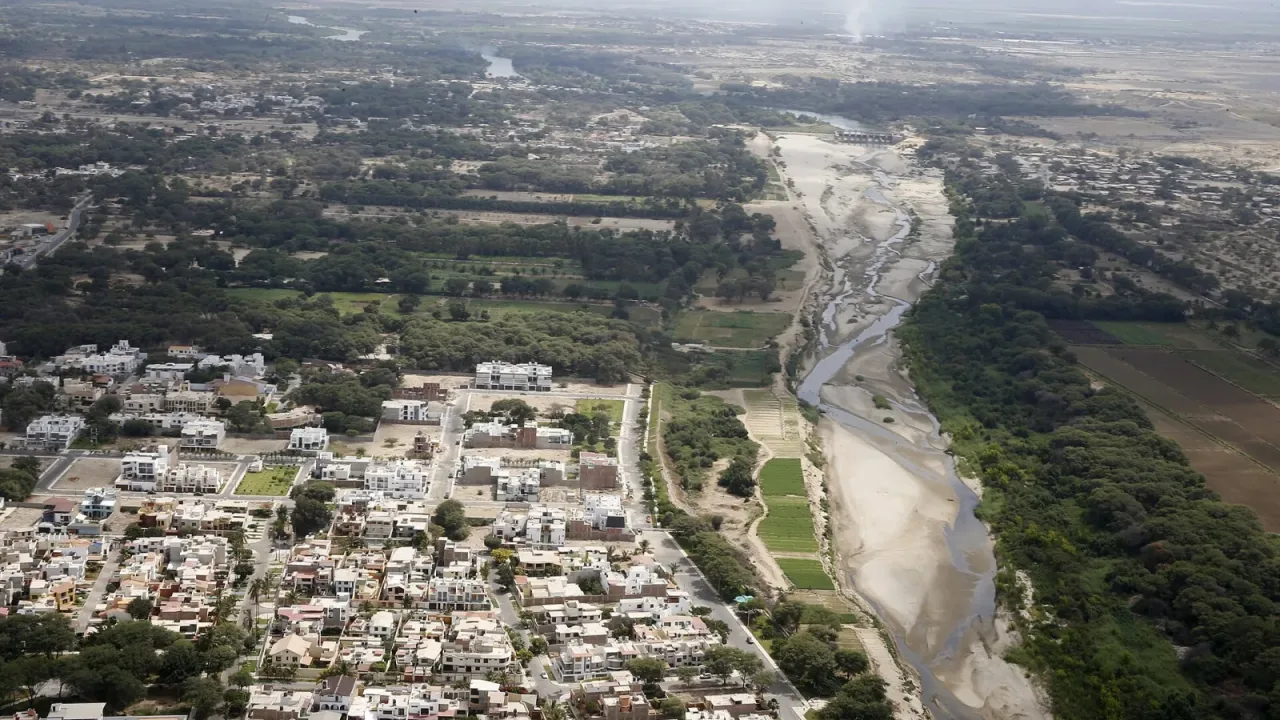
LIMA, Peru — Torrential downpours fueled by an exceptionally strong El Niño climate pattern flooded large swaths of northern Peru and coastal Ecuador on Saturday, causing widespread evacuations, severing vital highways and leaving thousands of families stranded.
Emergency personnel in Peru carried out dramatic water rescues as rivers burst their banks across the Pacific coast. In the northwestern city of Piura, weather stations registered a record 143 millimeters (5.6 inches) of rain in 24 hours, inundating municipal storm drains and covering city streets in waist-deep water.
According to Luis Vásquez, head of Peru’s National Civil Defense Institute, more than 2,000 families have been impacted in Piura alone. The deluge flooded the central Plaza de Armas and forced hospital staff to move respiratory patients into an auditorium, Al Jazeera reported.
Peruvian President Keiko Fujimori toured the submerged El Chilcal neighborhood of Piura by police boat on Saturday as stranded residents waited on rooftops. Fujimori told reporters that rescue crews had saved roughly 400 people from flooded homes, with about a dozen individuals still needing assistance, Al Jazeera English reported.
“In a single day, it has rained what Piura gets in a year,” Fujimori said during her tour, promising emergency cash distribution to impacted households, according to PBS News. The president postponed a planned trip to Colombia to handle the disaster, describing the weather event as a “mega Niño” and noting her government is coordinating emergency aid from both China and the United States.
Further north, the swollen Tumbes River rose to nearly double its official danger threshold, swallowing a portion of the Pan-American Highway — Peru’s primary north-south transportation corridor — and flooding hundreds of acres of crops alongside homes and schools, PBS News reported.
Deadly Mudslides and Election Disruptions in Ecuador
In neighboring Ecuador, intense downpours have killed at least 34 people since late August, the nation’s risk management agency reported. On Friday, two victims died when a landslide crushed their residences.
Rising waters in Ecuador’s northwestern province of Esmeraldas prompted police and firefighters to evacuate communities after two rivers breached their banks. Risk officials said floods and mudslides had damaged more than 50 road segments across Ecuador by Saturday morning, shutting down at least 10 major thoroughfares, including the highway connecting the capital city of Quito to the coast.
In the coastal city of Manta, residents waded through chest-deep floodwaters. “We’ve been soaking in mud for four days,” local resident Fernanda Navarrete told the AFP news agency, describing broken sewers and destroyed home appliances.
The severe weather has also upended political activity in Ecuador ahead of scheduled local elections on Sunday. Authorities had previously moved the election date forward from February to avoid the anticipated height of El Niño, but Ecuador’s National Electoral Council announced Friday that flooding forced the relocation of voting sites across five provinces, with additional sites at risk.
Widespread Economic Impact and Extended Warnings
El Niño is a naturally occurring climate phenomenon marked by unusually warm surface waters in the tropical Pacific Ocean, which alters global temperature and precipitation patterns. Scientists noted sea surface temperatures in the eastern equatorial Pacific reached about 5 degrees Celsius (9 degrees Fahrenheit) above historical averages, with forecasters predicting the current event could become the strongest on record.
Even in Peru’s capital of Lima, typically an arid environment, high heat and persistent drizzle have troubled residents. Temperatures in parts of Lima rose to 90 degrees Fahrenheit (32 degrees Celsius), nearly 18 degrees Fahrenheit above typical conditions, PBS News reported. Meanwhile, food prices have climbed as crop yields and fishing hauls shrink, driving annual inflation in Lima above 5 percent in October. Peru’s central bank projects the weather event will strip nearly a full percentage point from the nation’s economic growth this year.
Forecasters have extended a red weather alert for Peru’s northern regions of Piura and Tumbes through Monday. Meteorologists warn that El Niño is expected to maintain extraordinary intensity through February 2027, with risks of further flooding and landslides remaining elevated across the region.