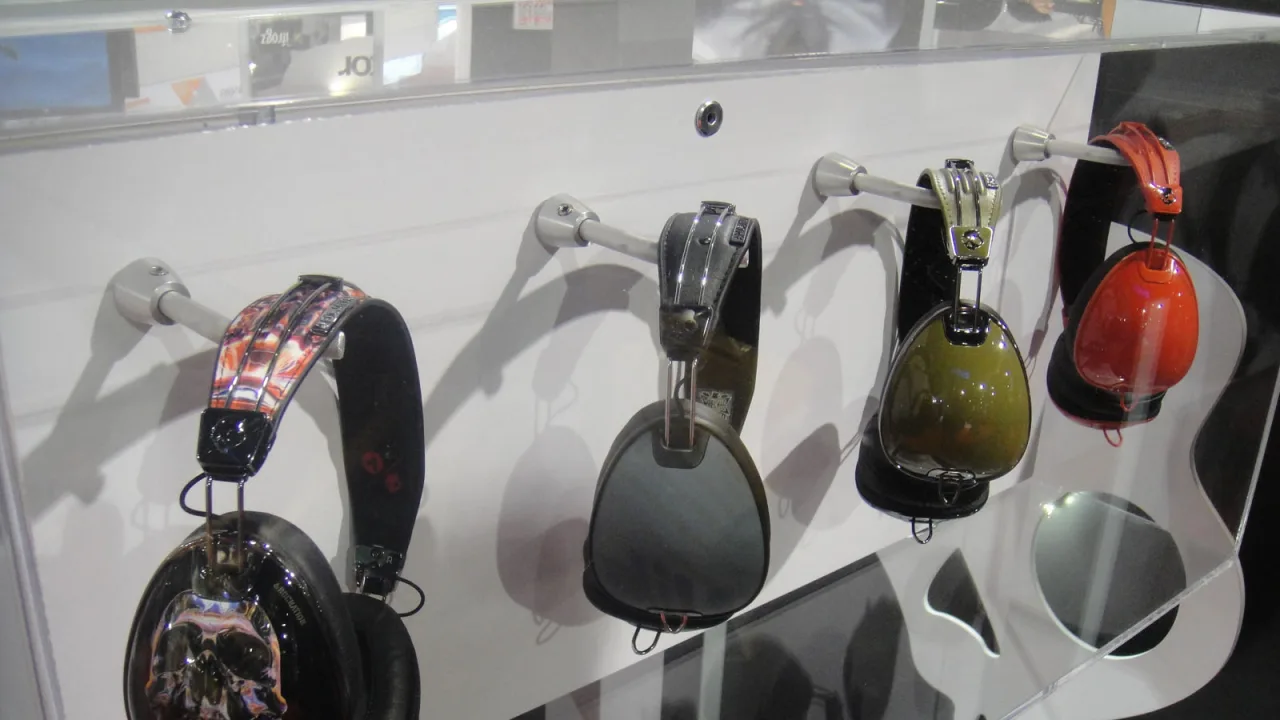
PARK CITY, Utah — Bose Corporation announced Wednesday that it has acquired lifestyle headphone competitor Skullcandy, cementing an existing technical partnership to expand its footprint among younger consumers and action-sports enthusiasts.
Financial details of the transaction were not disclosed. Under the agreement, Skullcandy will remain based in Park City, Utah, and operate as an independent brand housed within Bose’s premium consumer audio business, according to reports by Engadget and The Verge.
Targeting a younger demographic
Bose built its global reputation on high-end noise-canceling hardware that is popular with business travelers and frequent flyers. However, the company has sought avenues to appeal to broader audiences. Founded in 2003, Skullcandy established deep cultural ties in skateboarding, snowboarding, gaming and fitness, creating an audience profile where Bose historically lacked visibility.
“Skullcandy gives us access to a customer base that we think we’re largely missing with the Bose brand,” Bose Chief Executive Officer Lila Snyder told WIRED in an interview. Snyder noted that the acquisition aligns with Bose’s broader vision of expanding through diverse product categories and strategic brand holdings, pointing out that Skullcandy provides a strong foothold in the board sports world.
The purchase builds on an existing commercial relationship between the two audio makers. Under the “Sound by Bose” licensing agreement established in 2025, Skullcandy integrated Bose’s proprietary acoustic hardware, head-tracking spatial audio and active noise cancellation into products such as the Method 360 ANC earbuds and the Crusher 1080 ANC headphones, WIRED reported.
Skullcandy CEO Brian Garofalow welcomed the deal, noting that the partnership allows the brand to strengthen its engineering without abandoning its roots.
“Skullcandy was born on a chairlift in Park City, Utah, over 20 years ago, and we’ve always believed great music should be part of the experiences people love. Joining Bose gives us the opportunity to make those experiences even better,” Garofalow said in a statement.
Roots in Utah remain intact
According to local news outlet TownLift, Skullcandy will retain its local workforce of roughly 110 employees and its headquarters in Kimball Junction, Utah. Founder Rick Alden initially developed the company after encountering difficulty switching between phone calls and music while riding a ski lift in 2001, debuting Skullcandy’s first product at the Consumer Electronics Show two years later.
Kalin Stewart, Skullcandy’s director of integrated marketing, told TownLift that maintaining community relationships in Park City is central to the brand’s identity and will continue under the new ownership structure.
A growing portfolio of audio brands
The takeover is part of an ongoing expansion strategy by Bose. In 2024, the Massachusetts-based company purchased luxury audio holding firm McIntosh Group, which includes high-end brands McIntosh Laboratory and Sonus faber. Bose also expanded into software and production this year by acquiring StreamUnlimited Engineering and FMOD developer Firelight Technologies, alongside establishing its own content division, Bose Studios, and music label, Bose Records, The Verge reported.
Bose stated that it plans to grant Skullcandy access to its technical research, commercial scale and global distribution network while preserving the brand’s distinct aesthetic and entry-level price points. Neither firm indicated whether executive leadership changes or immediate product cancellations would follow the transaction.