WASHINGTON — Civil rights attorneys are asking a federal court in Washington to halt the Trump administration from using secretive grand jury subpoenas to identify anonymous social media users who criticize immigration policies online.
The class-action lawsuit was initially filed under seal before Chief Judge James Boasberg ordered it unsealed on Wednesday, with public court documents becoming available Friday. The lawsuit challenges a federal effort referred to in prosecutors’ filings as “Investigation 18,” according to the American Civil Liberties Union.
Targeting social media accounts
The litigation was brought on behalf of four pseudonymous social media users whose account details were requested from platforms including Meta, Bluesky and X, formerly known as Twitter. Plaintiffs argue that government demands for their personal information violate their First and Fourth Amendment rights.
According to court filings, the four plaintiffs include a Bluesky user who posted remarks following an immigration-related shooting in New York and a college student who published posts on X containing expletives aimed at federal agencies and President Donald Trump. They filed anonymously to safeguard their identity while seeking to represent other users affected by similar records demands.
“The government is weaponizing the grand jury process to retaliate against people for expressing their political views online,” ACLU staff attorney Laura Moraff said in a statement reported by Al Jazeera English. “The First Amendment guarantees our right to criticize the government, including anonymously, and no one should fear being investigated for disagreeing with the president.”
Shift to grand jury secrecy
The ACLU claims the administration moved toward using grand jury subpoenas after encountering pushback from tech companies and account holders over administrative subpoenas. Over the past year, the Department of Homeland Security issued hundreds of administrative subpoenas, which federal agents can grant without judicial approval, the organization noted.
Because grand jury proceedings operate under strict secrecy rules, lawyers argue it is significantly more difficult for targeted individuals to learn about or challenge information requests. While initial court documents identify 35 subpoenas linked to the probe, civil rights attorneys suspect the total number of requests is substantially higher.
“Using grand jury subpoenas to unmask and intimidate critics of ICE is an alarming abuse of power,” Laura Follansbee, an attorney with the ACLU of DC, said in a statement.
The complaint labels the investigation a bad-faith effort to gather intelligence and retaliate against dissenters. The lawsuit seeks a preliminary injunction to stop the Justice Department and the Department of Homeland Security from continuing the probe or compelling tech companies to surrender account records.
Defendants and court timeline
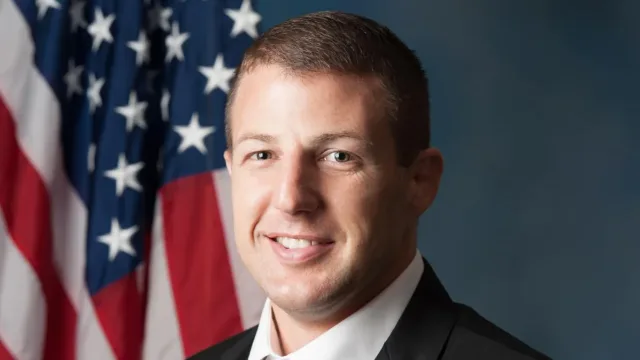
The suit names several top federal officials in their official capacities, including Attorney General Todd Blanche, Department of Homeland Security Secretary Markwayne Mullin and U.S. Attorney Jeanine Pirro. Spokespeople for DHS and Pirro’s office did not immediately respond to requests for comment, according to news reports.
Judge Boasberg has set a Jan. 6 hearing to hear arguments on the plaintiffs’ motion for a preliminary injunction. Federal prosecutors have until Dec. 14 to submit their written response to the court.