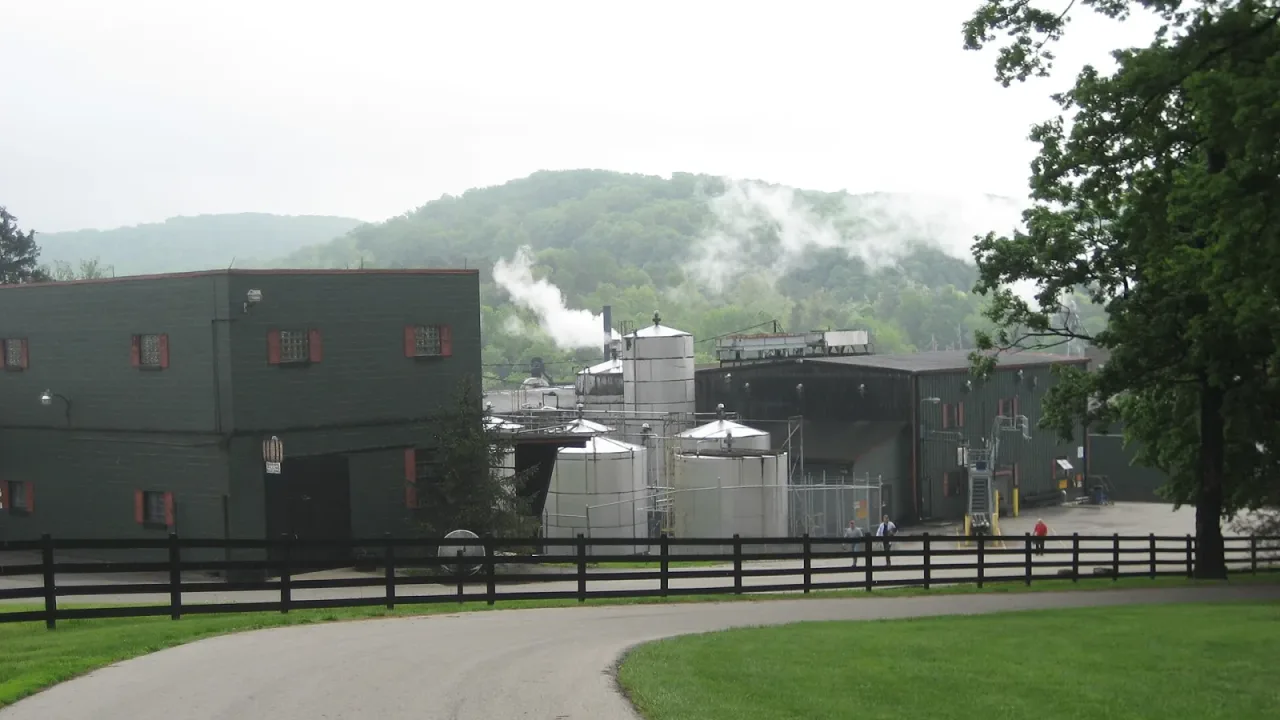
Jim Beam has indefinitely paused distillation at its flagship facility in Clermont, Kentucky, extending a temporary production shutdown as the bourbon industry faces falling demand and high inventory levels.
The brand’s parent company, Suntory Global Spirits, initially halted distilling at Clermont in December 2025 for a planned 12-month period, with intentions to resume in 2027, according to Food Dive. However, company representatives recently told The Courier Journal that it is now uncertain when distilling will restart at the facility.
Suntory stated that it manages Kentucky production based on inventory, market demand, and long-term needs. A spokesperson told Global Drinks Intel that the Clermont campus remains an essential part of its state operations, noting that infrastructure upgrades are moving forward to support long-term safety and operational reliability.
Consolidating Bourbon Distillation
While primary distilling at Clermont is on hold, Jim Beam has moved production to its Booker Noe Distillery in Boston, Kentucky. That facility is the brand’s largest distillery, with an annual output capacity of 45 million original proof gallons, Food Dive reported.
The halt does not close the Clermont location entirely. The campus remains open to the public for tours, tastings, and events. Additionally, the Fred B. Noe Craft Distillery on the Clermont campus will continue operations, producing specialty bourbon labels such as Knob Creek, Basil Hayden, Little Book, and Booker’s, according to Inc. and Global Drinks Intel.
Former Jim Beam worker Sid Mundkur told The Courier Journal, “If you don’t see the sales out there and you aren’t seeing the sales now, why are you gonna keep producing?” He noted that halting production is a way to hedge against uncertain future sales.
High Inventories and Shifting Alcohol Consumption
The prolonged pause highlights broader market struggles across the U.S. spirits industry. Following high demand during the pandemic, liquor sales have cooled, creating massive stock surpluses across Kentucky and the nation.
Data from alcohol analytics firm IWSR published in October showed U.S. whiskey inventories were three times higher than estimated annual demand. IWSR also reported that total beverage alcohol sales dropped for a third consecutive year in 2025.
Suntory Global Spirits Chief Executive Officer Greg Hughes previously told Global Drinks Intel that category growth rates after COVID-19 differed significantly from peak pandemic levels, leading to an imbalance between inventory and consumer demand.
Changing drinking habits have contributed to the decline. A Gallup survey released in August 2025 found that 54 percent of Americans report consuming alcohol, the lowest figure in 90 years of Gallup polling. Among respondents who drink, 38 percent preferred beer, while 30 percent chose liquor and 29 percent picked wine.
The inventory surplus is particularly noticeable in Kentucky, where member companies of the Kentucky Distillers’ Association held 16.1 million aging whiskey barrels as of October 2025, according to the organization.
IWSR Managing Director and President Marten Lodewijks noted that growth has narrowed to specific pricing categories, stating that sales increases are concentrating “at the premium end, while the mainstream and value tiers absorb the pain.”
Suntory stated that it plans to reassess its distilling needs at Clermont in the future, though no timeline was given for when production might restart.