Global oil prices jumped to their highest levels in five months on Friday, with international benchmark Brent crude briefly eclipsing $110 per barrel as shipping strikes in the Middle East and renewed combat over European energy facilities sparked fresh supply concerns.
Brent crude futures settled up $3.94, or 3.7 percent, at $109.86 a barrel, marking its highest settlement since May 19, according to Reuters. West Texas Intermediate, the U.S. standard, advanced 3.5 percent to close at $101.41 per barrel, moving above the $100 threshold for the first time since September.
Attacks on Tankers and Refineries Fuel Supply Anxiety
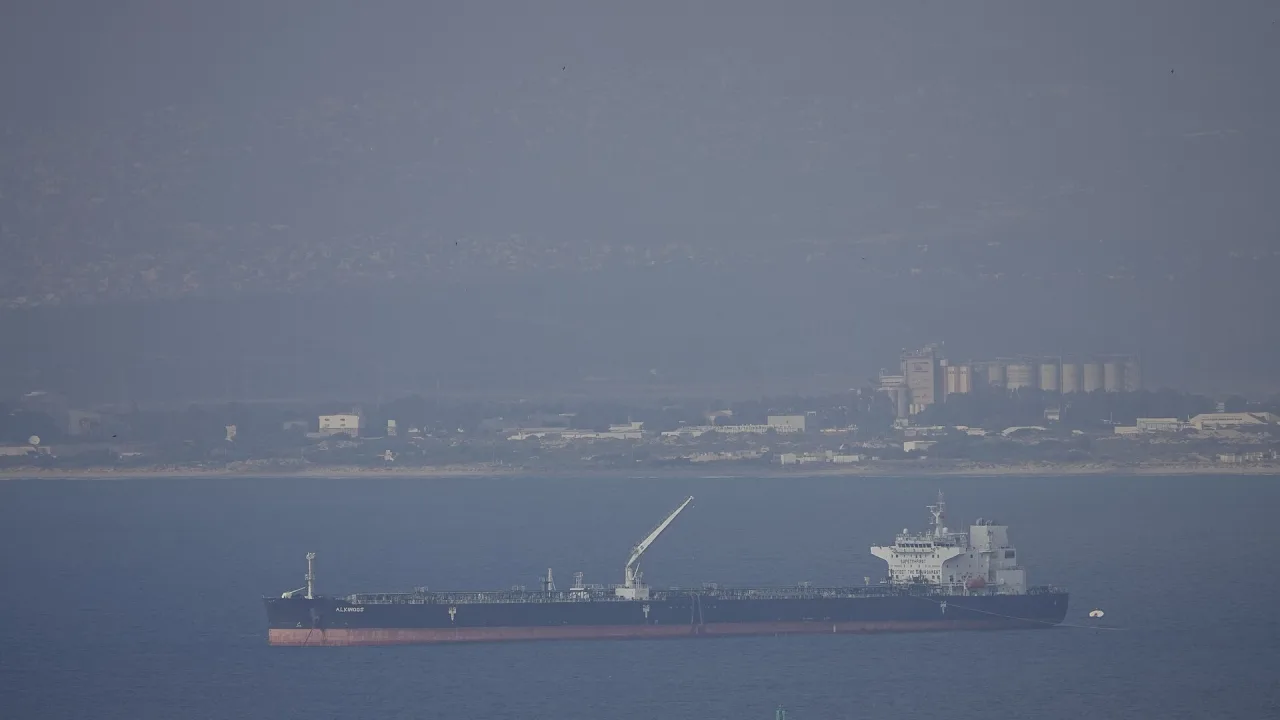
The price rally came amid worsening security conditions along crucial global maritime corridors. In the Strait of Hormuz, at least nine commercial vessels have faced strikes since Sunday, CNBC reported. The Singapore-flagged container vessel GFS Pride sank on Wednesday following an Iranian attack, U.S. Central Command confirmed, though its crew was evacuated safely. The International Maritime Organization reported that separate maritime incidents in the corridor left three crew members injured and two missing this week.
Vessel flows through the chokepoint fell to 9.4 million barrels per day for the week ending Wednesday, roughly 30 percent below prewar averages, according to energy research firm Kpler. Iran has stated that its actions in the strait are retaliation for stricter sanctions and an American naval blockade on its ports.
Simultaneously, a proposed energy truce between Russia and Ukraine collapsed. Ukrainian President Volodymyr Zelenskyy announced that Kyiv would resume drone attacks on Russian fuel processing facilities after Russian forces continued to target Ukrainian domestic infrastructure. Two industry sources told Reuters that the Ryazan oil refinery in western Russia was forced to idle a primary distillation unit following an aerial assault on Thursday.
Domestic Stockpile Depletion and Inflation Pressures
In the United States, crude availability tightened substantially after Hurricane Isaias disrupted production along the Gulf Coast. Commercial crude inventories plunged by 8.6 million barrels during the week ending Oct. 9, the Energy Information Administration reported, defying market expectations for a negligible draw.
The combination of crude supply shocks and refinery disruptions has hit diesel markets especially hard. AAA data showed average U.S. retail diesel prices stood at $6.33 a gallon on Friday, up over 70 percent from the same period last year. Surging fuel costs have intensified inflation concerns just weeks ahead of the Nov. 3 midterm elections, complicating efforts by President Donald Trump to lower transportation costs through an unverified fuel arrangement with Russia.
Surging crude also battered Wall Street. The technology-heavy Nasdaq 100 slumped 2.5 percent, shedding more than $1 trillion in market value on Friday as traders worried higher energy prices could force the Federal Reserve to implement additional interest rate hikes this year, NBC News reported.
What Comes Next
While the International Energy Agency agreed Thursday to speed up emergency releases of more than 20 million barrels of diesel, traders remain skeptical that the measure will significantly alleviate diesel deficits without a reduction in geopolitical friction. Whether crude prices stabilize will largely depend on shipping safety through Hormuz and whether international diplomatic efforts can protect critical energy infrastructure heading into the winter.