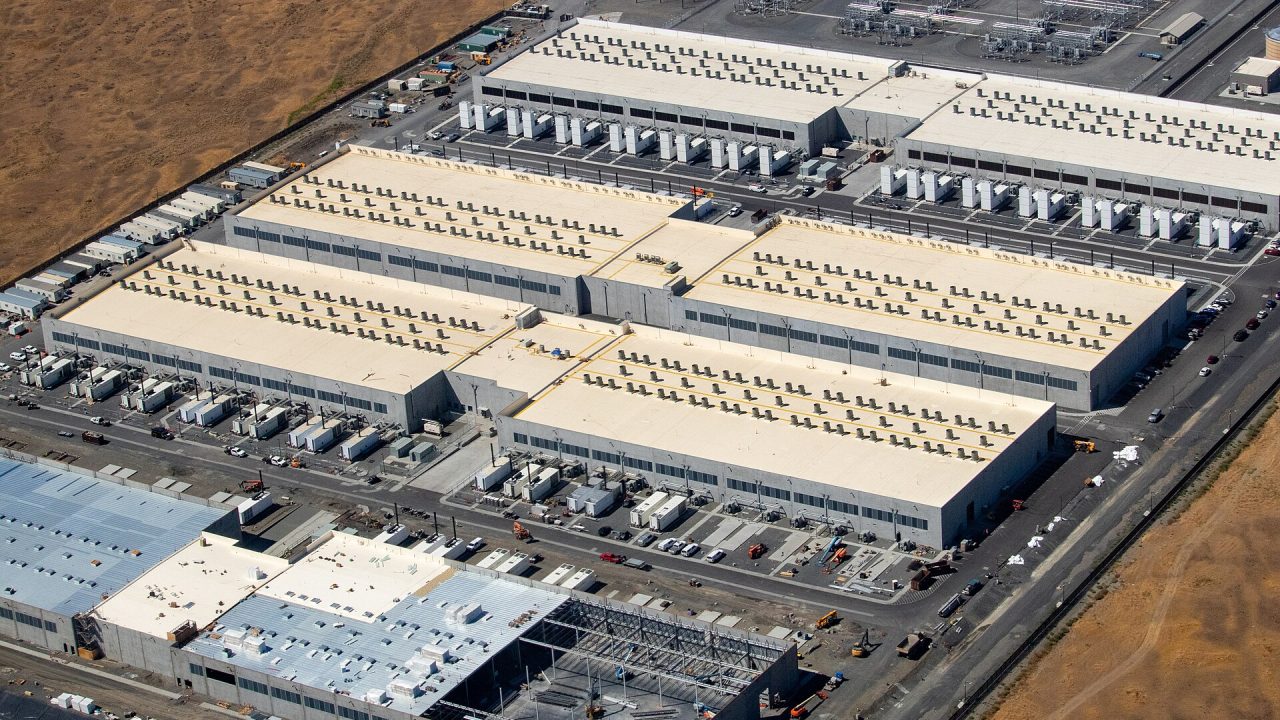
Amazon on Friday pledged more than $1 billion for U.S. communities that host its data centers, money it plans to spend over five years as it tries to ease local opposition to the sprawling facilities that power artificial intelligence.
The program, called Built Together, was unveiled by Amazon Web Services CEO Matt Garman in a lengthy post on the company’s website. Garman compared the data center boom to the building of the interstate highway system, calling it the largest infrastructure buildout since the highways, and warned that local resistance could cost the United States its lead in AI. GeekWire reported that the pledge adds to more than $1 billion Amazon says it has contributed to such communities over the last three years.
“There is urgency to this data center buildout because we aren’t the only country that sees the benefits of AI for the economy and national security,” Garman wrote.
What Amazon is promising
According to Amazon, Built Together has three parts. The first pays for free community college and hands-on job training in fields such as electrical work, heating and cooling, fiber optics, information technology, health care, education, public safety and manufacturing. The company estimates that the program will connect more than 300,000 students to free degrees over five years.
The second offers grants for energy-efficiency upgrades at schools, public buildings and homes in counties where Amazon has data centers. The company said it aims to upgrade over 300 schools and other community buildings, along with over 30,000 homes, during that period, with the goal of cutting monthly energy bills by 20% to 40%. The third provides flexible funding for projects that communities pick, such as roads, parks, fire equipment and affordable housing.
Amazon also published what it calls the Amazon Data Center Commitment, a list of operating promises. The company said it no longer uses nondisclosure agreements with government agencies, will require new backup generators to meet the Environmental Protection Agency’s Tier 4 emissions standards, will release its energy and water use every year and will work with utilities so that the rates it pays cover the cost of grid upgrades. The change on nondisclosure agreements applies to future projects, not past ones, GeekWire reported.
A growing backlash
Garman wrote that more than 100 data center moratoriums are being considered around the country. Data Center Watch, a group that tracks opposition to the projects, says lawmakers in 30 states have proposed or passed bills or otherwise acted on concerns about the facilities, CBS News reported. Local opposition disrupted at least 45 proposed developments worth a combined $68 billion in 27 states in the second quarter of this year, according to the group.
Polls show rising skepticism. In a Pew Research Center survey released in September, 54% of Americans rated data centers as mostly bad for the environment, compared with 39% in January, Newsweek reported. A Gallup survey in May found that 7 in 10 Americans opposed building AI data centers in their area, according to Newsweek.
Garman suggested that foreign countries may be deliberately spreading misinformation about data centers to slow the United States down, according to CBS News. PolitiFact concluded last month that foreign influence on the opposition has been exaggerated, GeekWire noted. Amazon labeled several common criticisms as myths, including claims that the facilities drive up power rates, use vast amounts of water and pollute nearby areas. The company said its average data center uses under 13,000 gallons of water a day.
The fight has also reached the campaign trail. At a rally in Vandalia, Ohio, on Saturday, President Donald Trump defended data centers. “You can’t just turn them off. They’ll go to China,” he said, according to The Associated Press. The facilities have drawn opposition from both parties in races nationwide, with voters worried about their impact on power bills, farmland and water supplies, the AP reported.
What’s next
Amazon said it plans to launch the community college program and the energy grants in the coming months, and that communities will decide how the flexible funding is spent. The company has also promised to release yearly figures on its energy and water use.