Irish novelist Sally Rooney said Wednesday that her books will no longer be supplied in the U.K. owing to her public backing for Palestine Action, a direct-action group that the U.K. outlawed as a terrorist organization in July 2025. Her U.K. and Ireland publisher, Faber, said it will no longer provide her titles to U.K. customers in any format. Rooney said the decision was made with her full agreement.
Faber said the step follows from U.K. legislation that has left it unable to pass British earnings to Rooney for her work. It called that situation “unconscionable” for a publisher. In a statement provided to the Guardian, Rooney said that fulfilling contracts to publish her work in the U.K. could now amount to a serious criminal offense. She added that she had been open about her beliefs and was prepared to accept the consequences.
What happens to books already on shelves
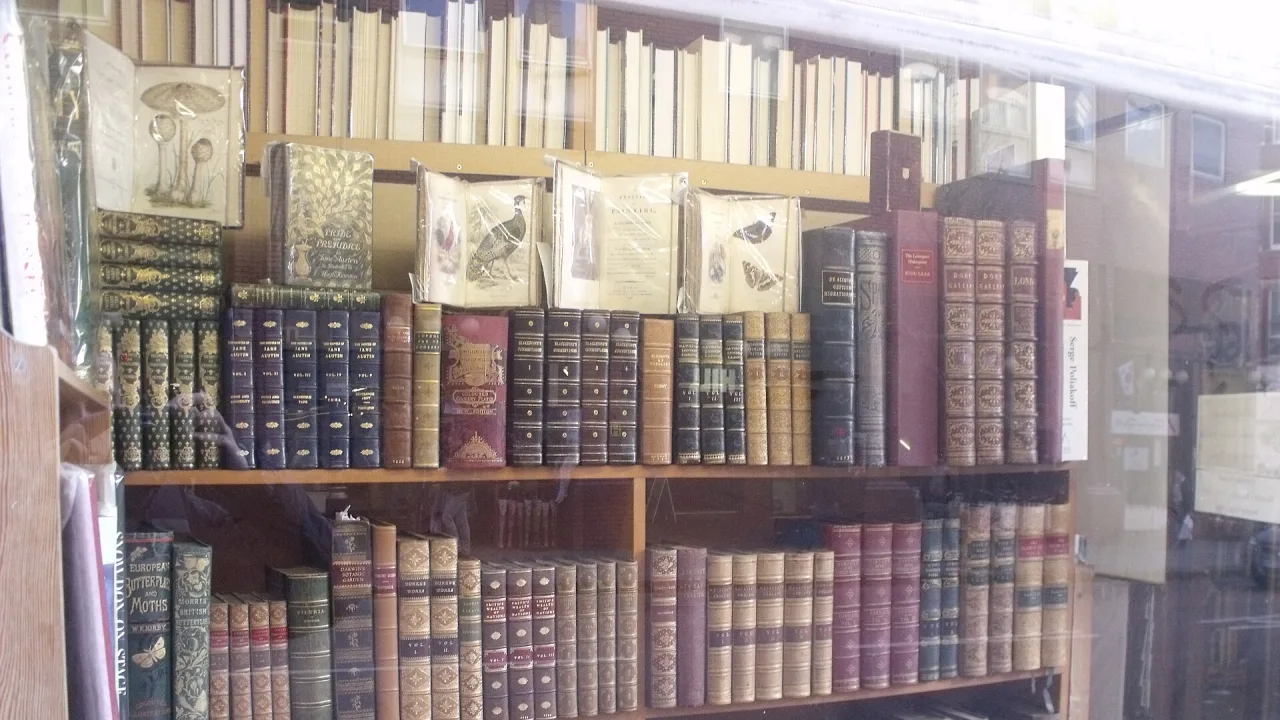
Faber told RTÉ that stock in shops will stay on sale. The Guardian reported that Rooney’s titles were still on sale in central London that day. Waterstones said copies it holds could still be sold. A bookseller at London Review Bookshop said he had placed more orders after the news, but expected that copies would be hard to obtain through Faber.
Ban, arrests and the legal challenge
Palestine Action was outlawed under the Terrorism Act after activists forced their way into a Royal Air Force site in June 2025, an action aimed at British arms backing for Israel’s campaign in Gaza. Under the law, membership or support can carry a prison sentence of as long as 14 years.
Reports differ on the scale of enforcement. ABC News reported that more than 3,000 people had been arrested since the ban, while the Guardian said more than 3,700 were believed to have been arrested. ABC News reported more than 1,200 people had been charged under the Terrorism Act, and the Guardian put the figure at about 2,500. Neither outlet reported a conviction.
Lawyers for the group will ask the U.K. Supreme Court to overturn the ban, and RTÉ reported that the appeal is set for Nov. 4 and 5. The High Court ruled in February that the ban was unlawful and disproportionate, but the Court of Appeal overturned that decision in June and found the ban lawful. All cases involving people charged under the ban are on hold until the Supreme Court rules, ABC News reported.
Huda Ammori, who helped found Palestine Action and filed the court challenge, said Rooney being unable to publish in the U.K. marked “a new low” in what she called an escalating assault on free speech. Kerry Moscogiuri, chief executive of Amnesty International U.K., said laws meant to combat terrorism should not end up silencing “artistic freedom.”
Rooney’s public stance and career
Rooney, 35, is the author of four novels, including Normal People and Conversations with Friends, which the BBC adapted for television. Her novels have sold in the millions, and Normal People has sold more than one million copies in the U.K., the Guardian reported. In an August 2025 opinion piece for The Irish Times, she wrote, “I too support Palestine Action,” and said she would keep using proceeds from her books and TV fees to back the group. Earlier, she pulled out of a visit to Britain to receive a prize, citing fear of arrest.
It is not yet clear whether Rooney’s future books will be published in the U.K. She warned in a High Court statement that new works could be prevented from appearing there. The Supreme Court hearing in early November will determine whether the ban stands, and its outcome could shape whether Faber resumes supplying her titles in the U.K.