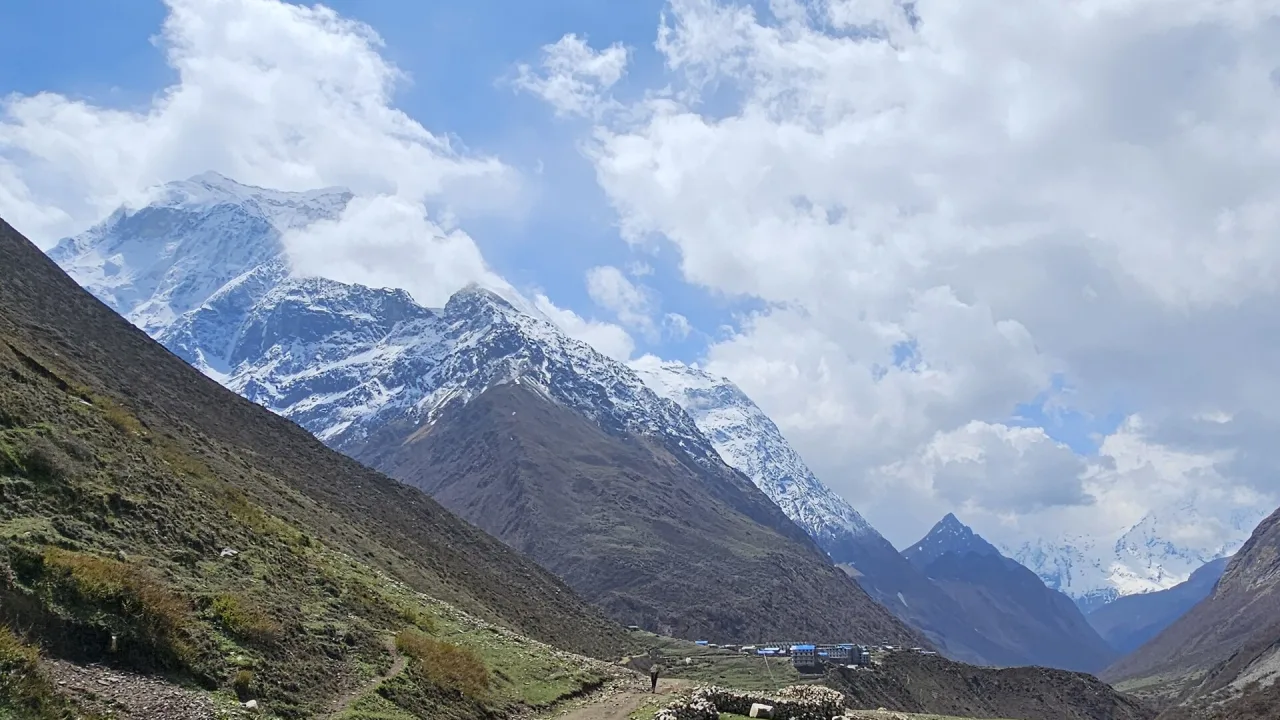
KATHMANDU, Nepal — Military search and rescue crews in Nepal deployed helicopters on Monday to reach remote Himalayan settlements after a flash flood swept along the Budhi Gandaki River, leaving five people missing and washing away bridges, houses and infrastructure, authorities said.
The surge occurred after a landslide temporarily dammed the river near the village of Chumchure in the Chumnubri rural municipality of Gorkha district, roughly 62 miles west of the capital, Kathmandu. When the debris gave way, a torrent of mud and water rushed downstream through rugged mountain terrain.
Bridges destroyed and dozens rescued
Nepal’s National Disaster Risk Reduction and Management Authority reported that five people — two women and three men — were unaccounted for following the deluge. No deaths have been confirmed, officials said.
Evacuation tallies varied slightly among officials on Monday. The disaster agency reported that at least 82 people, including nine foreign trekkers, had been airlifted or moved to safety, while ABC News reported agency tallies showing 95 people transported to neighboring towns. Prime Minister Balendra Shah wrote on social media that more than 80 people had been pulled from dangerous waters, including six individuals rescued from the landslide-prone village of Jagat.
The flood struck during peak trekking season in October, when thousands of hikers travel mountain paths along the river valley. In addition to flattening dozens of homes and farmland, the water destroyed multiple spans, including a key highway bridge linking Gorkha with neighboring Dhading district and two suspension footbridges, disaster officials said. The surge also damaged three hydroelectric construction camps, carrying away heavy equipment.
Warning systems face scrutiny
Government officials initially stated that early warning messages allowed most riverside residents to reach higher ground safely. Disaster managers issued flood advisories for downstream communities across Gorkha, Tanahun, Chitwan, East Nawalparasi and West Nawalparasi districts, directing local officials to move residents away from riverbanks.
However, local survivors told The Kathmandu Post that official text warnings arrived hours after the water had already crested, the BBC reported. Suna Gurung, a resident in the flood zone, told the newspaper that neighbors telephoned warnings before 5 a.m. on Sunday, allowing families to flee into nearby forests about an hour before government SMS warnings reached mobile phones.
Authorities acknowledged delays in broadcasting automated alerts, with messages reaching upper mountain villages about two hours after the flood began and lower valleys nearly five hours later, according to the BBC report.
Repeated disasters strain recovery
Army helicopters ferried emergency food, tents and medical supplies to isolated hamlets on Monday, while ground convoys delivered aid to areas accessible by road. The Budhi Gandaki flows into the Trishuli River, a major waterway flowing southwest toward the central plains.
The disaster follows an extraordinarily deadly season in the Himalayas. In late August, an avalanche caused by a collapsing glacier triggered massive flooding along the Nepal-China border, killing at least 1,400 people, with thousands still missing. That search operation was officially closed on Oct. 5 so government resources could pivot toward rebuilding damaged infrastructure. Heavy monsoon downpours in late September also caused landslides that killed at least 21 people, according to the disaster management agency.
Emergency officials said military and police personnel will continue helicopter patrols and ground searches along the Budhi Gandaki basin as assessments continue on damaged villages and stranded hiking parties.