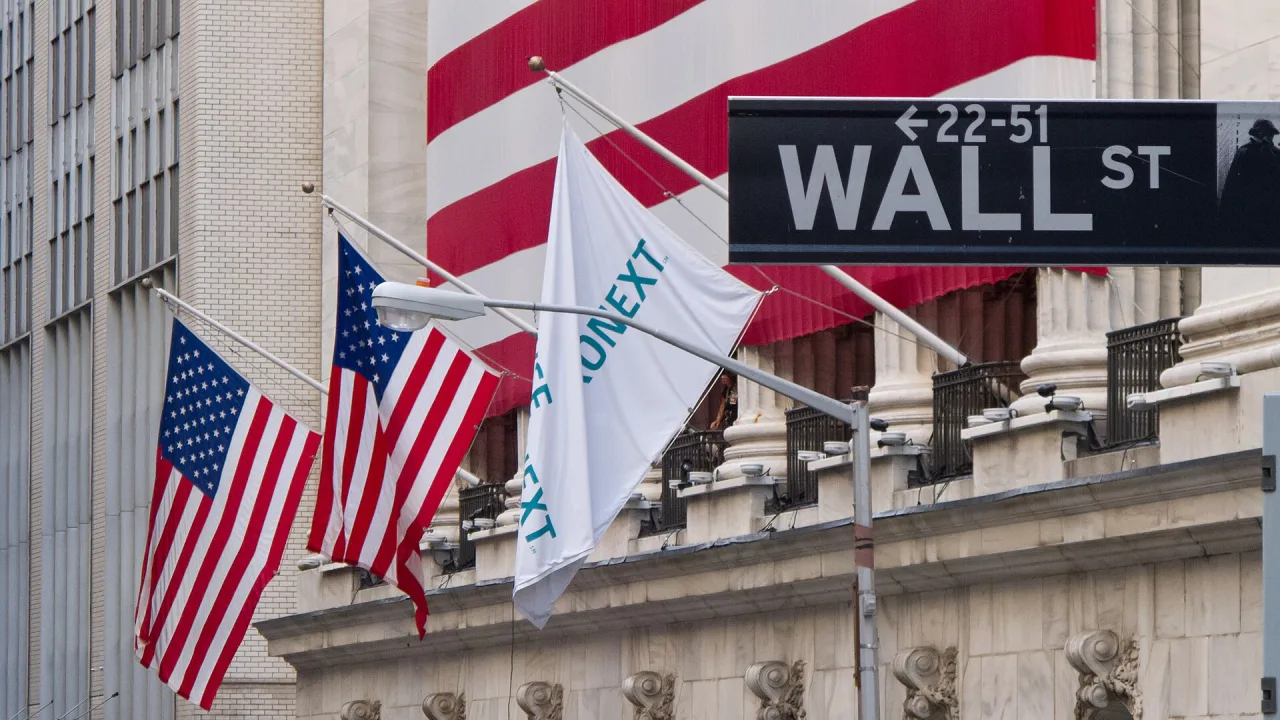
NEW YORK — U.S. stock index futures showed signs of recovery heading into a pivotal corporate reporting week, as the nation’s largest financial institutions prepared to open third-quarter earnings season against a backdrop of escalating interest rates.
Equity futures moved higher following a volatile stretch for technology shares, with contracts tied to the S&P 500 rising 0.37 percent on Friday, according to GuruFocus. Nasdaq futures advanced 0.86 percent, while Dow Jones Industrial Average futures ticked up 0.09 percent, supported by defensive gains in healthcare and anticipation surrounding incoming consumer sentiment data.
Big lenders face a shifting rate environment
The major focus on Wall Street shifts directly to the financial sector on Tuesday, when JPMorgan Chase, Goldman Sachs, and Citigroup are scheduled to release quarterly results. Bank of America and Morgan Stanley follow on Wednesday, according to Yahoo Finance, setting off an earnings cycle that investors will parse for signs of economic strain.
The reports arrive after the country’s biggest lenders completed one of their most lucrative first-half periods in more than a decade, Yahoo Finance reported. However, an abrupt surge in long-term borrowing costs has raised questions about whether that early-year momentum can endure. Analyst projections compiled by Bloomberg indicate profits across the five major banks are likely to slide compared to the second quarter as trading revenue and deal underwriting moderate.
Most of the institutions are still expected to post higher earnings compared to the third quarter of last year, with Bank of America and Morgan Stanley projected as the likely exceptions, according to Yahoo Finance.
Market caution and valuation concerns
Investor sentiment toward financial institutions has deteriorated as bond yields climbed. Collectively, the top five banks shed roughly $270 billion in total market value between their summer peaks and Friday’s market close, Yahoo Finance reported. That decline occurred even as the broader S&P 500 index retained a year-to-date advance of approximately 14 percent.
In a note cited by Yahoo Finance, UBS analyst Erika Najarian attributed much of the sector’s recent lagging performance to the steep escalation in long-term interest rates. Market sentiment has cooled noticeably; a survey conducted by Truist Securities earlier this month revealed that only 35 percent of institutional money managers anticipated bank equities would beat the wider market, down sharply from 68 percent in July and 82 percent in December.
While elevated rates can bolster immediate net interest margins on loans, they also elevate borrowing and deposit costs, erode the value of held bonds, and deter corporate dealmaking. Strategists at Macquarie highlighted that previous sharp shifts in long-term debt yields have historically preceded prominent financial market disruptions, Yahoo Finance reported.
Broader market and global pressures
Beyond the financial sphere, stock movements on Friday reflected selective positioning. Shares of health insurer Humana climbed 12.88 percent, GuruFocus reported, serving as a defensive counterweight to turbulence in growth sectors. Humana, which holds a market capitalization of $46.49 billion and focuses heavily on Medicare Advantage coverage, closed at $387.12.
The ripple effects of rising borrowing costs extend beyond domestic equities. Speaking at the International Monetary Fund and World Bank meetings in Bangkok, Thai Finance Minister Ekniti Nitithanprapas told CNBC that sovereign governments are also closely monitoring elevated global bond yields as they navigate debt ceilings and fiscal targets.
What remains to be seen is how bank executives assess client credit quality and loan demand going into the final stretch of the year. Investors will watch executive commentary later in the week, including remarks from regional institutions such as Citizens Financial Group, to gauge whether economic risks are beginning to materialize on corporate balance sheets.