As Americans sit down for Thanksgiving dinner following a midterm election cycle that reshaped the nation’s political landscape, nearly a quarter of holiday hosts intend to ban political discussions at the table before any food is served, according to a recent survey.
The poll, conducted by Talker Research, found that 23 percent of respondents who plan to celebrate the holidays with extended family or friends intend to establish a strict “no politics at the table” rule. The impulse to keep dining rooms calm extends beyond hosts: 65 percent of survey participants said they plan to actively avoid political conversations this year, while 58 percent reported being more likely to sidestep political topics than in previous holiday seasons.
Generational divides and deflection tactics
The desire to dodge political debate varies sharply by age. More than eight in 10 Gen Z respondents reported wanting to avoid political talk completely at Thanksgiving dinner. By comparison, 43 percent of baby boomers expressed a desire to skip political discussions.
To prepare for potential friction, 20 percent of gatherers reported avoiding the news and staying off their smartphones prior to attending family events, StudyFinds reported from the survey results.
When political topics do arise, Americans reported having several fallback strategies prepared:
- Thirty-eight percent plan to change the subject immediately.
- Twenty percent plan to leave the room entirely.
- Eighteen percent plan to steer clear of specific relatives during the holiday season.
- Eleven percent intend to skip at least one family gathering altogether.
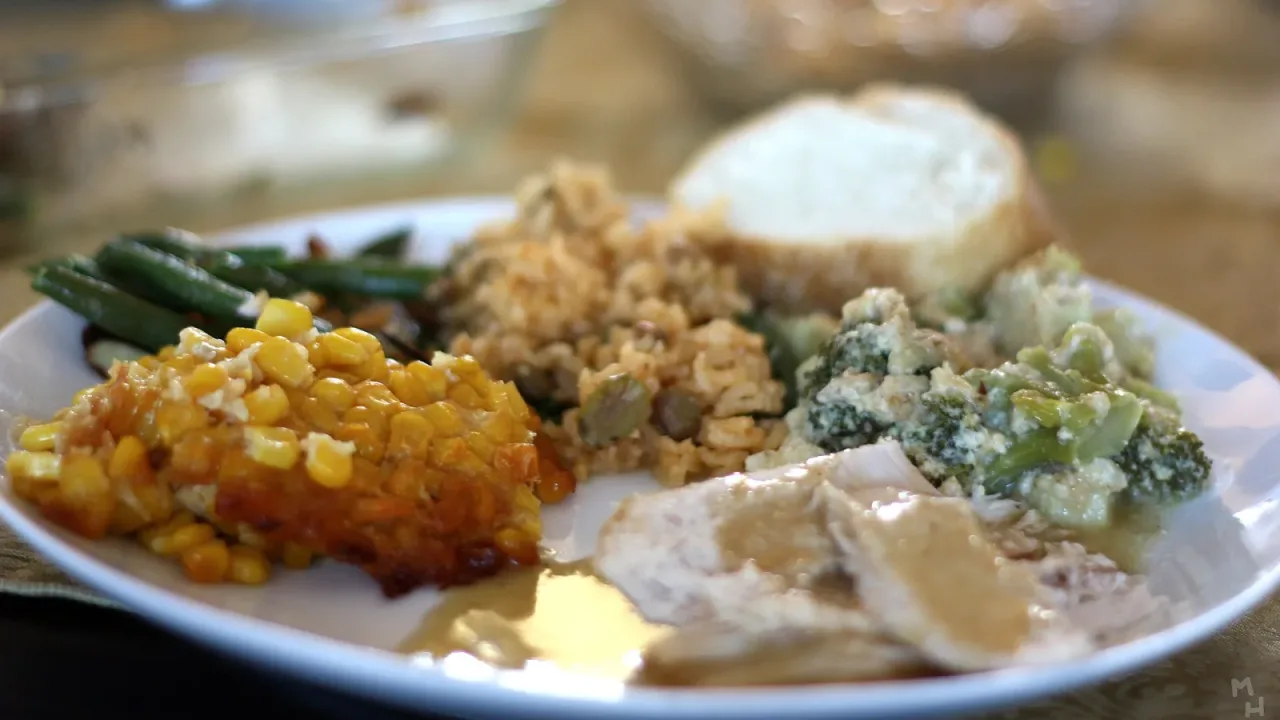
When redirecting conversation away from politics, the most popular alternative topic was the quality of the food, selected by 40 percent of respondents. Other favored subjects included television and movies at 39 percent, sports at 29 percent, the weather at 28 percent, and upcoming travel plans at 24 percent.
Communication experts urge empathy and pre-set rules
For families who do find themselves embroiled in sensitive debates, experts suggest focusing on communication techniques rather than trying to win arguments. Dr. Joel Davis Brown, a leadership expert and author, told Fox News Digital that swapping certain words can prevent discussions from becoming hostile.
Brown recommended replacing the word “but” with “yes, and” during tense exchanges. He noted that using “but” signals immediate disagreement and stifles open dialogue, whereas “yes, and” acknowledges that another person has been heard while still leaving room for a differing viewpoint.
“If you’re going into these exchanges as looking to win an argument, maybe change your approach,” Brown told Fox News Digital. “Maybe instead of trying to win that argument, you try to understand the other person’s perspective.”
Brown also advised asking relatives to “tell me more about that” to understand their underlying experiences, rather than leading with statements like “I disagree,” which can instantly put people on the defensive. For host duties or personal topics, he suggested discussing expectations before gatherings begin, while encouraging individuals to step away, take a breath, or sip water if conversations become too stressful.
The Talker Research survey was administered online between Nov. 5 and Nov. 9, 2026, among 2,000 adults using an unweighted, non-probability sample frame, StudyFinds reported. Because the survey relied on opt-in panel participants and did not apply statistical weighting, the organization noted the results reflect the views of the individuals surveyed rather than a representative national sample. It remains to be seen whether holiday hosts and guests will successfully maintain their rules as family gatherings continue through the end of the year.