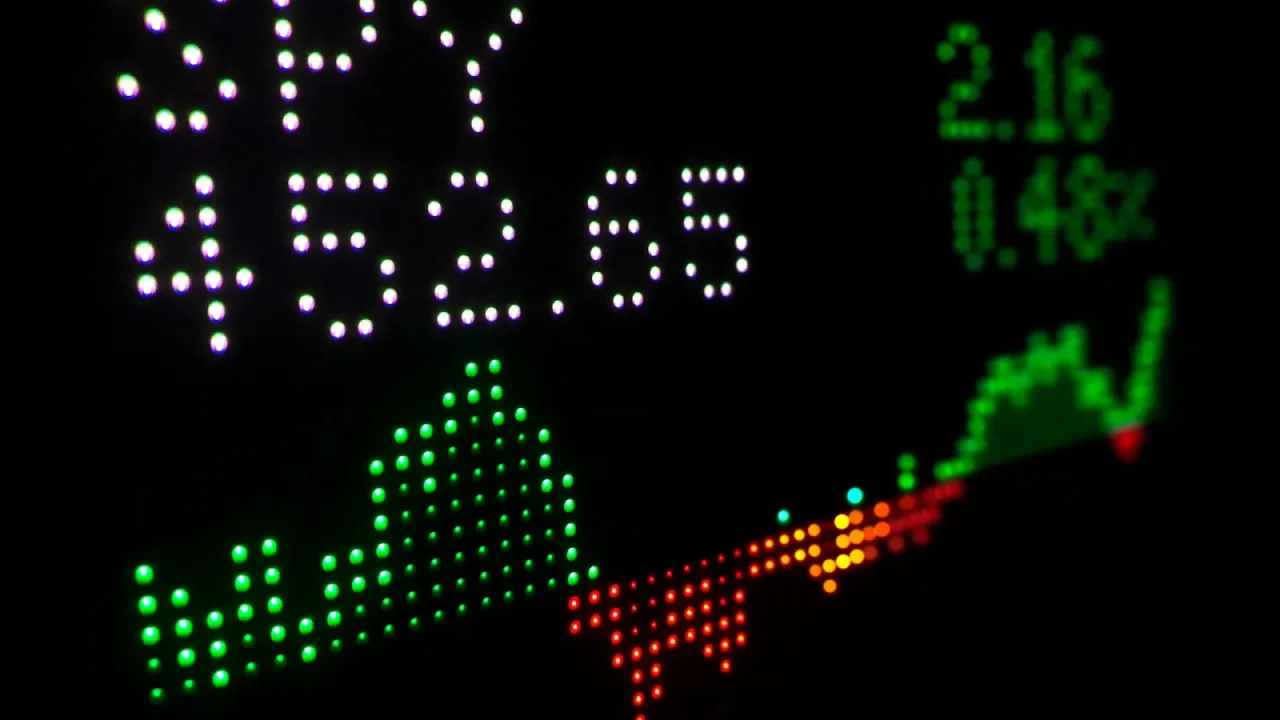
Major financial benchmark indexes across the U.S. endured a sharp sell-off following the recent midterm elections, prompting heightened concern among retail and institutional investors. The slide pushed both the S&P 500 and Dow Jones stock markets close to entering correction territory, while the Nasdaq Composite Index moved nearer to a formal bear market, Yahoo Finance reported. The drop capped off a turbulent stretch that included the worst weekly performance for equities in 19 months, according to analysis by The Motley Fool.
Data from Dow Jones Market Data, cited by Barron’s, revealed that all three primary U.S. stock market indexes recorded their largest single-week point drops on record. The sudden drop sparked widespread discussion among retail traders online regarding a potential market crash ahead of the coming trading week. However, Wall Street analysts generally maintained a more optimistic outlook, noting that underlying market fundamentals and cash flow indicators suggest ingredients for an eventual recovery are developing.
Election Volatility and Index Concentration
Market turbulence flared dramatically in the wake of the U.S. midterm elections, producing erratic price swings. In the two trading days following Election Day, the Dow Jones Industrial Average registered both its highest and lowest single-day trading sessions since April 2025, The Motley Fool reported. Overall, the index dropped 2.7 percent for the week. The broader S&P 500 fell nearly 7 percent below its previous record peak, illustrating how rapidly sentiment shifted across Wall Street.
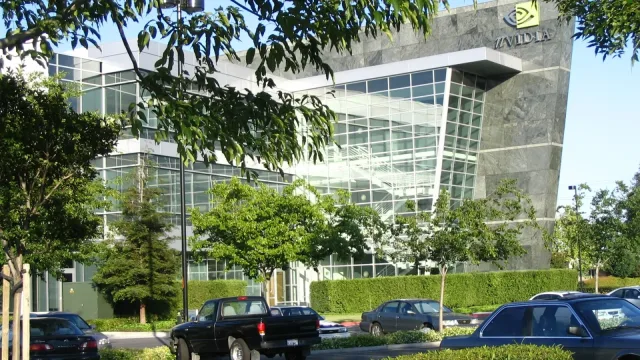
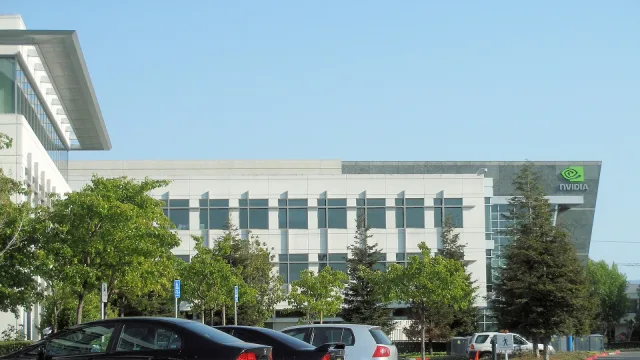
Heavy weightings of individual technology giants have exacerbated broader index movements. Semiconductor designer Nvidia, which previously represented about 8 percent of the S&P 500 and currently accounts for 5.4 percent, has seen increased selling pressure following the departure of chief executive Jensen Huang, according to Yahoo Finance. While operational leadership has transitioned toward executive Colette Kress, uncertainty regarding national security considerations and corporate restructuring has weighed heavily on market confidence due to Nvidia’s extensive network of suppliers, competitors, and partner firms.
Navigating Pullbacks and Economic Indicators
Financial analysts noted that short-term drawdowns of 5 percent to 10 percent in the S&P 500 are relatively routine equity market occurrences, even if their speed creates anxiety for short-term traders. According to market commentary from The Motley Fool, attempting to time these rapid market pullbacks often forces investors to lock in paper losses right before swift rebounds occur. History indicates that long-term index performance has historically overcome periodic drawdowns, despite heightened volatility fueled by high-frequency algorithmic trading and accessible mobile brokerage platforms.
As trading resumes for the short holiday week, investors are preparing for key economic reports and corporate earnings releases. Wall Street is watching for the upcoming personal consumption expenditures index, a critical gauge of inflation tracked closely by federal policy officials, Barron’s reported. Additionally, quarterly financial results from prominent companies, including Agilent, Hewlett, and Dick’s, are scheduled for release during Thanksgiving week, which could offer further insight into consumer trends and corporate health.